US Navy develops new defenses to protect submarines from drones

Submarines, once considered 'invulnerable' in the ocean depths, could become easy targets for unmanned systems, mines, and even anti-tank missiles.
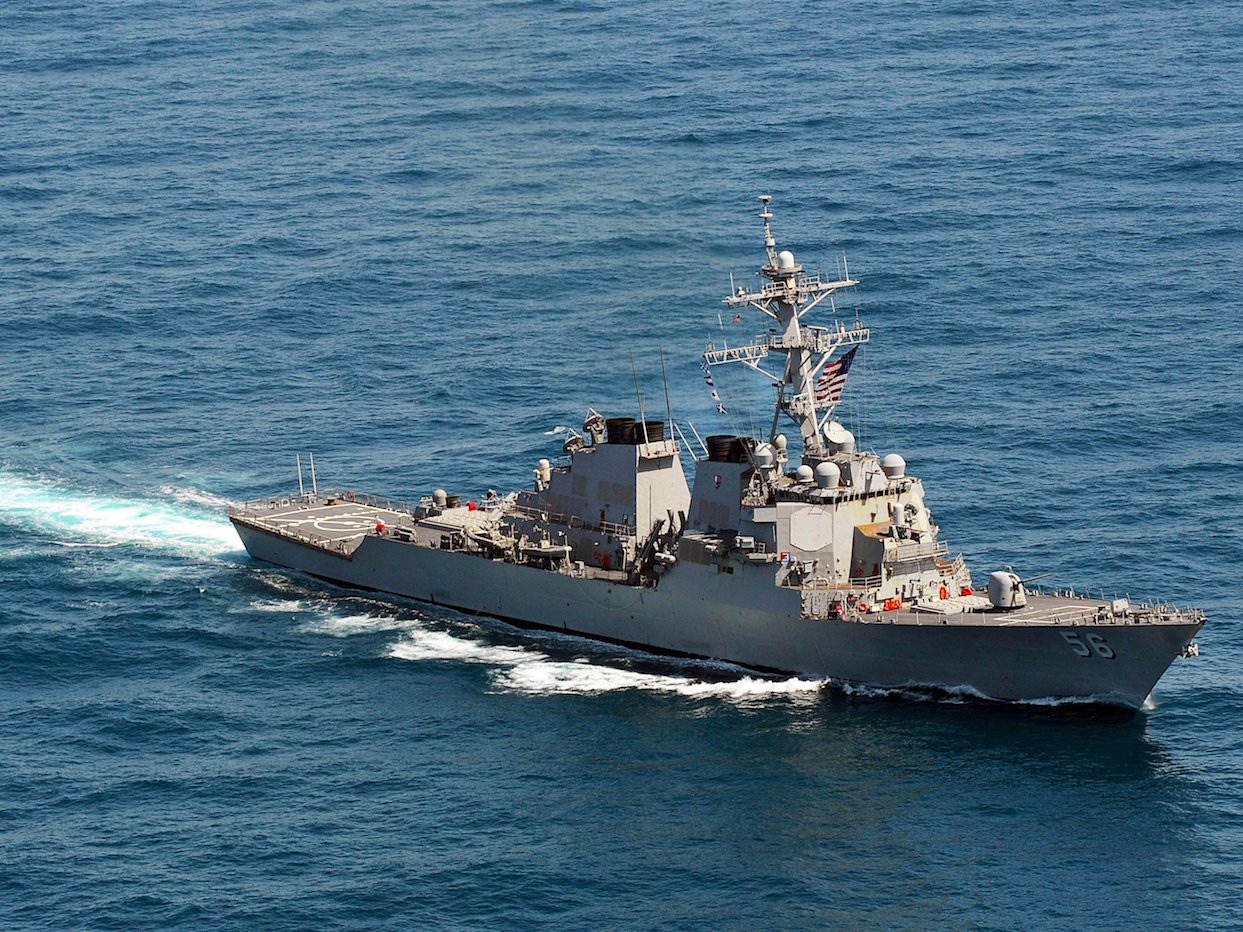
Ukraine's successful use of an unmanned submarine to damage a Russian submarine at the port of Novorossiysk on the Black Sea last year raised fears that submarines could be struck by inexpensive systems that could cause significant damage, prompting the US Navy to seek better ways to protect its missile submarines as well as the shore facilities that support them, according to Defense News.
These defenses include 'typical technologies for detecting, tracking, identifying, preventing, and neutralizing unmanned systems across all domains.'
Protecting submarines from drones
The US Navy is seeking scalable solutions for shore facilities, naval operations in ports, harbors, coastal areas, and waterways (PHLW) and open ocean environments.
The US Navy is also looking for ways to escort and protect its missile submarines while transiting to and from port. This project aims to 'ensure safe and disruption-free movement of strategic naval assets.'
Through these steps, the US Navy aims to enhance maritime situational awareness, improve physical security for escorting nuclear missile submarines, detect, avoid, and mitigate naval mines, and counter direct kinetic threats such as anti-tank missiles and rocket-propelled grenades launched from shore while transiting to and from dive points.
Sensors for port protection
The threat of anti-tank weapons even extends to truck convoys that transport intercontinental ballistic missiles to subordinate bases.
The US Navy is interested in active protection systems, such as sensors and gun-like rocket launchers mounted on armored vehicles, to destroy incoming anti-tank missiles to secure ground transport and convoy operations for strategic weapons and equipment.
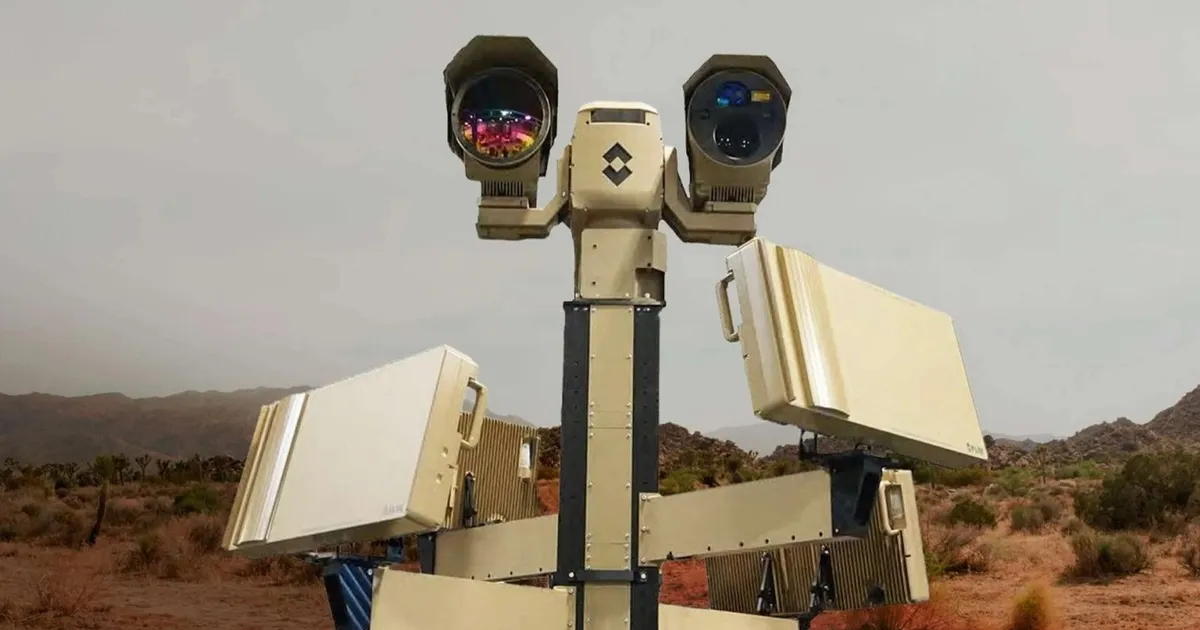
The US Navy's Strategic Systems Program is seeking sensors for port protection.
The US Navy is also interested in security robots, including 'unmanned surface vehicles (USVs) for shoreline patrols, unmanned ground vehicles (UGVs) for perimeter inspection, and robotic inspection platforms that seamlessly integrate with current response forces.'
Countermeasures against threats
Artificial intelligence has also emerged as a threat in the form of drone swarms or cyber warfare.
The US Navy is seeking countermeasures that 'focus on defeating autonomous swarms, disrupting AI-enabled intelligence, surveillance, and reconnaissance (ISR) directed at nuclear facilities, and hardening strategic security networks against cyber-physical attacks or AI-driven deception operations.'
The best defensive measure for protecting submarines is simply to avoid detection altogether. To that end, the US Navy is seeking to develop 'typical technologies that would reduce the generation, radiation, propagation, and dispersion of various types of signals associated with submarine and unmanned system operations, including operations in peacetime and war.'
Original source: Asharq News



Comments (0)
Be the first to comment.