US Producer Prices Unexpectedly Fall in June as Inflation Pressures Ease

US producer prices unexpectedly fell in June, a fresh sign of easing inflationary pressures before renewed military escalation in the Middle East, which revived fears of rising energy prices and their impact on the inflation trajectory in the coming months.
The US Labor Department announced on Wednesday that the final demand producer price index fell 0.3 percent in June, after a revised increase of 0.6 percent in May, while economists polled by Reuters had expected the index to remain unchanged.
On an annual basis, the index rose 5.5 percent in June, compared with 6 percent in May.
The monthly decline was driven by a 1.4 percent drop in goods prices, the largest since July 2022, as energy product prices fell 6.4 percent and wholesale food prices dropped 0.6 percent, while services prices rose 0.2 percent.
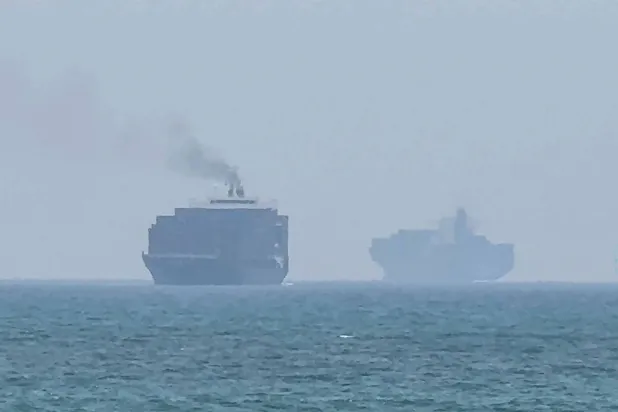
The data indicate that price pressures were easing before the return of military tensions between the United States and Iran, as the collapse of the ceasefire last week and attacks on commercial vessels in the Strait of Hormuz led to renewed military strikes, pushing oil prices to their highest in about four weeks.
Data released on Tuesday had shown the US consumer price index fell 0.4 percent in June, the largest monthly decline since April 2020, slowing the annual inflation rate to 3.5 percent compared with 4.2 percent in May, mainly supported by lower energy prices.
The Federal Reserve monitors the personal consumption expenditures index as its preferred measure for targeting inflation at 2 percent.
Before the producer price data release, economists had forecast the core personal consumption expenditures index, which excludes food and energy, to rise 0.2 percent in June, with the annual rate slowing to 3.3 percent from 3.4 percent in May.
Despite the slowdown in inflationary pressures, markets still expect the Federal Reserve to keep interest rates unchanged at a range of 3.50 to 3.75 percent at its current meeting, with expectations of an interest rate hike in September still persisting.
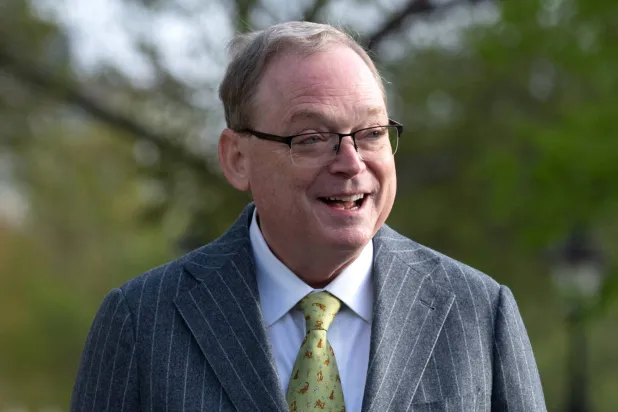
In this context, Federal Reserve Chairman Kevin Warsh affirmed during his testimony before Congress that the central bank 'does not tolerate inflation remaining at high levels,' indicating continued caution regarding the monetary policy path, especially amid rising oil prices due to escalating geopolitical tensions.
Original source: Asharq Al-Awsat



Comments (0)
Be the first to comment.