With Iran's Escalation Continuing, Trump Faces Risk of Sliding into 'Forever War'

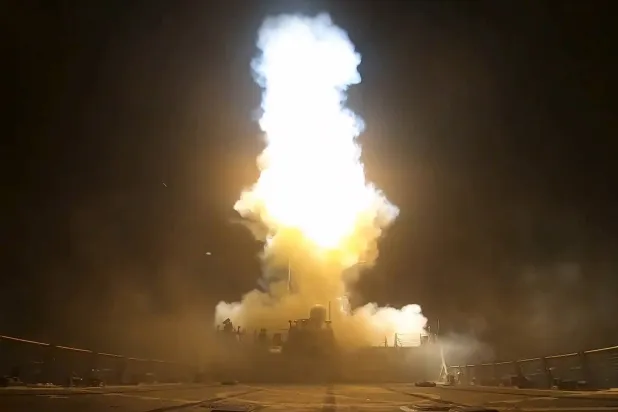
U.S. President Donald Trump faces the risk of sliding into a "forever war" in Iran, following the latest U.S. escalation against Tehran, amid a stalled diplomatic path, continued tension over the Strait of Hormuz, and growing doubts about the ability of military force to achieve lasting political goals, according to The New York Times.
The newspaper noted that "no one starts a war expecting it to last forever." But since the Vietnam War, American presidents have repeatedly found themselves in conflicts that seemed "forever," until a later president decides that the financial and political costs are no longer worth continuing, declares victory, and brings the troops home.
Critics argue that Trump may have fallen into the same trap in Iran. He ran his campaign promising to end wars, not start them, and not to drag the United States into a "forever war," especially in the Middle East. But his critics see that he now faces the risk of sliding into that scenario in Iran.
The Iran war has seen an alternation between rounds of negotiation and military strikes, but it has so far not achieved the goals Trump announced, whether regime change in Iran or ending the Iranian nuclear program. In contrast, the war has produced a new crisis that appears "intractable," namely the disruption of navigation in the Strait of Hormuz.
With diplomacy reaching a dead end, at least for now, Trump finds himself facing a "renewed war" after the collapse of the ceasefire and the closure of the strait. As for the "memorandum of understanding" he said "achieved everything he sought," despite differing interpretations, it collapsed in less than a month.
The concept of "forever wars"
Ali Vaez, director of the Iran Project at the International Crisis Group, told The New York Times: "Both sides viewed the memorandum of understanding as a continuation of war by other means, not a bridge to peace," considering that the absence of a long-term strategy leading to a sustainable settlement heralds "creating conditions that lead to a forever war."
The concept of "forever wars" emerged after the September 11, 2001 attacks and the launch of the "Global War on Terror," which pushed the United States into long-term military engagement in both Afghanistan and Iraq.
Those wars began with the toppling of hostile regimes, before turning into counterinsurgency campaigns, ultimately ending either inconclusively or in defeat, after heavy human and financial costs.
Lawrence Freedman, professor emeritus of war studies at King's College London and author of a study titled "The Age of Forever Wars" published last year, said that leaders with powerful armies often fall into what he called the "illusion of a short war." He added: "They think they can achieve a quick victory without suffering negative consequences."
Freedman pointed out in his remarks to the newspaper that Trump in Iran, like Russian President Vladimir Putin in Ukraine, "both misjudged the limits of military power, setting goals that are unattainable, if at all, except through a long-term conflict."
He added that "having the most advanced militaries is not enough" if "military power is not coupled with a strategy that transforms battlefield superiority into lasting political and diplomatic success."
Trump faces an additional challenge in his pursuit of victory relying only on air and naval power, without resorting to ground forces inside Iran, an option that is politically unacceptable.
The Second Gulf War in 1991 provided a different model, as it ended quickly and achieved its goals because President George H.W. Bush set a limited political objective: expelling Saddam Hussein's forces from Kuwait.
But this lesson, according to The New York Times, was not heeded by his son President George W. Bush during the invasion of Iraq in 2003, which ended up strengthening Iran's influence in the region.
In Afghanistan, after Bush Jr. overthrew the Taliban, he and his successors tried to reshape Afghan society, but the movement returned to power when Washington lost its appetite for continuing the mission.
One view, sometimes adopted by Trump, holds that the U.S. president waged the Iran war to end what he sees as a 47-year ongoing conflict between the United States and Iran, which began with the fall of the Shah of Iran in 1979.
New reality
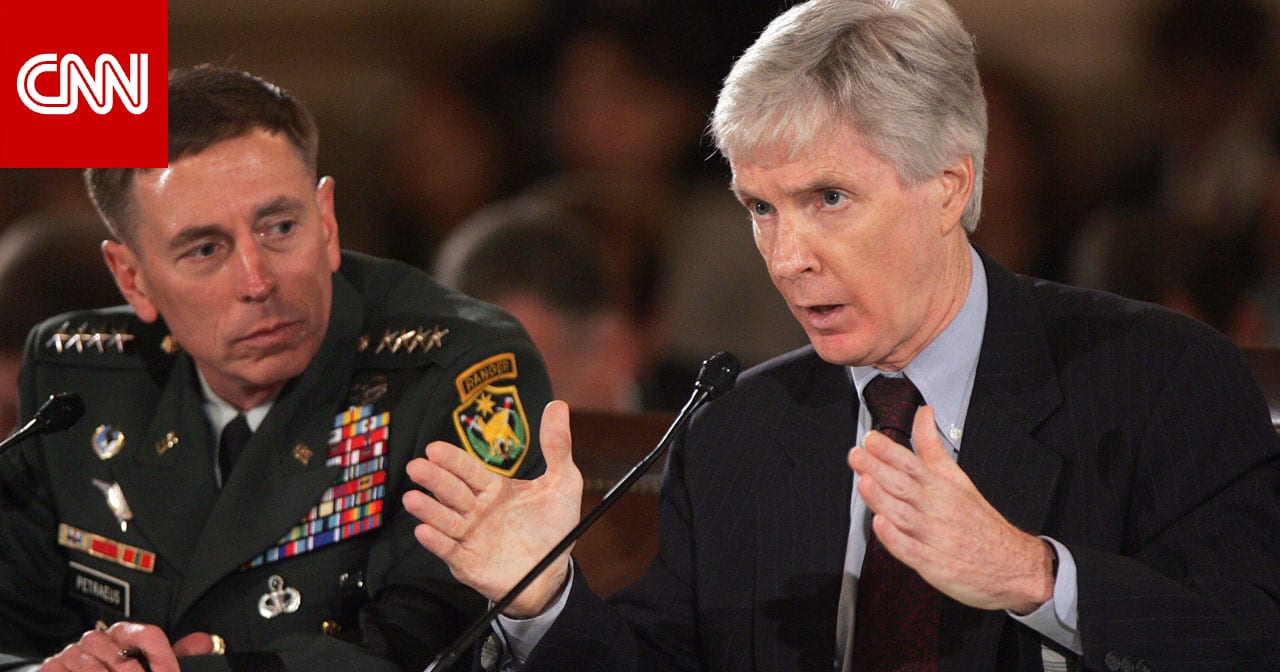
Vali Nasr, professor of international relations at the Johns Hopkins School of Advanced International Studies, believes that the "forever war" between Washington and Tehran is merely a new round of a conflict that has seen periods of escalation and periods of understanding, such as the nuclear deal signed in 2015, from which Trump withdrew in 2018.
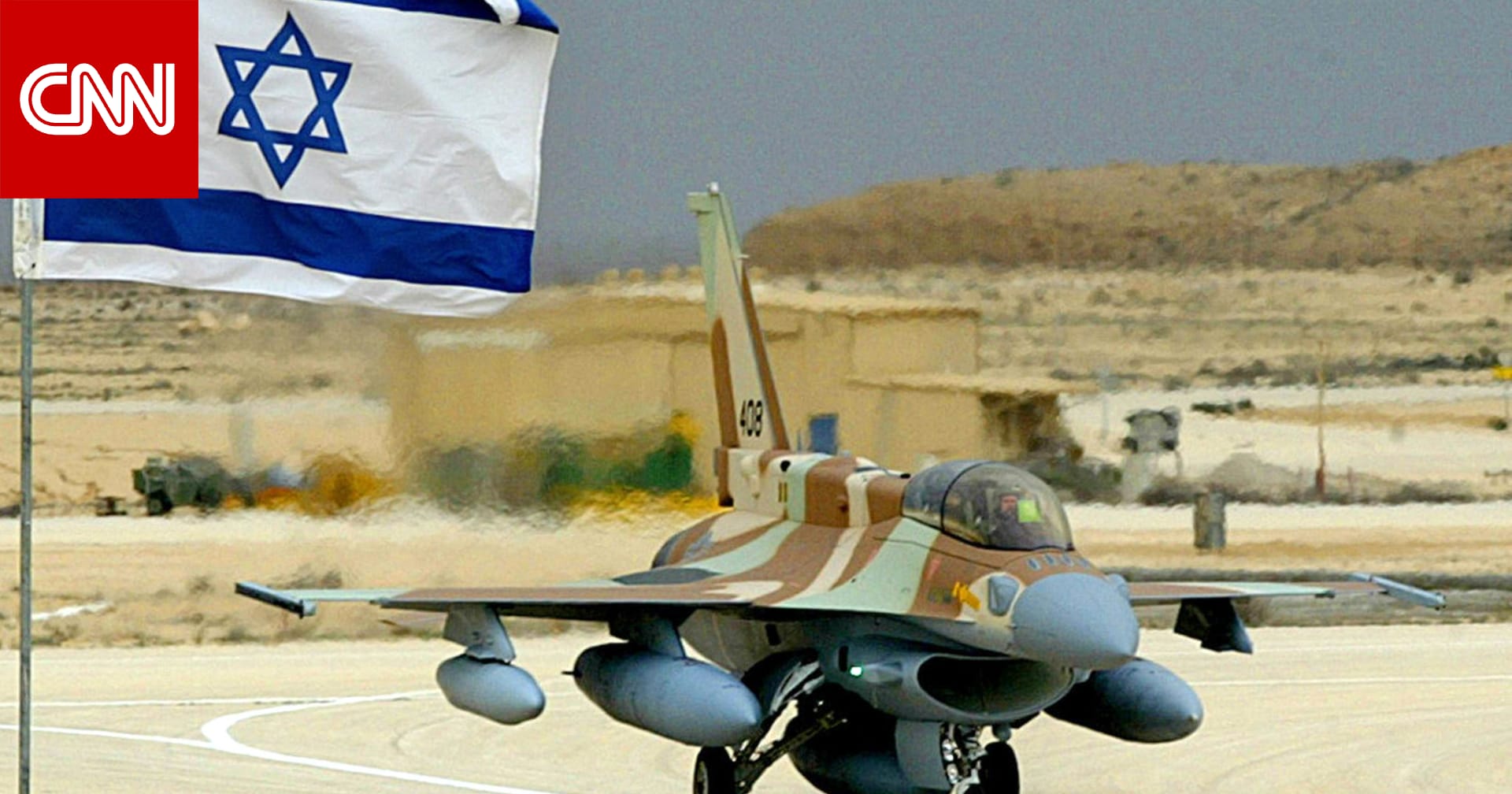
Aaron David Miller, senior fellow at the Carnegie Endowment for International Peace, said that Trump, pushed by Israel, has also entered a parallel "forever war," namely the conflict between Israel and Iran, which is fought through Tehran's proxies in Lebanon and Yemen.
Trump is still able to market this unpopular war to his electoral base as a kind of victory and then end it. But, contrary to many expectations, he appears to choose to move forward with escalation, "without a clear path toward a diplomatic settlement," according to the newspaper.
Moreover, his commitment to keeping the Strait of Hormuz open, in the face of Iran's insistence on retaining control over it, may lead to a long-term U.S. military engagement, even with allied participation.
However, the Iran war differs from the wars in Afghanistan and Iraq, according to The New York Times. In both cases, thousands of U.S. troops were deployed on the ground for long periods, and they ended up fighting militias and armed groups opposing Washington-backed governments, not confronting a country the size of Iran.
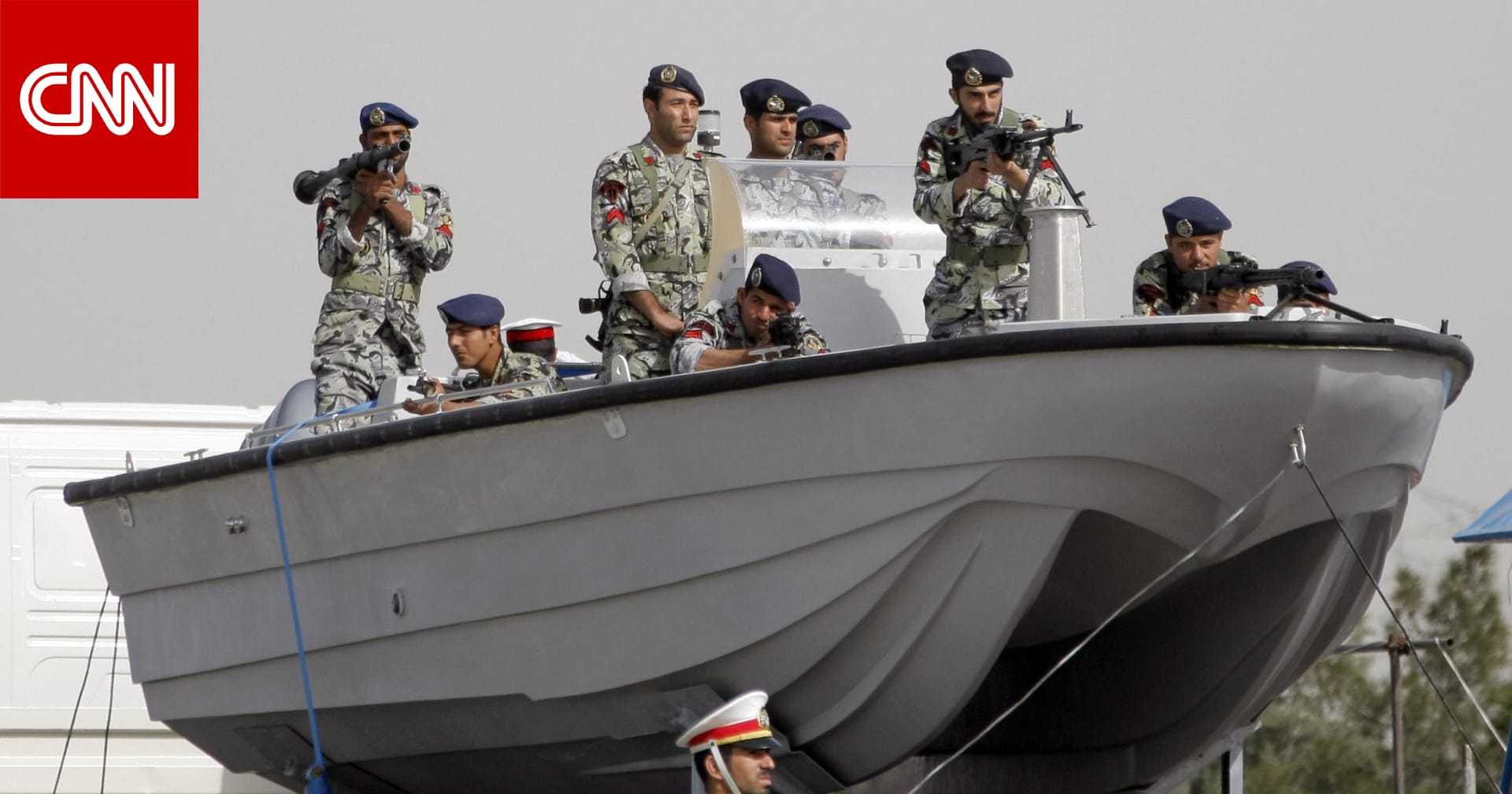
Also, unlike Vietnam, Iraq, or Afghanistan, Iran can inflict direct economic damage on the United States by disrupting navigation in the Strait of Hormuz, giving it an effective leverage, and is a main reason for its refusal to relinquish control over it.
Suzanne Maloney, director of the Foreign Policy program at the Brookings Institution, said that "there will be no return to the pre-war status quo." She added that "the mistaken assumptions and U.S. miscalculations, as happened in Iraq, have changed the balance of power in the region, and the era of completely free navigation through the Strait of Hormuz may be over."
She added that a "new reality" may emerge, but "with a much larger U.S. military presence in the region," given Iran's ability to target ships whenever it wants.
Vali Nasr, who previously worked on the Afghanistan war file, said that "Washington's interests in this conflict are far less than Iran's," and therefore "the pace of the war begins to slow for the United States, while the other side remains ready to maintain the same level of escalation."
However, a negotiated settlement to the Iran war remains "elusive." Ali Vaez said that both sides have proven unable even to commit to a limited framework agreement that postpones core issues to a later date. He added: "If they are incapable even of that, then the last barrier separating intermittent confrontations from an endless war may disappear."
Original source: Asharq News


Comments (0)
Be the first to comment.