World in Minutes: Military Escalation Dashes Market Optimism
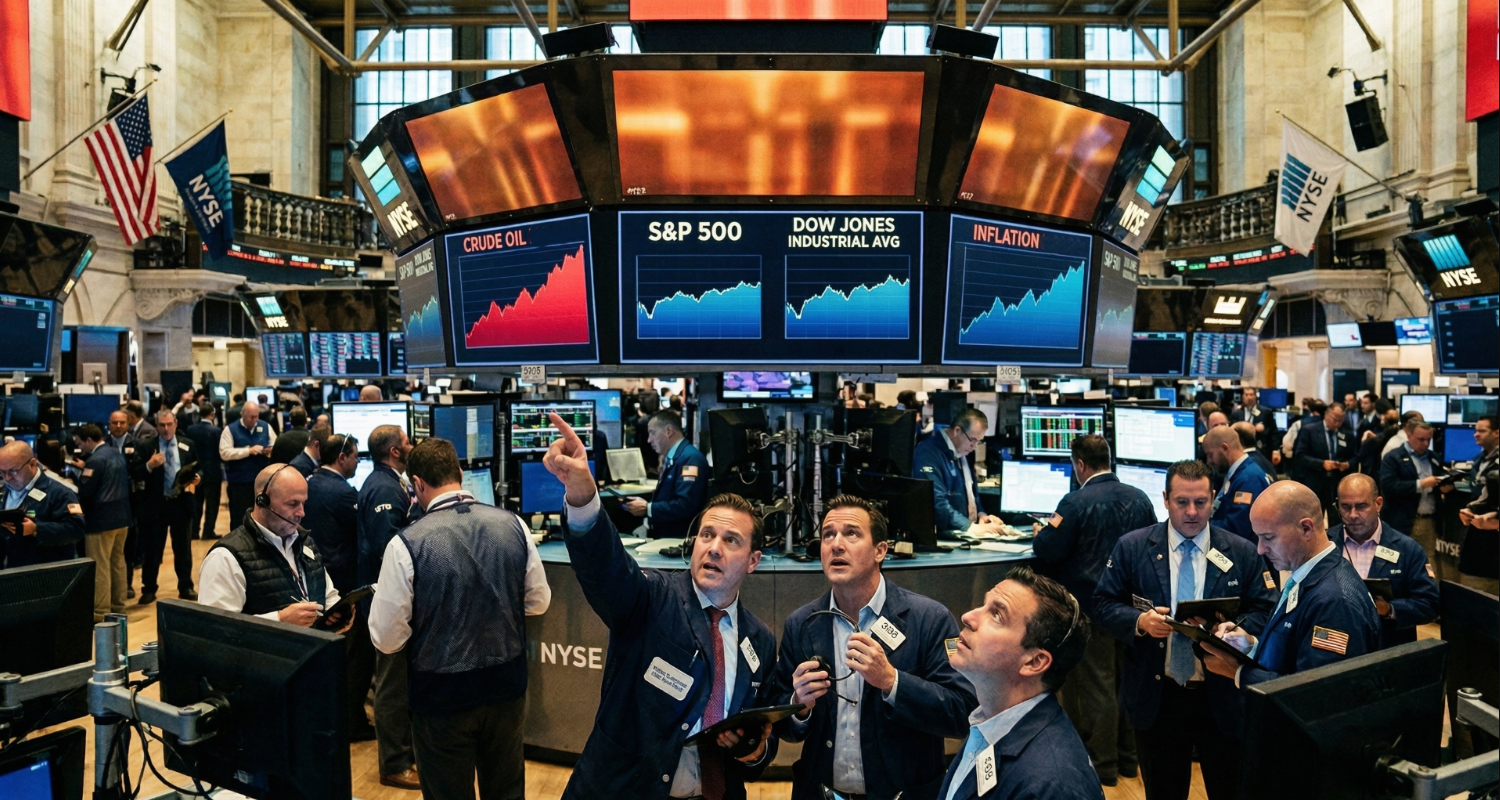
The ongoing military escalation between the United States and Iran continued to disrupt the global markets, dashing optimism over mediators' efforts to bring the conflict parties back to the diplomatic track, as investors tried to focus on the earnings season. Wall Street ended Wednesday's trading lower, affected by the continued sharp rise in oil prices, fueling fears of monetary tightening by the Federal Reserve ahead of its meeting next week, amid anticipation before the release of earnings results from major tech companies, including Alphabet and Tesla. Despite the geopolitical confusion…
World in Minutes: Military Escalation Dashes Market Optimism
The ongoing military tensions between Washington and Tehran cast a heavy shadow over global stock markets, dashing hopes for mediation aimed at opening the door to diplomacy, while investors tried to shift their focus to corporate earnings. Wall Street closed Wednesday's trading lower, affected by the sharp rise in oil prices, which heightened fears of monetary policy tightening by the Federal Reserve ahead of its expected meeting next week, along with anticipation for results from tech giants such as Alphabet and Tesla.
Global financial markets are directly affected by geopolitical tensions in the Middle East, where energy prices and the role of central banks play a pivotal role in determining investment trends.
Amid geopolitical uncertainty and weak performance in the technology sector, major European markets recorded gains supported by rising energy stocks, while the London Stock Exchange received additional support from data showing a slowdown in UK inflation in June.
In Asia, the scene was no less confusing, as Chinese stocks fell under pressure from profit-taking, while Japanese stock indexes were mixed with positive performance in the technology sector, countered by heightened anticipation of any potential government intervention in the foreign exchange market.
The yen fell to its lowest level against the dollar in 40 years, but analysts at Deutsche Bank suggested that the government in Tokyo is shifting its focus from supporting the yen to steering and managing government bond yields. These movements in financial markets came as Iran continued its threats of military escalation in response to continued US strikes, denying any intention to resume negotiations with the United States.
For his part, US President Donald Trump escalated his warning tone toward Iran, saying that the United States would bomb an Iranian bridge or power plant for every ship targeted by Tehran in the Strait of Hormuz.
Trump also stated that his country does not need the Strait of Hormuz thanks to its abundant oil production, and that Washington's interest in freedom of navigation is linked to the Iranian file, while Secretary of State Marco Rubio warned that Iran's demand to control the strait and impose transit fees poses a threat to the global economy.
Despite the US president's escalatory approach, the Secretary of State emphasized Washington's pursuit of a diplomatic settlement and its openness to dialogue, though he doubted Tehran's seriousness. This tension led to continued oil price increases, with Brent crude surpassing $94 at close, along with a jump in European natural gas by about 4%, bringing its gains to more than 50% since late last June.
Meanwhile, US Treasury yields rose amid growing concerns over monetary tightening, but the dollar fell after four consecutive days of gains, providing room for gold and silver prices to rise, while cryptocurrency prices declined as investors avoided high-risk assets.
As the second round of the conflict approaches its sixth month, the World Bank warned that the repercussions of the escalation could push global economic growth to slow down this year.
While advanced economies face ongoing financial pressures, Fitch Ratings predicted that these factors would combine to raise the debt of these countries' governments to a new record of $75.8 trillion by the end of 2026. Away from the military field, the race for technological dominance between the United States and China is accelerating, as the director of the White House Office of Science and Technology Policy accused the Chinese AI company Moonshot of using American models and advanced banned chips from Nvidia to develop its Kimi K3 model.
In what appears to be an attempt to calm the atmosphere as Washington prepares for the expected visit of the Chinese president next September, the US Secretary of State said that the United States and China are moving toward establishing two new councils for investment and trade between the world's two largest economies.
With the intensifying competition between Washington and Beijing over technological dominance and leadership, it seems that the biggest challenge for the United States is not just the rise of China, but the decline in global confidence in American leadership itself. How did that happen?
The War on Iran
{{displayname}}
{{profession}}
{{followercount}}
{{aboutme}}
Geopolitical tensions continue to impose severe pressures on the global economy and financial markets amid growing fears of the repercussions of inflation and sovereign debt. Investors are cautiously monitoring the path of monetary policies and the upcoming decisions of major central banks in light of these data. Energy and currency markets remain vulnerable to sharp fluctuations affected by any field developments or political statements from the parties concerned. International financial institutions are expected to continue monitoring these developments to assess their potential impact on global economic growth prospects in the coming period.
Original source: Argaam




Comments (0)
Be the first to comment.