Yemen resumes oil exports after 4-year halt.. What changed?
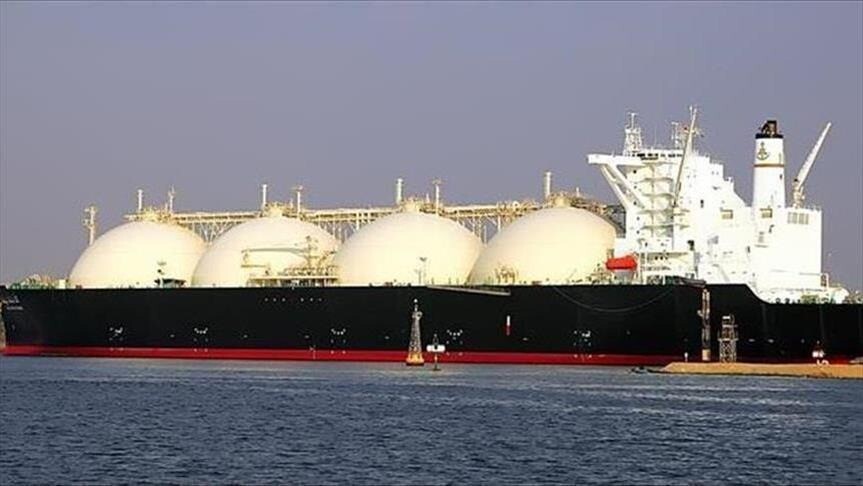
Yemen’s government announced it has begun exporting oil for the first time in nearly four years, aiming to boost state revenues. The halt followed Houthi attacks in 2022. Exports are set at 60,000 barrels per day, with over 1.7 million barrels ready. Losses from the halt reached $7.5 billion by May 2025.
Yemen / Anadolu
- Deputy Foreign Minister Mustafa Numan: The government has already started resuming oil exports after a halt since 2022
- Oil Minister Mohammed Bamqaa: There are stored quantities, including more than 1.7 million barrels ready for export
- Yemen produces 60,000 barrels per day with a plan to increase output by 25 percent within a month
- $7.5 billion loss for Yemen due to the halt in oil exports until May 2025
The Yemeni government announced on Wednesday that it has practically begun exporting oil for the first time in nearly four years, thus overcoming the suspension imposed by the repercussions of Houthi attacks since 2022.
This step comes at a time when official institutions are seeking to secure additional financial resources to support the national economy and alleviate the severity of the living crisis.
In this context, Yemeni Deputy Foreign Minister Mustafa Numan confirmed, during his interview with Al-Arabiya channel, that "the government has already started exporting oil."
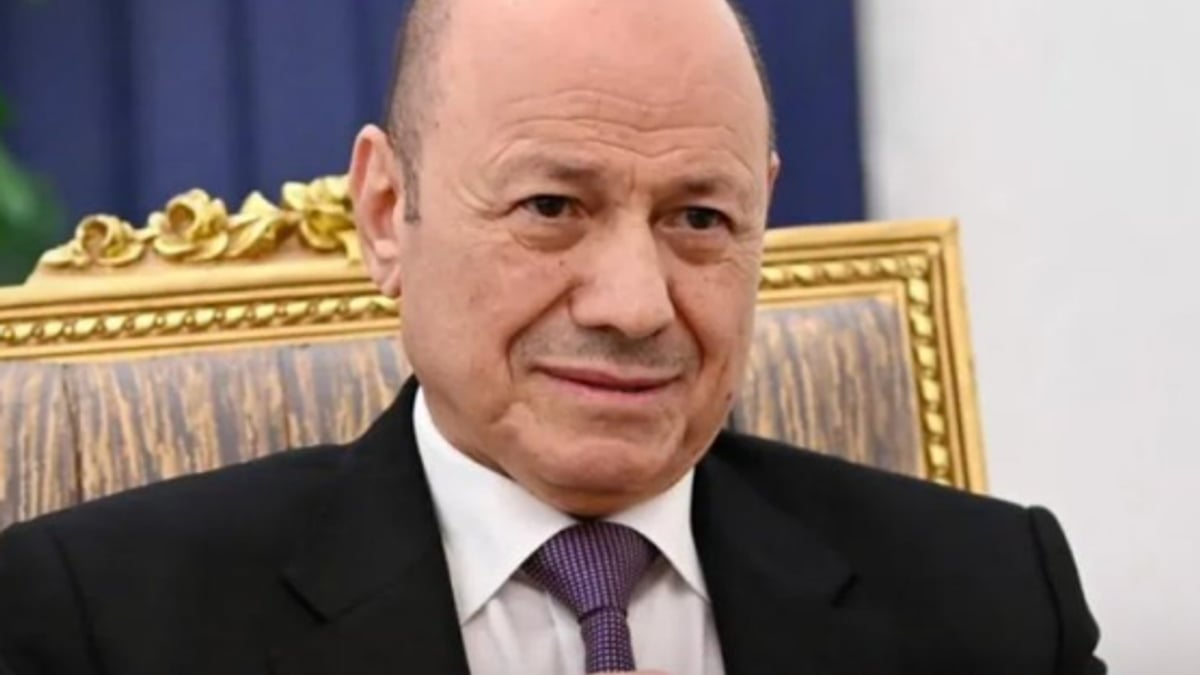
The announcement came two days after the Chairman of the Presidential Leadership Council, Rashad al-Alimi, affirmed in a televised speech that the government is working to resume oil exports "by all means" starting Monday, and to direct its revenues to serve citizens and fulfill the state's basic obligations, foremost of which is paying salaries, improving services, and supporting economic stability.
In light of this development, questions arise about the reasons for the suspension of oil exports, the expected production volume, in addition to the losses incurred by the country due to the halt in exports of this vital commodity over the past years.
Beginning of the export suspension crisis
The crisis of suspending oil exports began following attacks launched by the Houthis in October and November 2022 on oil ports under government control in the governorates of Hadramawt and Shabwa, eastern and southern Yemen.
These attacks, carried out with drones, led to a halt in export operations, while the group later threatened, in more than one statement, to target any oil shipments destined for export, making any government move in this file subject to security threats.
The Houthi attacks forced oil companies and shipping tankers to suspend export operations, depriving the Yemeni government of one of its most important sources of public revenue.
Those attacks came after the Houthis demanded the payment of employee salaries and retirees' pensions in areas under their control from the oil revenues under the government's authority, which asserts that this file is a sovereign right belonging to the legitimate authorities.
The importance of oil in the Yemeni economy
Although Yemen is a small oil producer, its exports constitute about 70 percent of the state's general budget revenues, in a country facing one of the worst humanitarian and economic crises in the world, with its economy suffering from a severe contraction due to the repercussions of the conflict between the government and the Houthis.
For his part, Oil Minister Mohammed Bamqaa, in statements quoted by the official Yemen TV channel on Wednesday, indicated that he held a meeting with the Supreme Committee for Marketing and Selling Oil and relevant parties, confirming that the ministry has started taking practical measures to resume exports.
He added that the revenues from oil exports will be deposited in the Central Bank, as part of a government approach to channel public revenues and enhance the state's financial resources.
The minister revealed that there are stored quantities of oil, including more than 1.7 million barrels ready for export.
Exporting 60,000 barrels per day
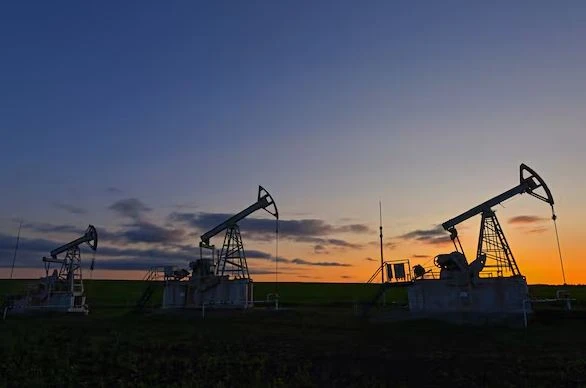
Regarding the expected quantities for export, the minister explained that the export capacity in the first phase amounts to about 60,000 barrels per day, from the sectors of Petromasila, Al-Aqlah, Jannah Hunt, Safer, and Calvary, located in the governorates of Hadramawt (east), Shabwa (south), and Marib (center).
He pointed out that the ministry has directed oil-producing companies to prepare timelines to increase production and develop fields, and to raise production capacity during the first month of resuming exports by up to 25 percent.
He considered that these steps come within the framework of the government's efforts to revitalize the oil sector and restore its vital role in supporting the national economy, and enabling the state to fulfill its obligations towards citizens.
Major financial losses
The Yemeni government incurred major financial losses due to the suspension of oil exports, which plunged it into an unprecedented financial crisis, reflected in its ability to pay its employees' salaries and affected the provision of basic services, foremost of which are electricity and water.
Thanks to repeated Saudi support, the government managed to maintain almost regular salary payments in areas under its control, while most employee salaries in Houthi-controlled areas have been cut off since 2016.
In October 2024, the Governor of the Central Bank of Yemen, Ahmed Ghaleb al-Mabaqi, said that the country lost about $6 billion due to the suspension of oil exports over two years.
In mid-May 2025, the Yemeni government announced that its losses had risen to $7.5 billion due to the continued suspension of exports, and since then no new official statistics have been issued, but observers estimate that total losses have reached about $9 billion by July 2026.
The state's general budget relies mainly on these exports to cover basic expenditures. Observers hope that the return of revenue flow will help address the employee salary crisis and improve deteriorating public services. However, the success of this path remains linked to the extent of providing necessary security protection for oil facilities and ports against any potential threats. The biggest challenge remains directing revenues towards vital sectors to ensure the desired economic stability in the country.
Original source: Anadolu Agency




Comments (0)
Be the first to comment.