4 Foods to Help Lower Cholesterol… and a Study Warns of a Risk Starting in Childhood
Cardiologists have warned that high cholesterol levels, especially during childhood and adolescence, may significantly increase the risk of atherosclerosis, heart disease, and strokes later in life, emphasizing that a healthy diet and regular physical activity are the first line of defense for prevention.
These warnings coincide with a recent study led by researchers from the University of Cambridge and published in the scientific journal Nature, which revealed that exposure to high or fluctuating cholesterol levels in early life may leave long-term effects on the health of blood vessels.
Study Results
The researchers conducted an experiment on two groups of mice fed cholesterol-rich diets: one group was fed continuously, while the other was fed intermittently.
Professor Ziad Mallat, a professor of cardiovascular medicine at the University of Cambridge supported by the British Heart Foundation (BHF), explained that an intermittent high-fat diet at an early age was the most dangerous, as it led to a clear increase in the risk of atherosclerosis compared to a continuous diet.
Another research team analyzed data from more than 2,000 participants in the 'Cardiovascular Risk in Young Finns Study,' finding that individuals exposed to high cholesterol levels during their childhood were more prone to the accumulation of fatty plaques within their arteries later in life.
What is Cholesterol?
Dr. Oliver Guttman, a cardiology consultant at The Wellington Hospital, explains that cholesterol is a fatty substance naturally found in the blood that plays an important role in building cells and producing certain hormones.
Cholesterol is divided into two main types:
Low-Density Lipoprotein (LDL): High levels cause fat to accumulate within the arteries, increasing the risk of heart disease.
High-Density Lipoprotein (HDL): This helps remove bad cholesterol and transports it away from the arteries, protecting the heart and blood vessels.
What are the Risks of High Cholesterol?
According to Dr. Chun Tang, medical director at Pall Mall Medical, high bad cholesterol leads to the accumulation of fatty deposits within the arteries. Over time, these arteries become narrower, obstructing blood flow and increasing the risk of heart disease, heart attacks, strokes, and vascular diseases.
Tang likened the situation to a traffic jam inside the blood vessels, where blood flow becomes less efficient, potentially leading to serious complications.
Who is Most at Risk?
Experts indicate that certain groups are more susceptible to high cholesterol, including: the elderly due to aging and a slower metabolism; people with a family history or genetic disorders such as familial hypercholesterolemia; those who are obese; those following an unhealthy diet; and those who are physically inactive.
Why Should Cholesterol be Monitored from Childhood?
Doctors emphasize that monitoring cholesterol levels from an early age provides an opportunity for early intervention and lifestyle modifications before permanent damage to the arteries occurs.
Furthermore, high cholesterol often causes no clear symptoms, meaning a person may live with it for years without realizing it, before serious complications like heart attacks or strokes manifest.
4 Food Groups to Help Lower Cholesterol
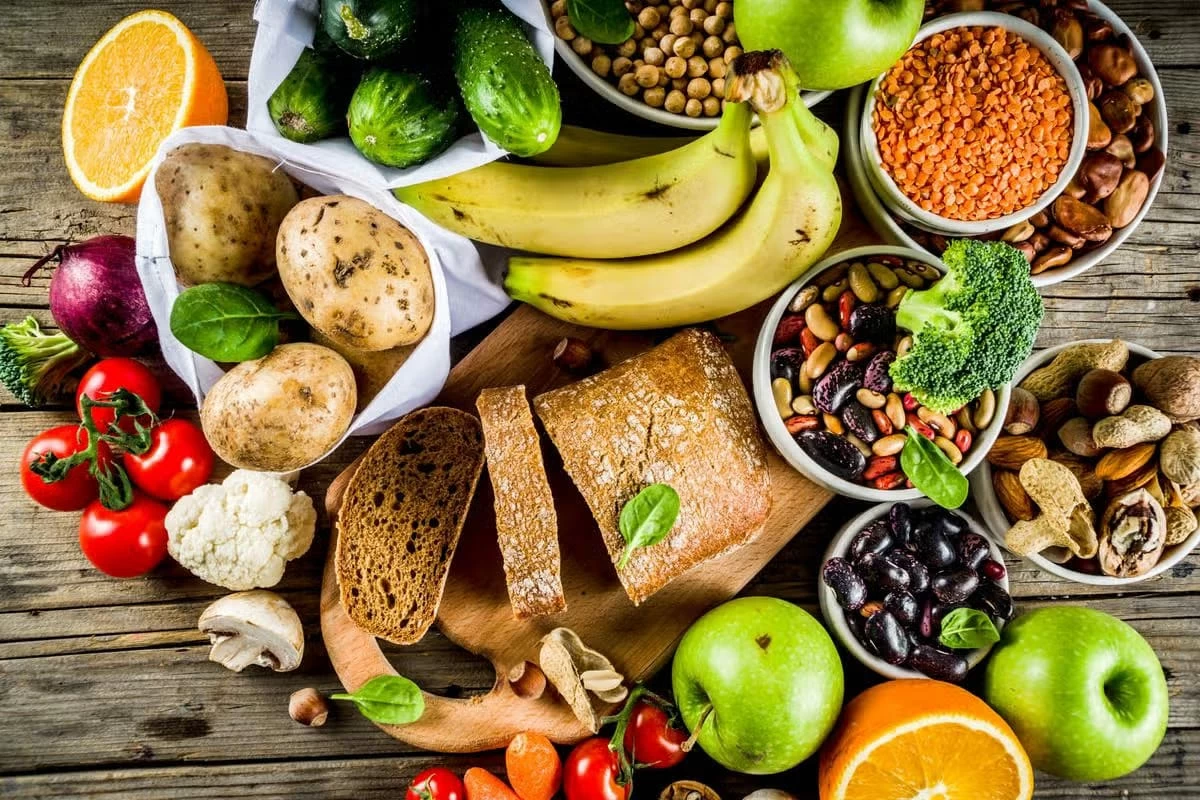
Experts recommend incorporating four main food groups into one's daily diet to help reduce bad cholesterol and improve heart health: fruits and vegetables rich in fiber and antioxidants; whole grains such as oats, brown bread, and brown rice; lean proteins like fish, skinless chicken, and legumes; and healthy fats found in avocados, nuts, and olive oil, while reducing saturated and trans fats found in fatty meats, fried foods, and processed items.
Other Steps to Protect the Heart
In addition to diet, experts recommend adopting several healthy habits, most notably: performing at least 150 minutes per week of moderate physical activity, such as brisk walking or cycling; quitting smoking, as it reduces good cholesterol (HDL) levels and damages blood vessels.
Regular check-ups to monitor cholesterol levels are also advised, especially for those with risk factors or a family history of heart disease.
Researchers emphasize that early prevention of high cholesterol is a long-term investment in heart health, as simple lifestyle changes can significantly reduce the future risk of cardiovascular disease.
Original source: Okaz





Comments (0)
Be the first to comment.