Do weight loss drugs cause hair loss?

Do weight loss drugs cause hair loss?
July 23, 2026 - 14:13 | Last updated July 23, 2026 - 14:13
Follow Okaz channel on WhatsApp
Mohammad Siddiq
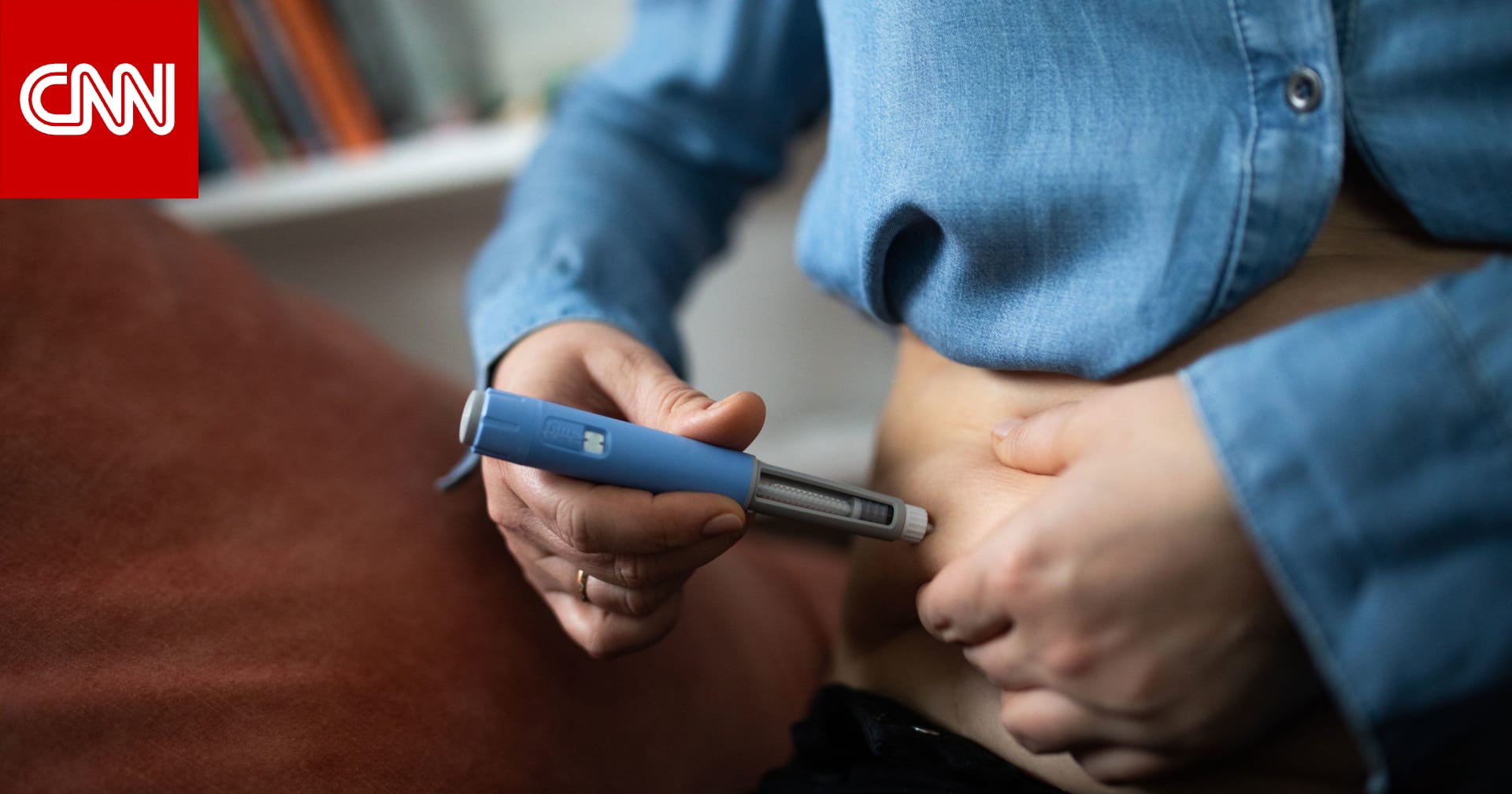
Three recent studies have revealed a slight increase in the risk of hair loss (alopecia) among people using GLP-1 class obesity and diabetes medications, compared to some other diabetes drugs, with researchers confirming that the risk remains low, and that hair loss is often temporary and reversible.
According to a study by researchers at the University of Pennsylvania published in The BMJ, the odds of alopecia diagnosis after two or more years of starting GLP-1 drugs increased by 37% compared to users of SGLT-2 drugs, and by 68% compared to users of DPP-4 inhibitors.
Despite this relative increase, the researchers explained that the actual rates of hair loss remained low, ranging from 3 to 9 cases per thousand people annually, and the study included between 11,000 and 15,000 patients in each treatment group.
The GLP-1 drugs covered by the study included Semaglutide, marketed under the brand names Wegovy and Ozempic, as well as Tirzepatide, known as Zepbound and Mounjaro, along with other drugs in the same class.
In comparison, the study included SGLT-2 drugs such as Invokana, Farxiga, and Jardiance, as well as DPP-4 drugs such as Januvia and Onglyza.
In another study recently published in the Journal of the American Academy of Dermatology involving more than one million participants worldwide, researchers found that users of GLP-1 drugs were more likely to develop various types of alopecia compared to users of metformin, one of the most commonly used diabetes drugs.
A third study, still under scientific review, also showed that the risk of hair loss may be higher among users of Tirzepatide compared to Semaglutide.
Researchers compared data from 11,046 patients who used Tirzepatide with the same number of Semaglutide users, finding that the new incidence rate of hair loss was 4.24% among Tirzepatide users, compared to 3.33% among Semaglutide users.
The results indicated that women were more affected, with an incidence rate of 5.44% among female Tirzepatide users, compared to 3.63% among female Semaglutide users.
The three studies confirmed that hair loss is one of the symptoms that may accompany rapid weight loss, and is often temporary, with hair regrowing once the condition stabilizes.
However, the researchers noted that the latest study showed that the increased risk of hair loss among Tirzepatide users persisted regardless of the amount of weight lost or the drug dose, suggesting that other factors may explain this phenomenon.
Venki Soundararajan, the lead researcher of the study, said: The results also showed that the risk of alopecia was higher in patients with thyroid disorders or other endocrine diseases, which may reflect a role for hormonal, immune, or dermatological factors in increasing the likelihood of hair loss.
He added that these findings support the importance of providing individualized medical consultations and monitoring patients according to their specific risk factors, rather than assuming that weight loss alone is the inevitable cause of hair loss.
Despite these results, the researchers stressed that the studies observe a statistical association between GLP-1 drug use and hair loss, and do not definitively prove that these drugs are the direct cause, emphasizing the need for further research to understand the potential mechanisms behind this phenomenon.
Hair loss alopecia obesity and diabetes treatment GLP-1 class metformin diabetes
Original source: Okaz




Comments (0)
Be the first to comment.