Unexpected side of weight loss drugs... potential link to hair loss
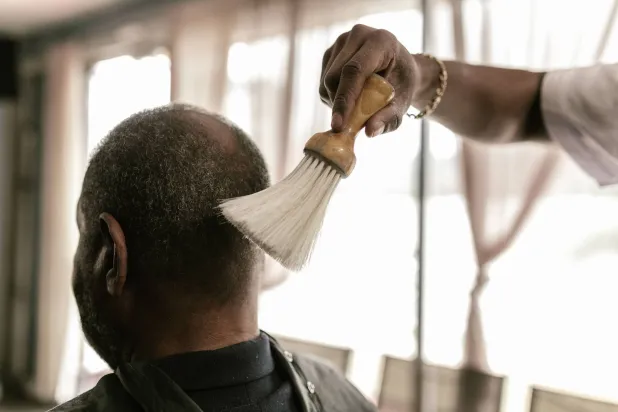
Modern weight loss drugs, which have brought about a major transformation in the treatment of obesity and diabetes, have become the focus of many studies examining their benefits and potential side effects. In this context, a recent study revealed an association between the use of drugs belonging to the class of glucagon-like peptide-1 (GLP-1) receptor agonists, such as Mounjaro, Ozempic, and Wegovy, and an increased risk of hair loss, adding a new dimension to the debate about the unwanted effects of these widely used medications.
The Independent reported that users of these drugs have previously reported cases of hair loss to regulatory authorities, while the results of the new study, which included nearly 50,000 people, suggest a potential link between these treatments and the onset of a condition medically known as alopecia.
GLP-1 receptor agonists are primarily used to treat diabetes and obesity, as they work by mimicking natural hormones that help regulate blood sugar levels and reduce appetite, leading to weight loss in many users.
In the study, researchers relied on health data to compare the rates of hair loss among adults using GLP-1 receptor agonists to control diabetes, with rates among patients taking other types of diabetes medications.
The research team from the University of Pennsylvania Health System pointed out that US regulators have received reports linking these drugs to hair loss, particularly concerning semaglutide found in Wegovy and Ozempic, and tirzepatide found in Mounjaro.
As of 2026, the UK Medicines and Healthcare products Regulatory Agency (MHRA) had received 399 reports of hair loss associated with the use of tirzepatide, in addition to 541 reports during the previous year. The agency also received 148 reports of cases linked to semaglutide, along with 164 reports over the past year.
Study details and results
In the new study, researchers analyzed data from patients with type 2 diabetes who were using either GLP-1 receptor agonists or other types of diabetes medications, including sodium-glucose cotransporter-2 (SGLT-2) inhibitors or dipeptidyl peptidase-4 (DPP-4) inhibitors.
The number of patients whose data were compared was:
- 12,004 patients using GLP-1 drugs, compared to 15,221 patients using SGLT-2 inhibitors.
- 11,964 users of GLP-1 drugs, compared to 11,233 users of DPP-4 inhibitors.
A box of Ozempic displayed in a pharmacy in London (Reuters)
After adjusting the results for factors that may affect hair loss rates, such as age and weight, the researchers found that the use of GLP-1 drugs was associated with a 37% increased risk of developing alopecia compared to using SGLT-2 inhibitors.
The results also showed that the use of GLP-1 drugs was associated with a 68% increased risk of hair loss compared to using DPP-4 inhibitors.
Additional analyses indicated that this association was primarily related to non-scarring alopecia, a condition in which hair follicles remain intact, meaning that hair regrowth is still possible in many cases.
What do the scientific bodies say?
The researchers, including scientists from the University of Pennsylvania in the United States, wrote in the British Medical Journal (BMJ): 'Case reports and analyses of the FDA Adverse Event Reporting System have indicated cases of hair loss after starting GLP-1 receptor agonists, particularly semaglutide (Wegovy and Ozempic) and tirzepatide (Mounjaro). The FDA has also indicated that it is evaluating this potential safety signal.'
The researchers added that hair loss does not usually lead to direct physical harm, but it may cause significant psychological and social effects, as it can affect self-esteem, quality of life, and patient adherence to treatment.
Why might these drugs cause hair loss?
In an attempt to explain the relationship between the use of these drugs and hair loss, the research team stated that 'the most likely mechanism' may be related to rapid weight loss and reduced caloric intake.
The researchers pointed out that reducing calories can lead to what is known as physiological stress, in addition to the possibility of deficiencies in important micronutrients, such as iron, zinc, and biotin, which play a role in the hair growth cycle.
The team emphasized that this hypothesis needs further studies to understand the relationship more precisely and to determine whether hair loss is due to a direct effect of the drugs themselves or to the physical changes accompanying weight loss.
Read also
Original source: Asharq Al-Awsat





Comments (0)
Be the first to comment.