High Salt Levels in the Body: What's the Impact and How to Avoid It?
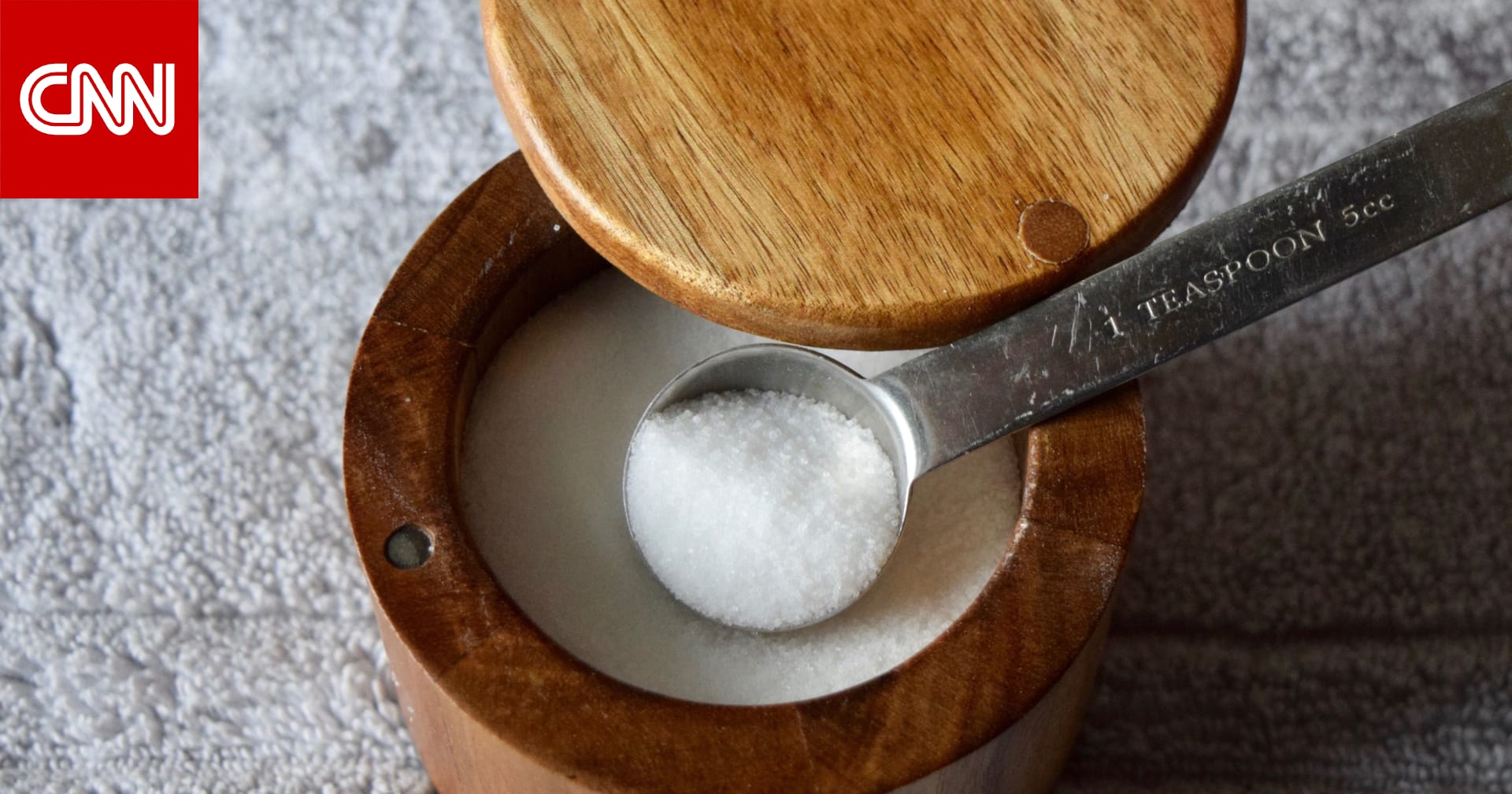
Excessive sodium intake can lead to high blood pressure and increase the risk of heart disease and stroke; combined, heart disease and stroke are the leading cause of death annually in America.
What is the impact of high salt levels in the body and how can it be avoided?
A CNN report indicates that excessive sodium consumption raises blood pressure and increases the risk of heart disease and stroke, which together are the leading cause of death annually in America.
The warning against excessive salt comes as part of public health efforts to reduce rates of chronic diseases linked to dietary patterns.
The Centers for Disease Control and Prevention (CDC) explains that the body only needs a small amount of sodium to function, but excess is harmful to health. The average daily sodium consumption of Americans exceeds 3,300 mg, far surpassing the federal recommended upper limit of 2,300 mg for adolescents and adults following a healthy diet.
Sodium is found in foods from all food groups, including sandwiches, rice, pasta, and other grain-based dishes, starchy and non-starchy vegetables, meat, poultry, seafood dishes, pizza, soup, potato chips, salty crackers, salty snacks, sweets, sweet snacks, condiments and sauces, cold cuts, processed meats, bread, and tortillas.
High sodium consumption and blood pressure
The link between sodium intake and high blood pressure is scientifically established; communities with high salt consumption have higher rates of hypertension.
Australian site Betterhealth stated that reducing salt intake lowers high blood pressure. The degree of reduction depends on several factors, including age, current blood pressure level, exercise frequency, body weight, stress levels, and alcohol consumption.
Groups most affected by high sodium include people with high blood pressure, diabetes, and chronic kidney disease, as well as the elderly and those who are overweight; they are most vulnerable to its harmful effects on blood pressure.
High sodium consumption and other health conditions
Excessive sodium intake is linked to other health conditions, such as:
Heart failure
Kidney problems and kidney stones
Fluid retention in the body
Stroke
Stomach cancer
Left ventricular hypertrophy
Osteoporosis
High salt intake leads to increased calcium excretion in urine, which may also contribute to osteoporosis and an increased risk of fractures.
The balance of sodium and water in the body can also be disrupted if there is insufficient water intake; this may result from a dysfunction in the thirst mechanism or limited access to water.
Hypernatremia is a very serious condition when blood sodium levels exceed 145 mEq/L and can lead to death.
How to reduce salt in the diet
Taste buds adapt to lower salt levels in food within a few weeks. Therefore, gradually reducing salt in the diet is key to success. The following tips are recommended to reduce salt use when eating, cooking, or preparing meals:
Use dried or fresh herbs such as parsley, oregano, thyme, dill, basil, or dried herb blends to add distinctive flavor.
Use spices and other flavor enhancers, such as garlic and chili pepper.
Add lemon juice, which is an excellent flavor enhancer and often helps tenderize meat.
Use small amounts of salt.
Some believe sea salt is a healthy alternative to regular table salt, but both are composed of sodium chloride, so it is best to avoid both.
Avoid fast food and ready-made restaurant meals that contain high levels of salt.
Reduce salt when eating out.
Look for products labeled 'low salt' or 'no added salt'.
Check the sodium content per 100 grams of packaged foods.
Choose low-salt bread and breakfast cereals, as bread is a major source of sodium in the diet.
Choose fresh vegetables or canned varieties with lower sodium content.
Reduce purchasing packaged and processed snacks.
Sodium is found in many everyday foods such as bread, fast food, and canned goods, making it challenging to control intake. Excessive salt is also linked to increased calcium loss through urine, which may worsen the risk of osteoporosis. Data show that reducing dietary salt helps lower blood pressure, especially in vulnerable groups. Therefore, health authorities recommend monitoring added sodium and limiting processed foods.
Original source: CNN Arabic





Comments (0)
Be the first to comment.