Why Gen Z is replacing the doctor with urgent care clinics?
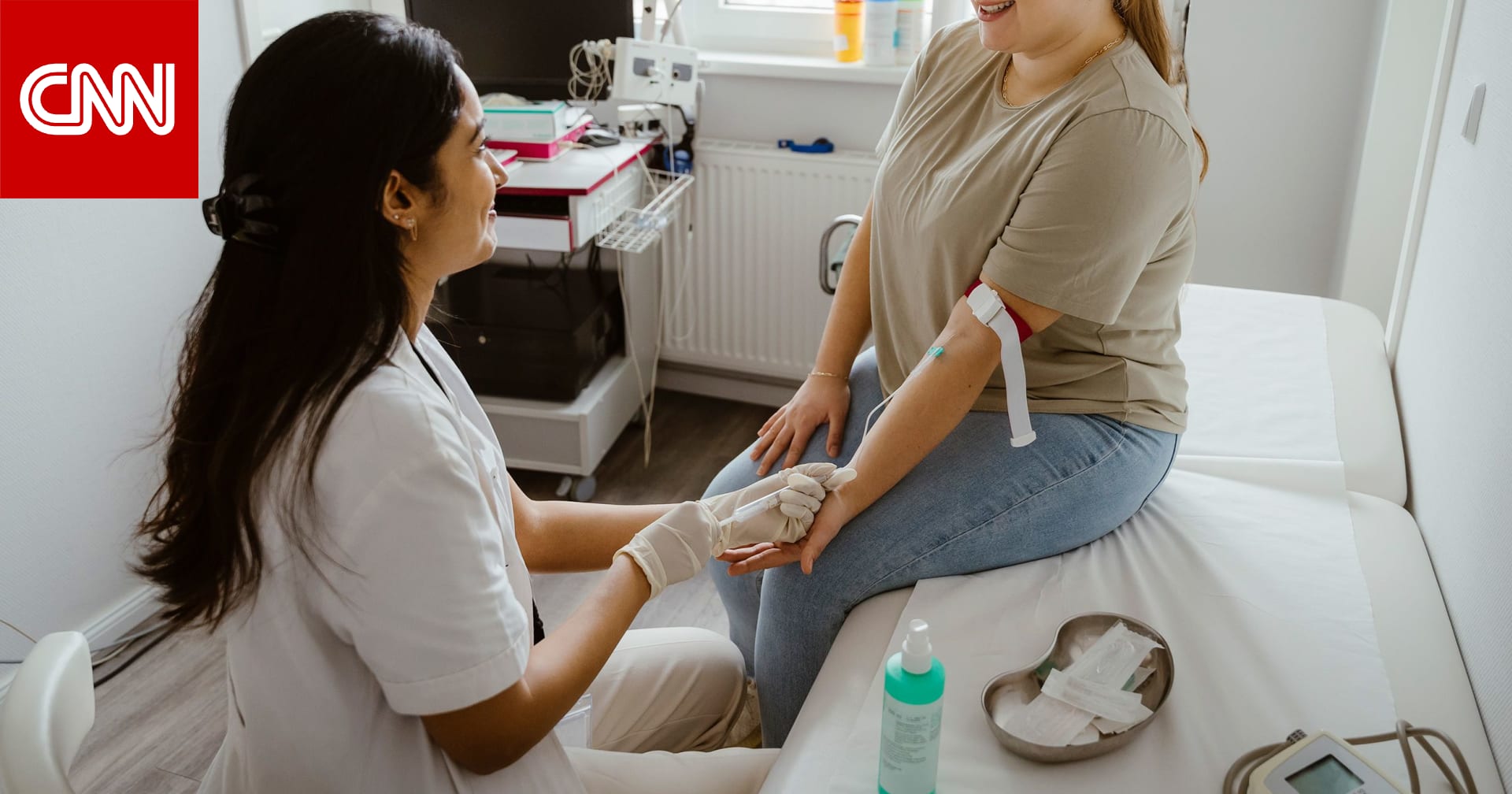
Results of a national survey by the Ohio State University Wexner Medical Center, published June 29, showed that only 47% of people aged 18-29 had an annual health check-up in the past year.
(CNN) -- The annual medical check-up is the usual preventive measure for adults, but many Gen Z are avoiding regular medical appointments.
According to a recent national survey by the Ohio State University Wexner Medical Center, more than one in four young adults do not have a primary care doctor. Even among those who have a doctor, many skip regular check-ups or do not schedule appointments.
The survey results, published June 29, showed that only 47% of people aged 18-29 had an annual health check-up in the past year.
Experts said missing doctor visits in young adulthood can lead to serious health consequences, because missing early prevention opportunities increases the likelihood of developing diseases later in life.
In recent years, colorectal cancer rates have risen among younger adults, becoming the leading cause of cancer deaths in people under 50.
Dr. Leana Wen, CNN health expert, emergency physician and clinical associate professor at George Washington University, not involved in the study, said "The annual visit is not just about today's health; it helps identify future risks, maintain a preventive care schedule, and gives you a doctor you trust, who knows your medical history and can help you address health concerns, whether physical or mental."
The survey included 1,006 participants from various age groups. Older adults were most likely to have a primary care doctor, with 97% of those aged 65 and over saying they have a doctor who follows them regularly, compared to 71% of younger adults.
The survey showed that 36% of Gen Z first go to urgent care clinics when facing non-emergency health issues. But Dr. Russell Phillips, chief innovation advisor in primary care at Beth Israel Deaconess Medical Center in Boston and not involved in the survey, stressed that the ongoing relationship between doctor and patient is essential for maintaining health, and said: "There are missed opportunities to build a trusting relationship with someone who can, in all likelihood, help you avoid a trip to the emergency room or support you in ways that help maintain your health in the long term."
Although younger adults are less likely to have age-related diseases, that does not mean they are immune to serious illnesses. Dr. Zachary Pittinger, family physician and clinical associate professor at the Ohio State University Wexner Medical Center, said: "We lowered the routine screening age for colorectal cancer for everyone from 50 to 45, but that age may be lower if the family history is more complex."
He added that if the doctor is not a good fit, it is natural to look for another with whom the patient feels comfortable, and to take advantage of recommendations from trusted family or friends.
Olivia Hall's experience exemplifies these challenges. Over six years, Hall, 27, saw seven primary care doctors, who often attributed her elevated heart rate to stress, before a specialist diagnosed her with postural orthostatic tachycardia syndrome (POTS). She said: "Their complaints were dismissed so many times that they began to believe that what they were feeling was not real, or that they were exaggerating it more than it was."
She added: "A trusted doctor who actually listens and helps take appropriate steps can save people years of suffering and self-doubt."
Phillips noted that access to primary care has become more difficult, especially in rural areas and crowded cities. According to the US Health Resources and Services Administration's 2025 projections, the shortage could reach 70,610 primary care doctors by 2038.
He commented: "We don't have enough primary care doctors. It's hard to find a doctor who accepts new patients in their clinic," adding that getting an appointment can be difficult even for those who already have a doctor.
Pittinger added that high healthcare costs and unclear insurance coverage are causing some young people to postpone medical appointments. Additionally, some lose health coverage after turning 26, or have difficulty finding a doctor after moving to a new place.
Wen said: "For some people, urgent care has become their default option because it is convenient and does not require building an ongoing relationship with a doctor." But she explained that these clinics are suitable for treating minor illnesses and injuries, and do not replace primary care, because the primary care doctor can follow the condition over time, coordinate care with specialists when needed, and focus on prevention, not just treating the current problem.
Original source: CNN Arabic





Comments (0)
Be the first to comment.