Neglecting Oral Health May Threaten Hand Joints
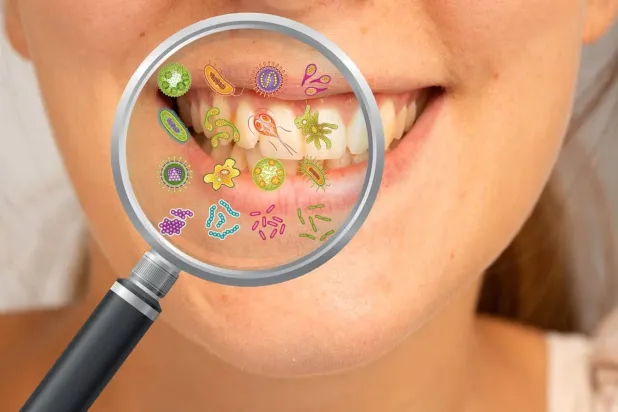
A Chinese study has reported that neglecting oral health may not only affect teeth and gums but could also be linked to an increased risk of developing symptomatic hand osteoarthritis, after establishing a connection between an imbalance of natural oral bacteria and disease severity.
Researchers from Central South University in China explained that the findings provide the first scientific evidence linking oral microbiome imbalance to symptomatic hand osteoarthritis, and highlight the potential role of the 'oral-gut axis' in the development of this condition. The results were published Tuesday in the journal RMD Open.
Symptomatic hand osteoarthritis is a condition affecting the joints of the hand, with symptoms such as pain, stiffness, swelling, and weakened grip strength, which can limit the ability to perform daily activities like grasping objects or writing. It is one of the most common forms of osteoarthritis and significantly impacts quality of life, especially in older adults.
Although the gut microbiome has previously been linked to this disease, the role of the oral microbiome has remained unclear until now.
Oral microbiome imbalance refers to a disruption in the natural balance of bacteria and microorganisms living in the mouth. Under normal conditions, these organisms help maintain oral health, but when this balance is disturbed—with harmful species increasing or beneficial ones decreasing—the risk of oral diseases may increase.
To investigate this, the researchers analyzed saliva samples from 52 individuals with symptomatic hand osteoarthritis and compared them with samples from 712 individuals without the disease, using 16S rRNA gene sequencing to study the composition of oral bacteria.
The results showed that affected individuals had lower diversity of oral bacteria compared to healthy controls, along with notable changes in microbial community composition, indicating an imbalance in the natural oral microbiome.
The researchers also observed a significant increase in Trichococcus bacteria in affected individuals and found that higher levels were associated with increased severity of hand osteoarthritis symptoms, such as pain, stiffness, and functional impairment.
The study also revealed that an increase in this bacterium was associated with heightened activity of the tyrosine amino acid metabolism pathway in the gut microbiome—a metabolic pathway previously linked to hand osteoarthritis—suggesting an interaction between oral and gut bacteria that may contribute to disease development.
Additionally, the researchers noted that the natural correlation between the oral microbiome and the gut microbiome was weaker in patients compared to healthy individuals, indicating a disruption in the 'oral-gut axis,' which is thought to play a role in regulating inflammation within the body.
However, the team emphasized that the study is observational and does not prove that oral bacterial imbalance directly causes hand osteoarthritis, but rather shows an association between them.
The researchers stressed the need for larger, long-term studies to determine whether these microbial changes precede disease onset or occur as a result, and whether improving oral health could help prevent the disease or alleviate its symptoms.
Original source: Asharq Al-Awsat




Comments (0)
Be the first to comment.