Everything You Need to Know About Teeth Whitening: Scientific Facts Away from Rumors
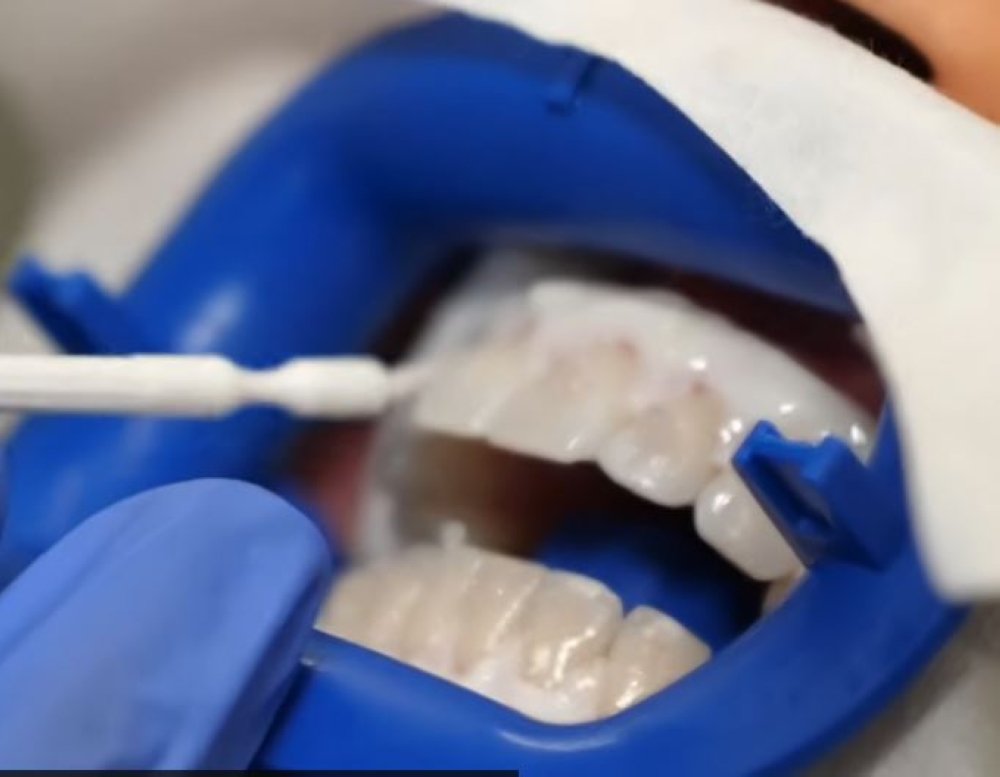
Many people seek accurate information about teeth whitening before undergoing this cosmetic procedure, due to the prevalence of many misconceptions about it.
The result of teeth whitening does not last forever; it typically lasts between one and three years before the color begins to fade gradually due to daily life factors, according to the Saudi Ministry of Health.
Is repeating teeth whitening safe in the long term?
Related news
Excessive teeth whitening carries real risks to oral health, as it leads to increased tooth sensitivity and may cause more serious conditions such as pulpitis or root resorption.
For this reason, it is recommended not to repeat whitening unless a clear regression in tooth color is noticed, while leaving a time interval of at least three months between each treatment period. The damage is not limited to professional whitening procedures; continuous use of whitening toothpaste also damages the enamel layer over time. As for the best available whitening methods, home whitening is the most suitable option from a scientific standpoint, while whitening using trays may be accompanied by temporary problems, most notably tooth sensitivity after sessions.
Misconceptions about teeth whitening
Many false beliefs spread among people about natural teeth whitening methods, and most of them are not based on documented scientific evidence. The claim that rinsing with olive oil whitens teeth is not supported by any scientific study to date, and the common belief that hot drinks affect tooth color more than cold drinks is scientifically incorrect.
Some sources promote alleged natural methods for teeth whitening, such as using strawberries or banana peel, but these claims are false, as there are no foods that actually contribute to lightening tooth color. Some people also resort to scrubbing their teeth with charcoal, believing it is a safe way to whiten, but this practice actually leads to erosion of the protective enamel layer, making teeth more prone to sensitivity and damage in the long term.
Original source: Al-Yaum



Comments (0)
Be the first to comment.