New US Decision on Soldiers Sparks Widespread Medical Debate
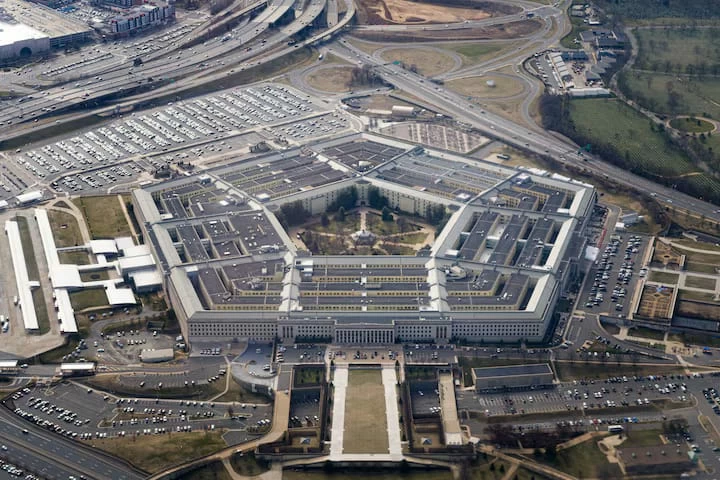
A new decision by U.S. Defense Secretary Pete Hegseth requiring active-duty and reserve military personnel aged 30 and older to undergo annual testosterone level testing has sparked widespread medical debate, with warnings of unnecessary treatments and health complications, while Hegseth says the tests aim to improve physical and mental performance and extend careers.
A new decision by U.S. Defense Secretary Pete Hegseth, requiring active-duty and reserve military personnel aged 30 and older to undergo annual testosterone level testing, has sparked widespread debate in medical circles, amid warnings that the move could lead to unnecessary treatments and health complications instead of enhancing combat readiness.
Hegseth said the tests are intended to ensure soldiers have appropriate testosterone levels, which contributes to improving physical and mental performance, increasing endurance, and extending the professional lifespan of military personnel, stressing that any treatment will remain optional and will be provided after necessary medical consultation.
Experts Question the Decision's Validity
But five out of six men's health experts - according to Reuters - expressed their surprise at the decision, considering that it is not based on sufficient scientific evidence to justify comprehensive testing for all military personnel over the age of thirty.
Four of these doctors pointed to the lack of strong studies proving that universal testing for all military members would lead to improved combat readiness for the U.S. armed forces.
Urologist and member of the medical advisory board for the Rugiet telehealth platform, Dr. Kevin McFarry, said that some patients experience improved focus and endurance after testosterone deficiency treatment, but these results are limited to individuals who exhibited clear symptoms, not healthy individuals.
When is testing recommended?
The American Urological Association and the American Association of Clinical Endocrinology recommend testosterone testing only for individuals who exhibit symptoms indicating hormone deficiency, such as: low libido, erectile dysfunction, chronic fatigue, decreased muscle mass, and low bone density.
Doctors emphasize that providing hormonal therapy without clear symptoms could lead to over-treatment and its associated side effects.
Natural decline with age
Dr. Halim Muhammad, medical director of the Gameday Health network, explained that testosterone levels begin to decrease gradually with age, at a rate of approximately 1% per year after age 30 to 40, but this decline varies from person to person and does not mean that reaching age 30 alone justifies testing.
For his part, Dr. Ogis Gruntmanis, an endocrinologist at Dartmouth Hitchcock Medical Center, said the decision may provide an opportunity to collect scientific data on younger men, but he stressed that implementing widespread testing before adequate studies is a hasty step.
Side effects that may threaten fertility
Although the U.S. Food and Drug Administration recently removed the previous warning about an increased risk of heart attacks and strokes with testosterone therapy, based on a study involving more than 5,200 men aged 45 to 80, the same study revealed increased rates of cardiac arrhythmias and bone fractures in some participants.
Experts - according to Reuters - confirmed that testosterone therapy can significantly affect male fertility, especially in younger men.
Dr. McFarry said that many military personnel are still in the stage of starting families, warning that hormonal therapy could lead to decreased reproductive capacity, with no guarantee of restoring normal function later.
He added that the treatment may also be associated with several other complications, including: increased blood viscosity, prostate issues, acne, hair loss, gynecomastia (breast tissue enlargement in men), and mood swings.
Syndrome affecting special forces
The U.S. Defense Secretary explained that one of the goals of the new program is to address what is known as 'Operator Syndrome,' a condition affecting special forces personnel, such as Delta Force and Navy SEALs, involving low testosterone, traumatic brain injuries, hormonal and metabolic disorders, and sleep problems.
However, Dr. Christopher Froehle, a researcher at the University of Hawaii, explained that this group is exposed to exceptional combat conditions, such as repeated explosions, parachute jumps, and use of heavy weapons, and therefore cannot be considered a model representing all military personnel.
He pointed out that improving sleep, rest, and healthy nutrition may be sufficient for many younger soldiers to restore testosterone levels to normal without needing hormonal therapy.
Are there benefits to testing?
Despite the criticism, some experts believe that testing may be beneficial if conducted according to precise medical standards and under specialist supervision.
Dr. Halim Muhammad explained that some reserve personnel may suffer from obesity, a treatable cause that can lead to low testosterone, stressing that testing could help detect cases that can be managed with lifestyle modifications, in addition to diagnosing those with a genuine deficiency requiring treatment.
In contrast, the U.S. Department of Defense has not yet clarified how to handle abnormal test results, or whether the new policy will be applied in the same way to men and women.
Experts also noted that testing could provide important information about the hormonal health of female servicemembers, even if they do not need testosterone therapy, as the test may reveal other hormonal disorders requiring appropriate medical intervention.
Original source: Okaz





Comments (0)
Be the first to comment.