Pediatric Ophthalmologist Tells Al-Youm: Two Hours Outdoors Daily Reduce Risk of Myopia
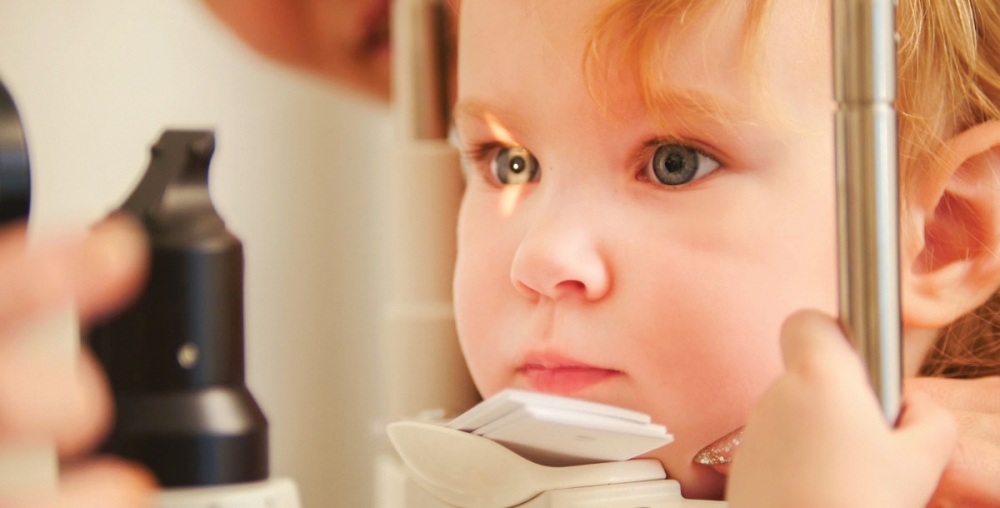
Dr. Israa Ramadan, a senior pediatric ophthalmologist, discusses myopia management in children, highlighting the importance of slowing progression through lifestyle changes, low-concentration atropine drops, advanced lenses, and orthokeratology, while debunking common myths.
Dr. Israa Ramadan, a senior specialist in pediatric ophthalmology, emphasized that managing myopia in children is no longer limited to prescribing glasses to correct vision. Rather, the focus now is on slowing the progression of the condition and reducing its future complications, amid the significant increase in the number of children with myopia in recent years.
What is myopia and how does it begin in children?
Dr. Israa Ramadan said in her interview with Al-Youm that myopia is today one of the most common vision disorders among children worldwide, noting that the condition makes the child see near objects clearly while distant objects appear blurry, due to increased eyeball length or increased refractive power, causing the image to form in front of the retina instead of on it. The condition often begins during school years and continues to develop until the end of adolescence.
Related News
Dr. Israa Ramadan, Senior Specialist in Pediatric Ophthalmology
Slowing Myopia Progression: A Medical Priority
She explained that the interest in slowing myopia progression stems from the fact that its increase is often linked to increased axial length of the eye, which raises the likelihood of future complications affecting visual health, including retinal detachment, myopic retinopathy, glaucoma, and early-onset cataracts. She stressed that the therapeutic goal is no longer just changing the spectacle prescription, but rather reducing the rate of disease progression.
Techniques to Slow Myopia Progression
Regarding the latest methods used to slow myopia progression, she pointed out that low-concentration atropine drops, such as 0.01%, 0.025%, and 0.05%, are among the most effective methods proven by studies in recent years. They help slow the increase in myopia in many children with fewer side effects compared to the higher concentrations used previously. She noted that the appropriate concentration is chosen after evaluation by a pediatric ophthalmologist based on the child's age and rate of progression. She added that medical advances have also included the design of modern spectacle lenses based on advanced optical techniques that help reduce axial elongation while maintaining visual clarity, making them a suitable option for children who prefer not to use contact lenses. She also highlighted the Orthokeratology (night lenses) technique, which involves wearing special lenses during sleep to temporarily reshape the cornea, allowing the child to see clearly during the day without glasses or contact lenses. Studies indicate it may help slow myopia progression in some cases, but it requires careful patient selection, strict hygiene, and medical follow-up to reduce the risk of corneal infections.
Factors Causing Myopia
She confirmed that heredity is one of the most important factors for myopia, along with environmental factors related to lifestyle, explaining that modifying the child's daily behaviors contributes significantly to limiting the condition's progression. Dr. Israa Ramadan provided several preventive recommendations, including encouraging children to spend at least two hours daily outdoors, limiting continuous use of phones and tablets, applying the '20-20-20' rule by looking at an object 20 feet away for 20 seconds every 20 minutes, maintaining an appropriate reading distance and good lighting, and performing regular eye examinations, especially if one parent has myopia. She stressed that the treatment plan varies from child to child, depending on age, degree of myopia, progression rate, eye measurements, and the commitment of the child and family to treatment, emphasizing that appropriate decision-making requires a comprehensive examination by a pediatric ophthalmologist.
Misconceptions About Myopia
Regarding common misconceptions about myopia, she explained that the belief that glasses worsen vision is incorrect; they do not affect disease progression but help the child see clearly and improve academic performance and quality of life. She also refuted the belief that removing glasses improves vision, stressing that not wearing them may lead to blurred vision, difficulty concentrating, and could affect visual development in young children. She added that smartphone use is not the sole cause of myopia, as multiple factors interact, most notably genetic predisposition, lack of outdoor exposure, and excessive near work. She also explained that atropine drops and special lenses do not permanently cure myopia but work to slow its progression and reduce the likelihood of reaching high degrees in the future. She further confirmed that there is no single treatment suitable for all children; rather, the treatment plan is chosen based on individual assessment. She also warned against the belief that a child who sees well does not need an eye exam, noting that some visual problems may go unnoticed by the child or parents, making routine examination at school entry and periodically thereafter crucial. Dr. Israa Ramadan concluded with a message to families, urging them not to wait for the child to complain of poor vision before seeing a doctor, emphasizing that periodic eye examination is one of the most important steps to preserve vision health and prevent future complications.
Original source: Al-Yaum






Comments (0)
Be the first to comment.