Tomato Juice and Obesity... Study Reveals Promising Effect in Reducing Inflammation

Tomatoes and soy have long been associated with multiple health benefits, but a new study suggests that combining their compounds in a specially designed beverage may help reduce inflammation.
Tomatoes and soy have long been linked to various health benefits, but a new small study suggests that combining their compounds in a specially crafted beverage may help reduce inflammation in adults with obesity.
According to a report published by Fox News, researchers at Ohio State University found that adults who consumed two servings daily (6 ounces each) of a beverage containing tomatoes and soy for four weeks experienced a significant decrease in several markers of systemic inflammation.
It was published in the journal Molecular Nutrition & Food Research.
A special beverage, not regular tomato juice
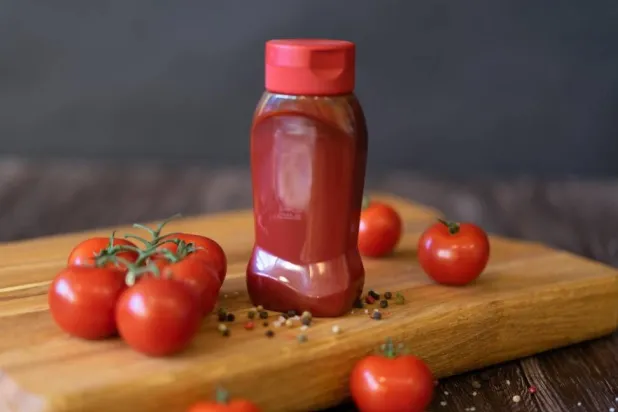
The beverage used in the study was not traditional tomato juice; rather, it was made from tomatoes developed to contain high levels of lycopene, a powerful antioxidant that gives tomatoes their red color. Soy-derived isoflavones, which are natural plant compounds, were also added to it.
The researchers compared this beverage with regular tomato juice, and it turned out that only the enhanced beverage succeeded in lowering three proteins associated with chronic inflammation.
Promising results... but with caution
These findings add to the growing body of evidence examining the role of certain foods and plant compounds in fighting inflammation, yet experts warn against expecting the same results from drinking commercially available tomato juice.
American dietitian Jamie Lee McIntyre, who was not involved in the study, said that the results "support a growing body of research suggesting that bioactive compounds in foods may affect inflammation, but it is important to put the results in their proper context."
She added that the researchers tested a specially prepared beverage containing high concentrations of lycopene and soy isoflavones, rather than a drink that consumers can easily prepare at home.
Limited study size
McIntyre explained that the study included only 12 individuals with obesity over a period of four weeks, which is a limited number that does not allow for drawing general conclusions about long-term health benefits.
She said: "These findings are enough to raise an interesting scientific hypothesis, but they are not enough to say that this beverage will reduce inflammation or improve health outcomes for the general public."
A balanced diet remains the most important factor
McIntyre believes that searching for a single anti-inflammatory food is not the optimal approach, stressing that the focus should be on following a healthy and balanced diet.
She added: "The exciting thing about nutrition research is discovering new ways that foods might support health, but a single small study should not overshadow decades of scientific evidence."
She continued: "For most people, the greatest benefit remains in consistently adhering to a diverse, color-rich diet, rather than chasing the latest nutrition headlines."
The researchers indicated that they plan to conduct broader studies to understand how dietary interventions contribute to reducing chronic inflammation and to evaluate whether these results can translate into long-term health improvements.
"); googletag.cmd.push(function() { onDvtagReady(function () { googletag.display('div-gpt-ad-3341368-4'); }); }); }
Original source: Asharq Al-Awsat



Comments (0)
Be the first to comment.