Waqa warns of 8 diseases transmitted from animals to humans and reveals prevention methods
Waqa warns of 8 diseases transmitted from animals to humans and reveals prevention methods
2026-07-06T12:25:10.717Z
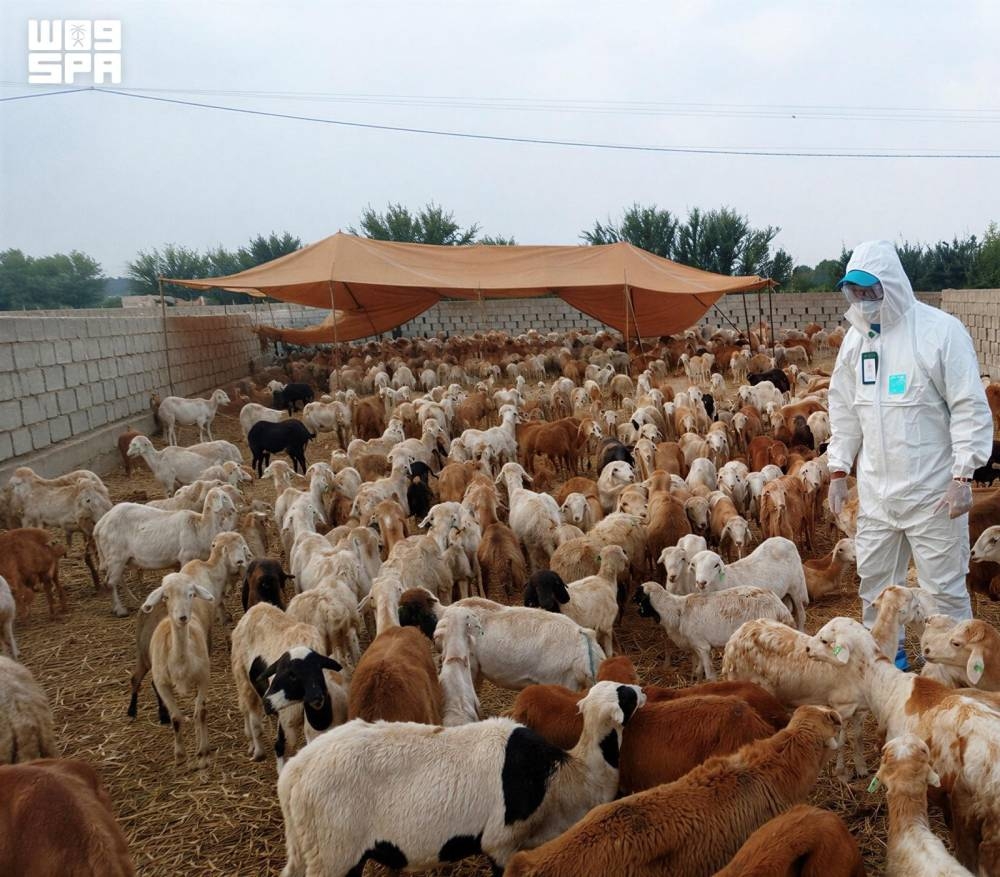
The National Center for the Prevention and Control of Plant Pests and Animal Diseases (Waqa) warned about zoonotic diseases transmitted from animals to humans, such as rabies, brucellosis, and avian influenza, explaining their modes of transmission and emphasizing that limiting their spread begins with vaccinating animals and applying biosecurity measures and personal hygiene.
The National Center for the Prevention and Control of Plant Pests and Animal Diseases (Waqa) warned about infectious diseases transmitted from animals to humans directly or indirectly, known as zoonotic or animal-borne diseases, stressing the need to adhere to preventive measures to limit their spread and protect public health.
Waqa revealed that the most prominent of these diseases are: rabies, brucellosis, Rift Valley fever, Q fever, salmonellosis, bovine tuberculosis, avian influenza, and Middle East respiratory syndrome (MERS).
The center explained that these diseases are transmitted through several routes, most notably: direct contact with infected animals or their secretions and waste, exposure to bites or scratches from infected animals, bites from disease-carrying insects, consumption of unsafe or undercooked animal products of unknown origin, in addition to environmental contamination from animal waste.
Waqa emphasized that limiting the spread of these diseases begins with adherence to a set of preventive measures, including: vaccinating animals according to veterinary guidelines, isolating sick animals and avoiding contact with them, applying biosecurity measures in barns and controlling insects and rodents, purchasing animal products from reliable and known sources, and ensuring personal hygiene after handling animals.
Original source: Sabq





Comments (0)
Be the first to comment.