Our Journalism and the Writer's Integrity!
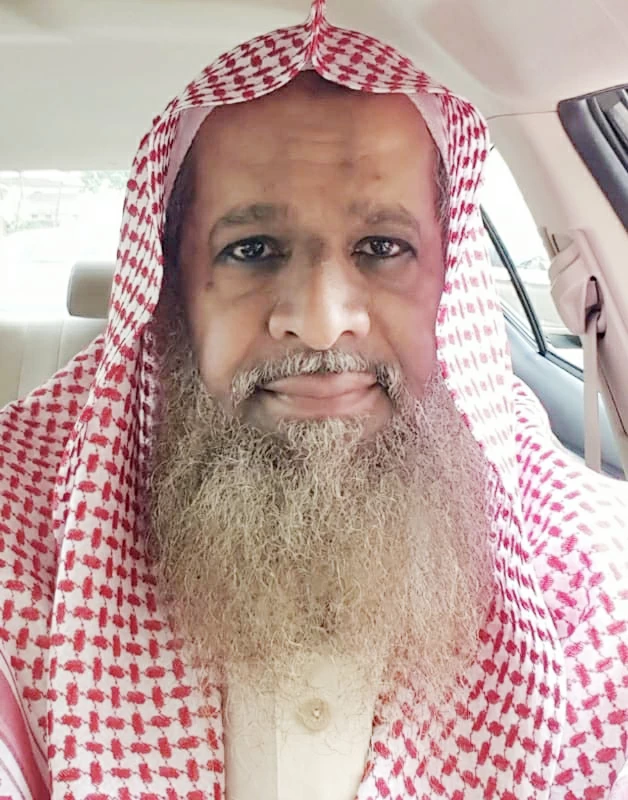
In a time past, the word had its awe, and journalism its brilliance. Our writers would grace us from the pages of towering newspapers, their names adorning those pages, and their articles immortalized in the reader's memory. Their writers were great literary and journalistic figures, hard to give them their due, as they imposed their presence with honest writing, refined style, and noble mission on the pages of 'Her Majesty'—as journalism was called. But today, the scene has changed. Technology arrived, the 'keyboard' appeared, smartphones became accessible to everyone, and social media platforms opened wide doors for publishing and circulating news in moments...
The world has never witnessed such wealth in its history as it does today, nor has the global economy reached the size it has in this era. Yet poverty has not disappeared, nor has the gap between rich and poor narrowed to the extent many economists predicted. In fact, the great paradox is that the world is growing richer, while the feeling of inequality is increasing.
Reports from the World Bank and the United Nations indicate that hundreds of millions of people still live in poverty, despite tremendous scientific and technological progress. Furthermore, a large proportion of global wealth is concentrated in the hands of a limited number of individuals and companies, while millions face difficulties in obtaining quality education, healthcare, housing, and decent job opportunities.
Globalization has contributed to raising living standards in many countries and lifted hundreds of millions out of poverty, especially in Asia. But at the same time, in some economies, it has led to a widening gap in incomes and wealth, as the more educated groups and those better able to invest in technology benefited at a faster rate than others.
Then the digital revolution added a new dimension to this gap. The modern economy rewards knowledge and innovation more than ever before, and giant tech companies have achieved market values exceeding the economies of entire countries. In contrast, traditional jobs face increasing pressure due to automation and artificial intelligence, posing challenges for less skilled workers.
The effects of the widening wealth gap are not limited to the social side, but extend to the economy itself. When wealth is excessively concentrated, consumption among low-income groups weakens, opportunities for social mobility decline, and this reflects on growth and stability rates, increasing pressure on public policies.
The Organization for Economic Co-operation and Development (OECD) indicates that investment in education, training, health, women's empowerment, and support for small and medium enterprises are among the most effective policies in reducing inequality and achieving more inclusive economic growth.
In Saudi Arabia, the Vision represents a model of development that not only focuses on increasing GDP, but also seeks to expand economic opportunities, raise home ownership rates, empower youth and women, develop the non-profit sector, improve quality of life, and enable them to education, work, and healthcare, giving them a fair chance to participate in shaping the future.
The question remains: Can poverty be eradicated in the world? Perhaps complete eradication of poverty is an extremely difficult goal, but reducing it and mitigating its effects is a goal that can be achieved if the right policies, investment in people, governance, and fairness in access to opportunities are available.
Original source: Okaz


Comments (0)
Be the first to comment.