Artificial Intelligence: New Roles and Promising Opportunities Between Automation and Innovation

يستعرض الخبير الدكتور علي الحازمي تأثيرات تقنيات الذكاء الاصطناعي على إعادة تشكيل القوى العاملة، ودور قادة الموارد البشرية في تأهيل الكفاءات لبناء اقتصاد رقمي تكاملي.
Artificial Intelligence: New Roles and Promising Opportunities Between Automation and Innovation
At a time when artificial intelligence has become an economic foundation, reshaping global labor markets by changing the nature of jobs, creating increasing demand for new skills, and redistributing roles between humans and machines—raising many questions about the future of the workforce, the readiness of public and private sector institutions to deal with rapid transformations in the work environment, and the role of human resources leaders in leading the process of reskilling, attracting talent, and building an institutional culture capable of keeping pace with the digital economy—the broader questions appear to be:
What role does artificial intelligence play in reshaping the workforce in Saudi sectors and labor markets?
What role should human resources leaders play in leading this transformation?
Which jobs are expected to see a significant increase in demand?
Dr. Ali Al-Hazmi, an expert in human capacity development and artificial intelligence technologies, emphasized that today's HR leader is a leader of transformation. Their role is to retrain humans to work alongside artificial intelligence. Al-Hazmi believes that the task of HR is to build a new culture based on continuous learning and to turn fear of AI into an opportunity to develop human skills that machines cannot replace. He considers creativity, critical thinking, emotional intelligence, and leadership as the new currency. Those who lack their humanity will not be able to compete in the age of artificial intelligence. He predicts three waves of jobs: first, technical jobs that build AI; second, jobs linking business and AI; and third—the most important in Al-Hazmi's view—human jobs in training, creativity, leadership, and care. The future, he says, lies not in competing with machines, but in collaborating with them.
Al-Hazmi also believes that the equation for survival and excellence in the age of artificial intelligence rests on two equal pillars: first, technical skills—understanding AI, mastering its tools, and using it intelligently to serve work and improve productivity; and second, human skills—the new currency in the future market, including creativity, critical thinking, emotional intelligence, and leadership. These are what distinguish humans and are difficult for machines to imitate.
Dr. Fares Al-Saedi, Assistant Professor of Human Resource Management at King Abdulaziz University, described the role HR leaders should play in leading this transformation as "engineers of human transformation within organizations." He said: Their role is to lead the shift from fear to opportunity, and from replacing humans to empowering them. Every technology adds speed, but only humans add meaning. Successful leadership makes artificial intelligence a partner to minds, not a substitute for them.
He added: Digital transformation changed the tools we work with, but artificial intelligence changes the nature of work itself. In the past, machines executed what we asked; today, they participate in analysis, prediction, and decision-making. Therefore, the question is no longer: How do we automate tasks? Rather: How do we redefine the role of humans in an environment where human and digital minds work side by side?
Regarding the skills employees must acquire to ensure the sustainability of their careers, he said: The most important skill is no longer what you know, but your ability to learn anew. Demand will remain high for critical thinking, problem-solving, emotional intelligence, and understanding AI tools and using them wisely. The more machines advance in calculation, the more humans gain value in judgment, creativity, and persuasion.
Dr. Al-Saedi confirmed that the jobs expected to see a significant increase in demand are those at the intersection of humans and technology, such as data analysis, AI governance and ethics, human experience design, cybersecurity, and skills development and continuous learning. The future will not belong to the most knowledgeable, but to those most capable of turning knowledge into value and technology into impact.
AI and media researcher Rawan Al-Ruwathi, in discussing the most important skills employees must acquire to ensure the sustainability of their careers, said: Among the most important are continuous learning and the ability to use AI tools, because these tools are constantly changing, and those who can learn will remain able to keep pace with the future, along with emotional intelligence, critical thinking, and flexibility in adapting to changes. Today, a degree and technical experience alone are insufficient. Therefore, these skills will remain in demand no matter how technology evolves, emphasizing that investment in human development is no less important than investment in technology.
In another vein, Saud Basim Al-Hazmi, who is interested in real estate market analysis and urban and regional planning, called for organizing workshops and training courses to help employees understand artificial intelligence and use it correctly, with clear goals that encourage its application in their daily work, because it has become an essential part of the work environment. He stressed that the most important skills employees must acquire today to ensure the sustainability of their careers are "knowing how to deal with AI tools, benefiting from them in data analysis, presenting results, and supporting decision-making, along with continuous learning to keep pace with the development of these technologies." He emphasized the importance of proactive plans to monitor the future needs of the Saudi labor market and identify jobs in demand and those with declining demand.
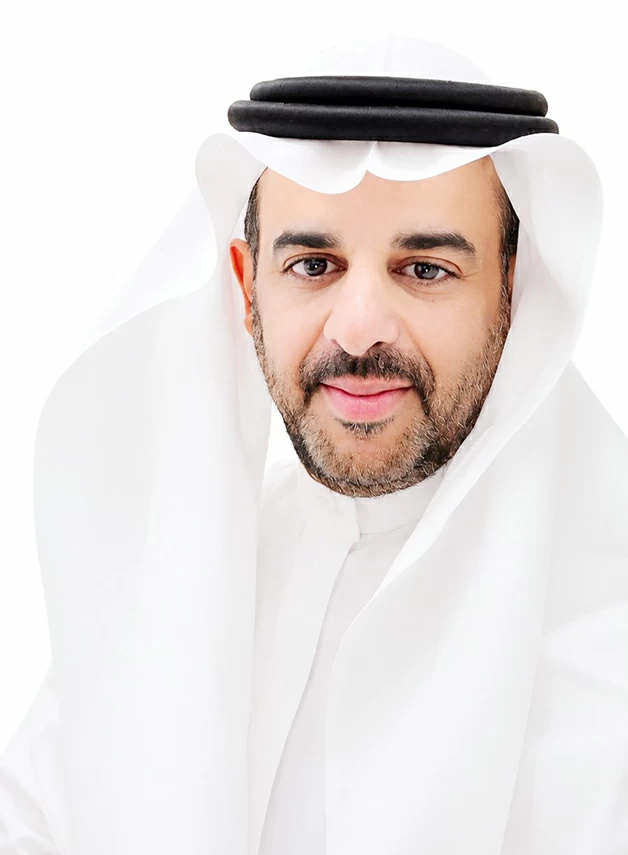
Saud Basim Al-Hazmi
Dr. Ali Al-Hazmi
Dr. Fares Al-Saedi
Original source: Al-Riyadh




Comments (0)
Be the first to comment.