496 Violations for Feeding Baboons
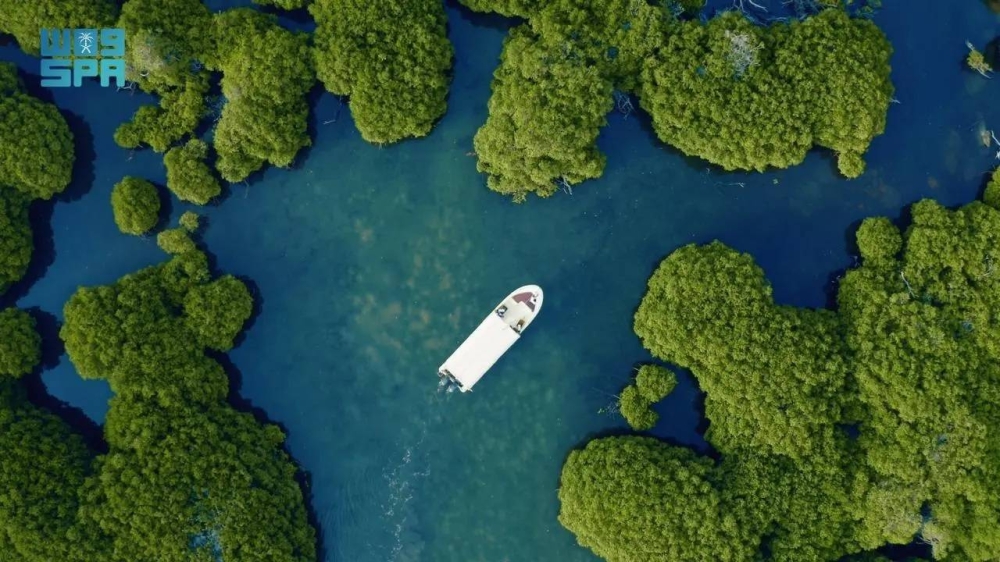
Terrestrial reserve coverage saw a notable increase of 18% last year, according to indicators from the National Center for Wildlife Development. Marine reserve coverage reached 16%, and the number of invertebrate species recorded in the database grew by 62%, with 8,000 species recorded last year compared to 3,000 in 2024. Meanwhile, 1,593 wildlife organisms were reintroduced to their natural habitats, the total winter bird count reached 140,000 seabirds, and over 1,219 marine organisms were sighted. Genetic diversity: The report of the National Center for Wildlife Development for 2025 revealed that 39% of species have their genetic diversity preserved, and 7 breeding programs for wildlife species were recorded. Last year also saw qualitative achievements in the path of wildlife development and ecosystem protection in the Kingdom, most notably the inclusion of Farasan Island Reserve in the Ramsar Convention list for the conservation and sustainable use of wetlands, a first for the Kingdom. Farasan Island Reserve hosts more than 40% of biodiversity, including mammals, reptiles, amphibians, fish, invertebrates, and various microorganisms that form complex and overlapping ecosystems. Inspection tours: Reserve rangers conducted 74,000 inspection and monitoring tours across all protected areas to ensure the protection and sustainability of natural resources. Integrated and sustainable treatment of baboon problems reached 80,912 treatments, with 532 hotspots detected, and total treatments since the project's start reached 137,925. Asir region has the highest density of baboons, achieved the highest number of treatments and the highest rate of violations. Violations for feeding baboons in nature reached 496. The integrated treatments for the spread of stray animals in reserves are an exceptional experience aimed at reducing the negative impacts on biodiversity and ecosystem balance in these sites. Total treated stray animals reached 389. 166,000 licenses: The National Center for Wildlife Development issued 165,858 licenses last year, and conducted 27,713 inspection, awareness, periodic, and field visits to markets and commercial establishments. Inspection visits for received wildlife organisms recorded 145 inspection visits, 826 violations, and 311 reports. Violations monitoring: The Wildlife Crime Combat Department received 736 reports and violations observed on websites and social media, including 506 violations on websites compared to 92 violations on social media that were responded to, and 672 violations were processed. 138 reports were received by the Wildlife Crime Combat Department, and cases received from relevant enforcement agencies amounted to 1,420 cases. Terrestrial reserves: 16% marine reserve coverage. 8,000 recorded invertebrate species. 1,593 reintroduced wildlife organisms. 39% of species with genetic diversity preserved. 7 breeding programs for wildlife species. 74,000 inspection and monitoring tours. 138 reports received for wildlife crime combat. 1,420 cases received from enforcement agencies. 166,000 licenses issued. < Previous PageNext Page >
Original source: Al-Watan




Comments (0)
Be the first to comment.