Al-Asif Bids Farewell to Farasan After 123 Days of Harvest
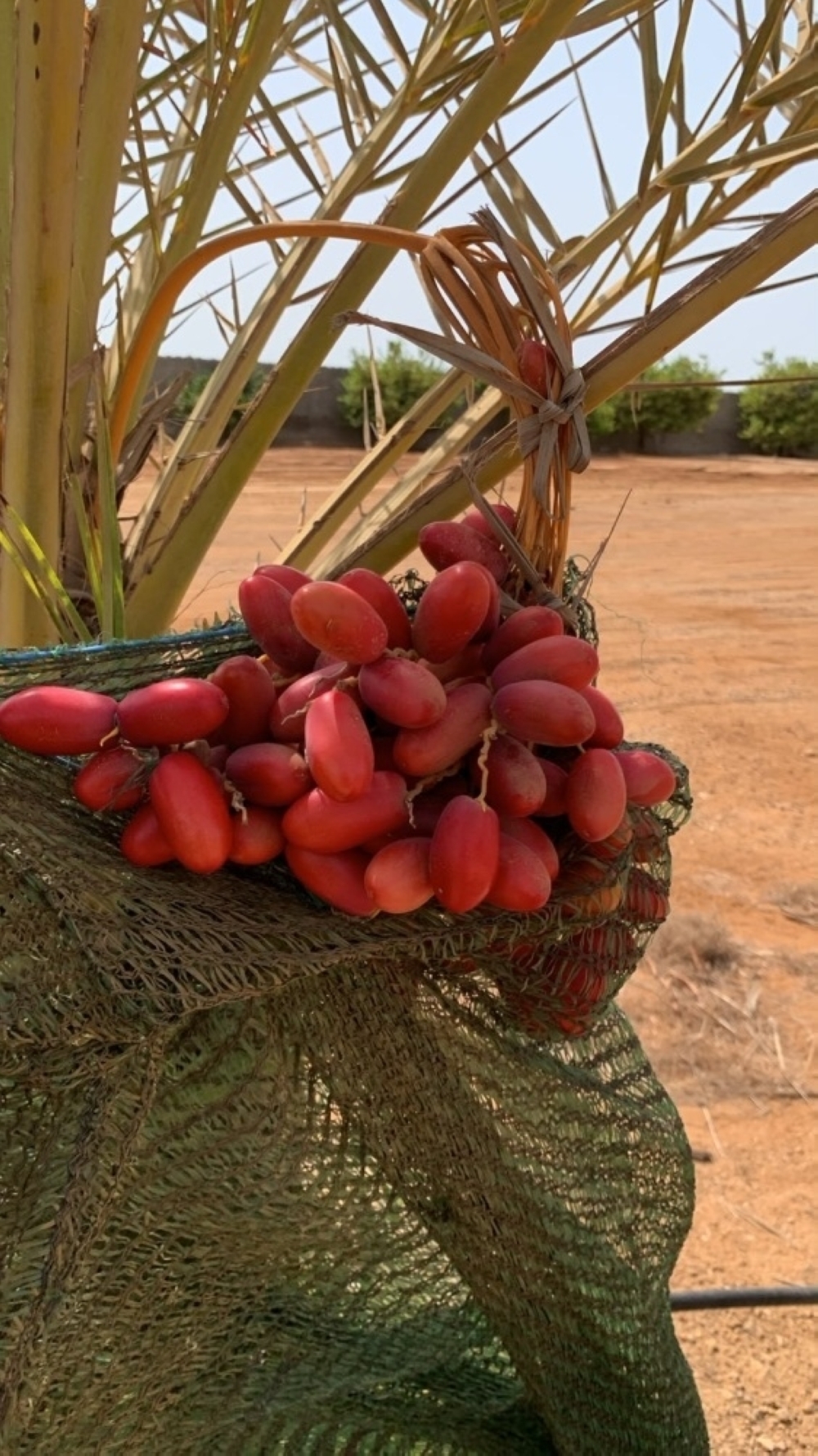
Residents of the Farasan Islands in the Jazan region have concluded the 'Al-Asif' season, one of the archipelago's most prominent agricultural and heritage seasons, after 123 days of agricultural, social, and economic activity that revitalized palm groves and cemented the date palm's status as a symbol of Farasan identity. 10,000 palm trees The season saw the harvesting of fresh dates in the villages of Al-Qassar, Al-Muharraq, Al-Suwaid, Khatb, and Khawla, which house more than 10,000 palm trees, with an annual production of about 2,000 tons of fresh and dried dates, indicating the economic and agricultural role of palm trees in the governorate. Al-Suwaid village is considered...
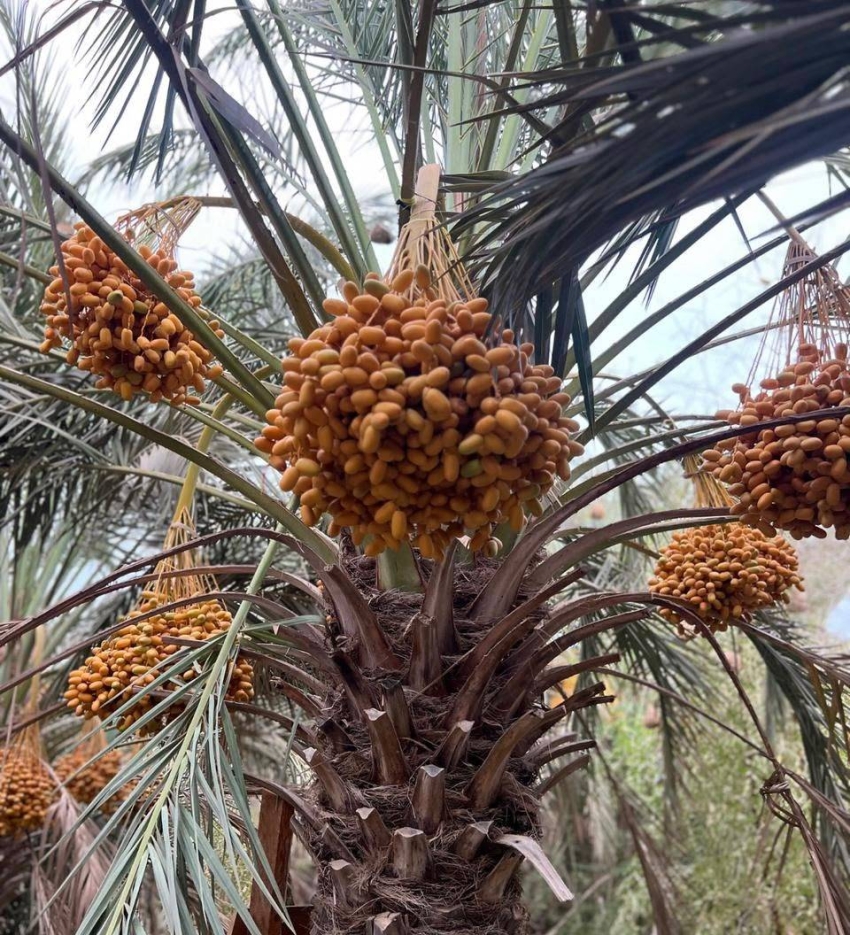
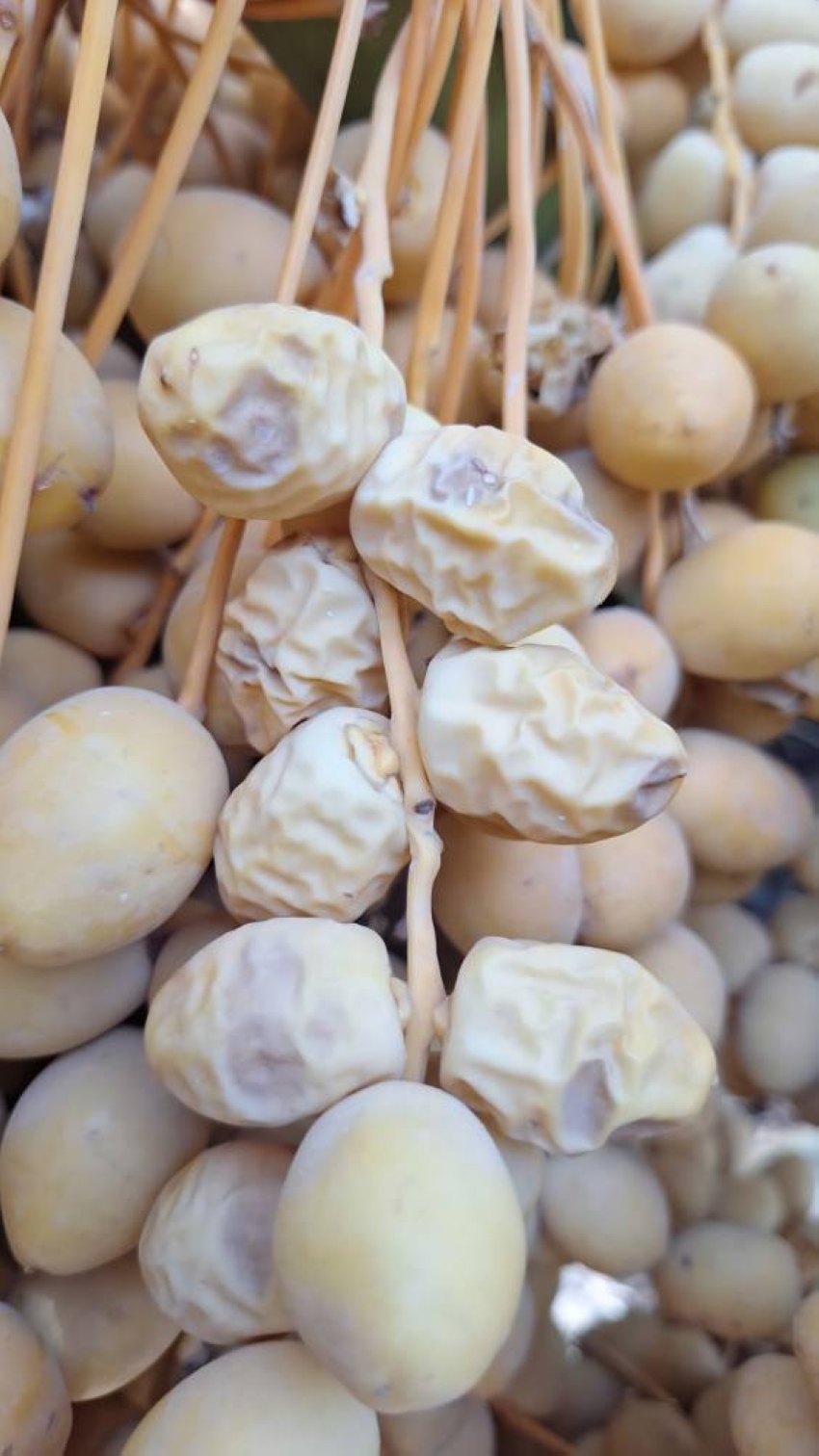
Residents of the Farasan Islands in the Jazan region have concluded the 'Al-Asif' season, one of the archipelago's most prominent agricultural and heritage seasons, after 123 days of agricultural, social, and economic activity that revitalized palm groves and cemented the date palm's status as a symbol of Farasan identity. 10,000 palm trees The season saw the harvesting of fresh dates in the villages of Al-Qassar, Al-Muharraq, Al-Suwaid, Khatb, and Khawla, which house more than 10,000 palm trees, with an annual production of about 2,000 tons of fresh and dried dates, indicating the economic and agricultural role of palm trees in the governorate. Al-Suwaid village is the largest cluster of palm farms in the Farasan Islands, containing about 200 farms, making it one of the most important centers for fresh and dried date production and a destination for those interested in local products and agricultural heritage. Winds and heritage The 'Al-Asif' season derives its name from the northwest winds that blow over the Farasan Islands during the summer months, and historically it has been associated with families moving to the palm villages, foremost among them Al-Qassar, to participate in the harvest, a scene that embodies the values of cooperation and solidarity among the residents. Inherited expertise Farmer Mohammed Ibrahim Suhail told 'Al-Watan' that the fresh date season is a deeply rooted social and heritage occasion in the memory of Farasan residents, as families gather to participate in the harvest, while preparations for the season begin early by preparing farms, caring for the palm trees, and monitoring the fruit until harvest time, relying on agricultural expertise passed down through generations. He pointed out that Farasan palm trees are distinguished by the diversity of their varieties and the quality of their produce, especially local varieties, and the fresh dates are collected manually using traditional methods, then preserved and prepared using inherited techniques, keeping the season an occasion that revives social customs and the exchange of fresh dates among residents. Suhail explained that the end of the harvest season marks the beginning of a new phase that includes drying and preserving fresh dates, along with caring for the palm trees and preparing them for the next season, ensuring the sustainability of this agricultural heritage. Production costs He added that palm cultivation faces challenges such as high production costs, labor shortages, and climate fluctuations, but reliance on modern irrigation systems and organic fertilizers has helped improve production and maintain the trees. He emphasized that the date palm remains a source of livelihood for the residents and a symbol of local identity, calling for the development of the season by improving marketing and packaging, and creating seasonal markets that enhance the presence of local products and link them to tourism, thereby supporting the local economy and preserving the ancient agricultural heritage.
< Previous PageNext Page >
Original source: Al-Watan



Comments (0)
Be the first to comment.