AlUla and KAUST Launch Program to Track Threatened Lappet-faced Vulture with GPS Technology

The Royal Commission for AlUla, in collaboration with King Abdullah University of Science and Technology (KAUST), has launched a specialized program to track the Lappet-faced Vulture using the Global Positioning System (GPS), as part of its efforts to conserve wildlife and employ scientific research to protect endangered species.
The initiative comes under a research partnership with KAUST, aiming to employ advanced technologies and analyze environmental data to support the protection of wildlife species and develop sustainable management decisions for protected areas based on scientific foundations.
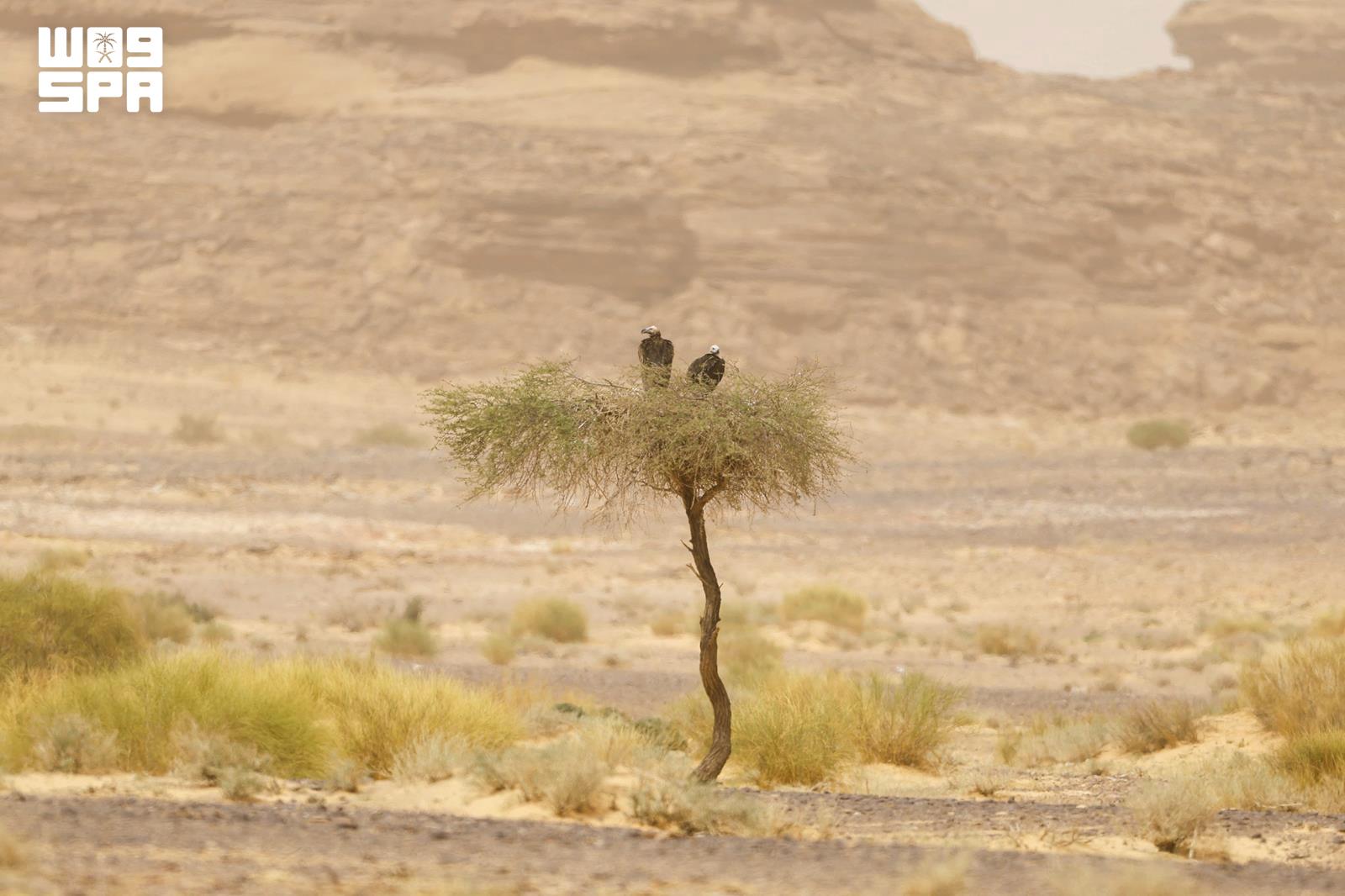
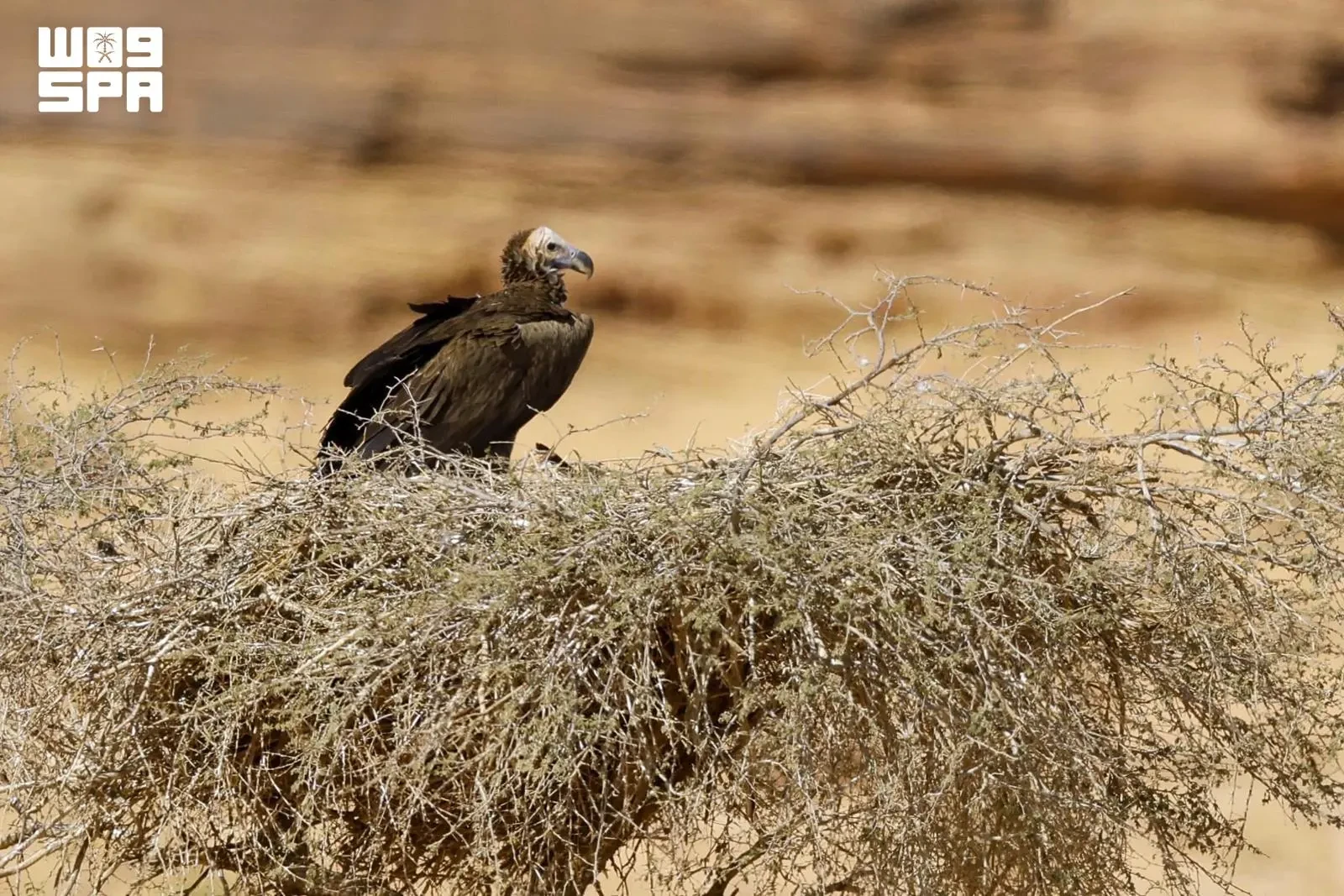
The program's activities included installing a solar-powered tracking device on one of the Lappet-faced Vultures, following the monitoring of an active nest, field observation, and conducting necessary veterinary checks before returning it to its nest.
The program aims to collect field data on the movements and behavior of the Lappet-faced Vulture, identify important habitats, environmental needs, movement routes, and monitor potential risk areas, thereby supporting efforts to protect natural habitats.
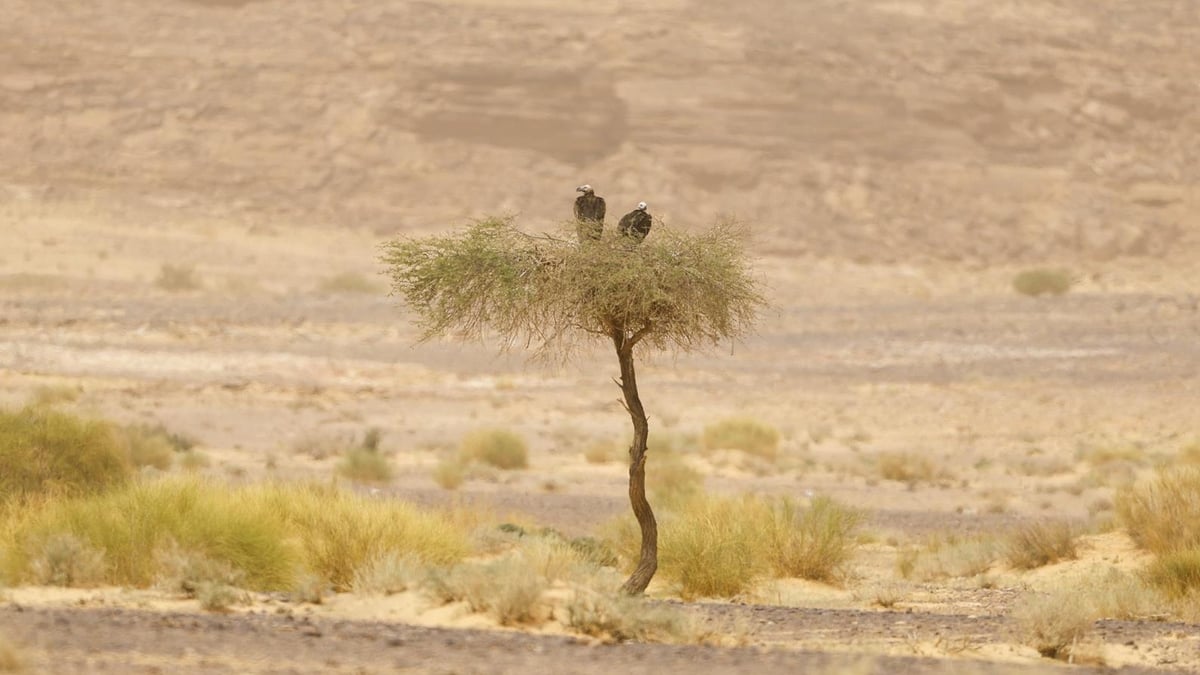
Field monitoring results indicate that between 20 and 30 individuals of the Lappet-faced Vulture are regularly recorded in AlUla, representing approximately 2.5% of the national population of this species. Meanwhile, four breeding pairs were observed in the region during the current season, including the pair that raised the vulture equipped with the tracking device.
The Lappet-faced Vulture is one of the largest vulture species in its geographical range and is classified as an endangered species according to the International Union for Conservation of Nature (IUCN) Red List. It is also considered an indicator species for ecosystem health, as vultures play a pivotal ecological role in removing carcasses, recycling nutrients, and maintaining the balance of ecosystems.
The data generated from the program is expected to contribute to studies related to nesting sites, food sources, and movement routes, in addition to supporting long-term planning for the management of protected areas in AlUla.
The program is part of the Royal Commission for AlUla's work in environmental monitoring and biodiversity, which includes monitoring wildlife species, conducting environmental studies, and restoring natural habitats, in support of the targets of the Saudi Green Initiative and the Kingdom's Vision 2030.
Original source: Sabq

Comments (0)
Be the first to comment.