Arab Youth Ambassador: Kingdom a Global Model in Investing in People and Empowering Youth

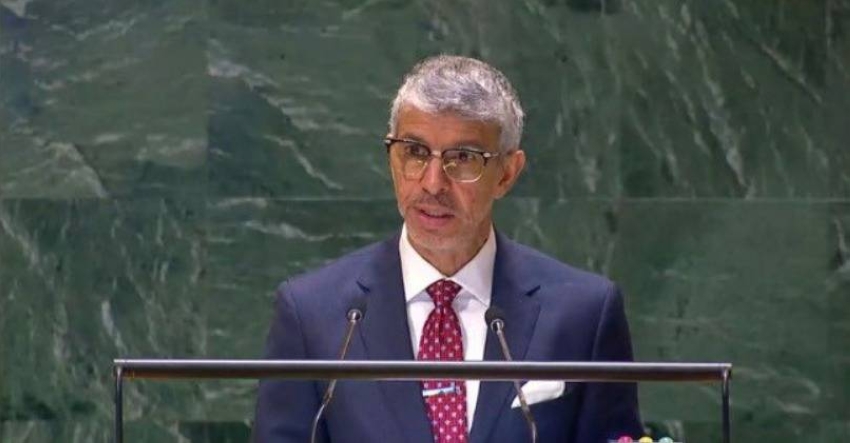
The Arab Youth Ambassador for the Gulf Cooperation Council countries and member of the Advisory Board of the Arab Youth Council, Mohammed bin Ayed Al-Hajri, affirmed that the World Youth Skills Day, celebrated on the fifteenth of July each year, represents an important international occasion to renew commitment to investing in people, enhancing youth capabilities and empowering them with knowledge, skills, and expertise, considering them the cornerstone of sustainable development and the makers of nations' futures.
Al-Hajri said in a statement that the world is witnessing rapid transformations driven by the Fourth Industrial Revolution, artificial intelligence, and the digital economy, making the possession of future skills a national and strategic necessity, not merely a developmental option, stressing that countries that invest in their youth today will lead the world tomorrow.
He pointed out that Saudi Arabia has become a global model to be emulated in this field, thanks to the ambitious vision led by the leadership under Custodian of the Two Holy Mosques King Salman bin Abdulaziz and Crown Prince and Prime Minister Prince Mohammed bin Salman bin Abdulaziz - may God protect them - as the Kingdom placed youth at the heart of its national project and made their empowerment and capacity building one of the most prominent pillars of Vision 2030.
Al-Hajri explained that what has been achieved in the Kingdom over the past years has gone beyond being training programs or individual youth initiatives, becoming an integrated national system for building human capital, investing in quality education, innovation, entrepreneurship, digital transformation, scientific research, artificial intelligence, and future skills, qualifying Saudi youth to compete in regional and international forums.
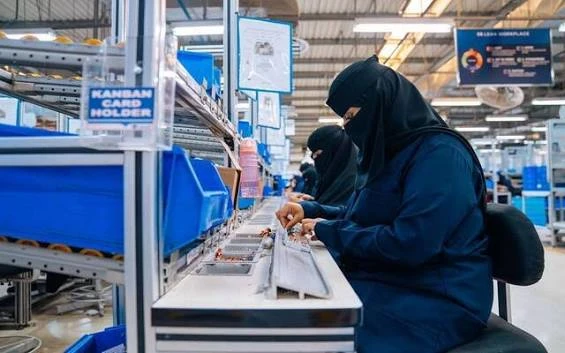
He drew attention to the achievements of the Kingdom in global competitiveness indicators, the increased participation of youth in the labor market, and the expansion of training and qualification opportunities, reflecting the success of the national vision in transforming youthful energies into a force for production and innovation and a key partner in decision-making, which has earned the Saudi experience widespread praise from international institutions and organizations.
He affirmed that the Kingdom did not limit itself to building the capacities of its youth, but its impact extended to supporting Arab, Islamic, and international youth initiatives, promoting civilizational dialogue, spreading a culture of moderation and tolerance, and enabling youth to contribute to achieving security, peace, and sustainable development.
Al-Hajri warned that future skills are no longer limited to technical aspects, but include character building, development of critical thinking, creativity, teamwork, leadership, and social responsibility, elements that the Kingdom has been paying great attention to within its national programs to prepare a generation capable of leading the future.
Al-Hajri called on educational institutions, universities, the public and private sectors, and civil society organizations to unify efforts to invest in developing youth skills, provide stimulating educational and training environments, and link educational outcomes to future labor market needs.
He concluded his statement by affirming that Saudi Arabia proves day after day that building human capital is the greatest investment, and that empowering youth is the shortest path to building a more prosperous and sustainable future, reiterating pride in the leadership's attention to youth on their World Skills Day.
Original source: Sabq
Comments (0)
Be the first to comment.