Astronomical Phenomena Adorn the Sky of Imam Turki bin Abdullah Royal Reserve
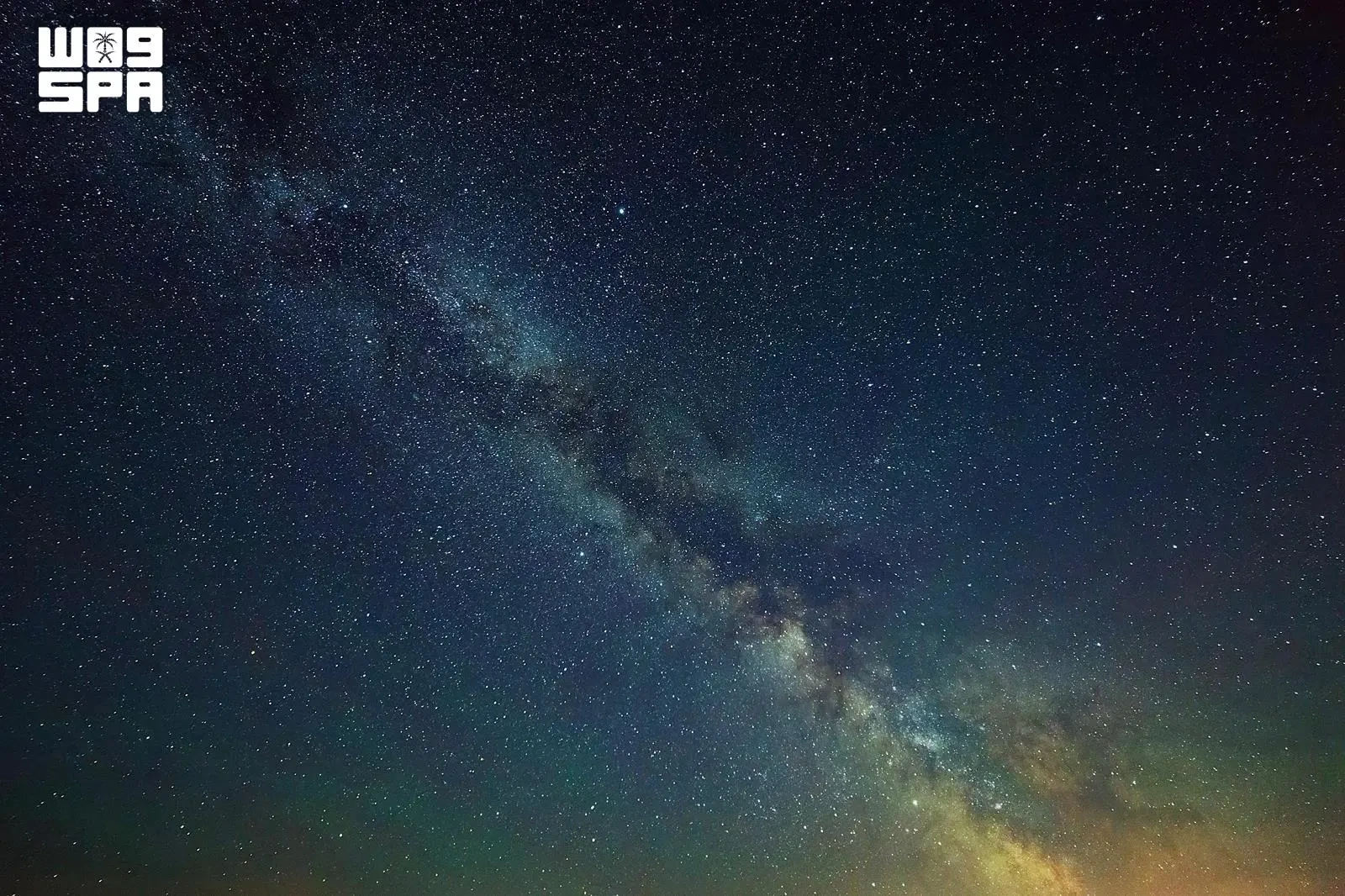
The sky of the Imam Turki bin Abdullah Royal Reserve is witnessing during the current month of July a series of diverse astronomical phenomena and sights, attracting amateur observers, astrophotographers, and space science enthusiasts.
Moon-Venus conjunction on July 17
The reserve is characterized by a vast desert environment and ideal conditions for following celestial events, especially at the 'Dark Sky' site in the Great Nafud Desert, which is considered one of the most prominent astronomical observation sites in the kingdom.
These astronomical phenomena began with the conjunction of Mars and Uranus on July 4, the last quarter moon on July 7, then the conjunction of Venus with the star Aldebaran on July 9, and the conjunction of the moon with the Pleiades on July 11, while the new moon phase occurs on July 14.
The reserve's sky on July 17 witnesses the conjunction of the moon with Venus, followed by the first quarter moon on July 21, then the conjunction of the moon with the star Antares on July 25, and the full moon on July 29, while the month concludes with the peak of the Delta Aquariid meteor shower on July 30, which is one of the most prominent annual meteor showers.
The reserve is considered one of the most suitable natural sites for sky and astronomical observation in the kingdom, thanks to its vast area and low levels of light pollution, providing a suitable environment for monitoring celestial bodies and enjoying cosmic scenes throughout the year.
These phenomena contribute to enhancing interest in astronomy, spreading observation culture among community members, as well as highlighting the environmental and natural features of the reserve, and establishing its position as a distinguished destination for eco- and astro-tourism in the kingdom.
Original source: Akhbaar24





Comments (0)
Be the first to comment.