Cultural: Materials for Writing Revelation in the Prophetic Era – Historical Testimonies at the Holy Quran Museum in Makkah
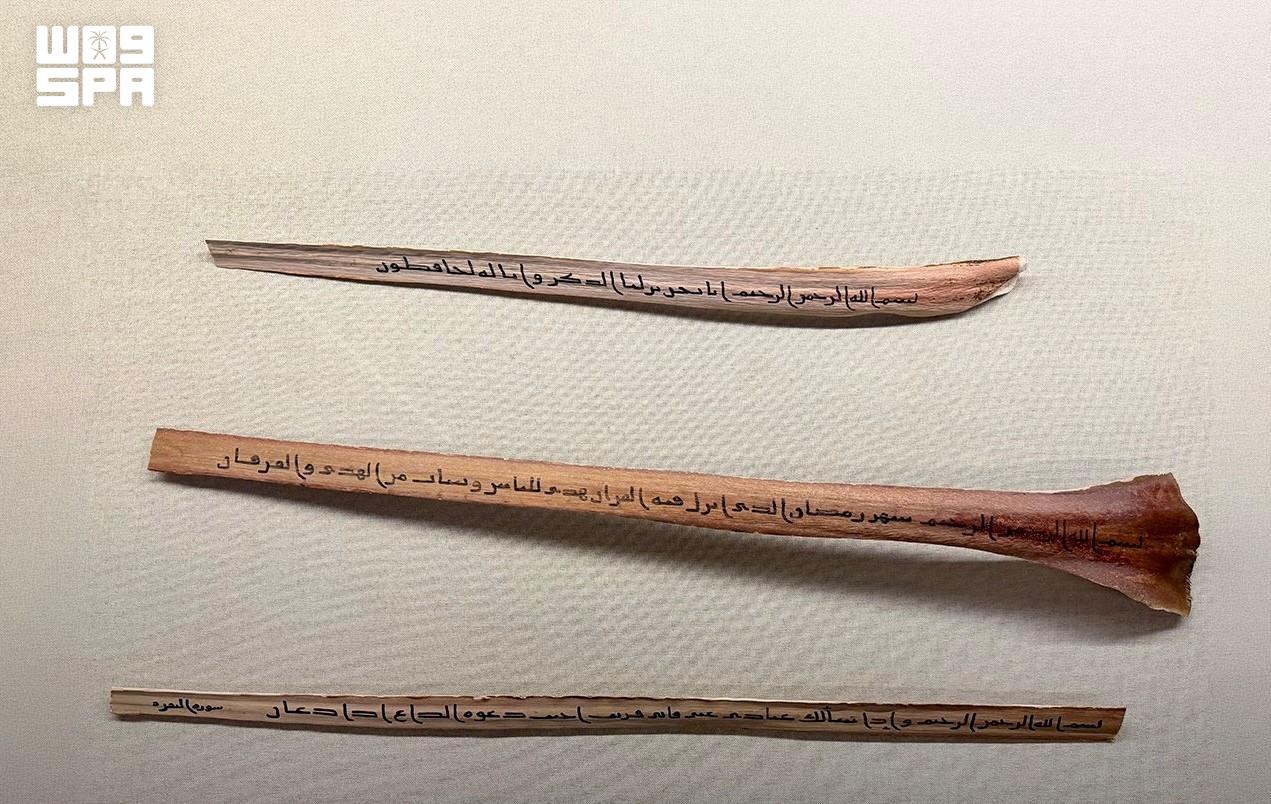
Makkah Al-Mukarramah, 28 Muharram 1448 AH, corresponding to July 13, 2026 AD, SPA. Islamic history preserves bright pages of care for the Holy Quran since the beginning of the revelation, as the scribes of revelation among the companions of the Messenger of Allah, peace be upon him, hastened to write down the noble verses on whatever materials were available in their environment, in a form that embodies the great interest in preserving and documenting the Book of Allah since the prophetic era. The Holy Quran Museum in the Hira Cultural District in Makkah Al-Mukarramah displays approximate models of the materials on which the Holy Quran was written in the prophetic era, offering visitors an educational experience documenting the beginnings of writing revelation and introducing them to the means used by the companions, may Allah be pleased with them, in writing down the Quranic verses. The exhibits include models simulating leather parchments, palm fronds (leaf stalks), pieces of wood and stone, in addition to animal materials such as bones, including shoulder blades and ribs, and other materials used in writing revelation before the Quran was compiled into a single mushaf, in a museum display combining historical authenticity and interactive style. Tanned leather (adim) was among the most prominent materials used in writing the Holy Quran in the prophetic era, due to its durability and ability to preserve texts, as it was prepared from animal skins after tanning and preparing them for writing, making it one of the most important media on which the verses of the Holy Quran were written in the early days of revelation. These models highlight an important aspect of the history of Quranic writing, reflecting the capabilities available at that time and confirming the keenness of early Muslims to document the words of Allah immediately upon revelation, following the directives of the Prophet, peace be upon him, who called on the scribes of revelation to write down the verses and specify their positions within the surahs. The museum provides accompanying explanatory descriptions for the exhibits, explaining the characteristics of each material, the reasons for its use, and how writing was done on it, giving visitors a realistic impression of the environment that witnessed the revelation of the Holy Quran and the efforts made to preserve and record it until it reached the nation preserved as it was revealed. The Holy Quran Museum is one of the most prominent cultural facilities in the Hira Cultural District, offering a comprehensive educational journey highlighting the history of the Holy Quran and its sciences, the stages of its writing and compilation, and the development of the noble mushaf through the ages, through modern exhibition halls and interactive technologies that combine scientific content and visual presentation, enriching the visitor experience and strengthening their connection to the Book of Allah. The museum is part of the cultural system hosted by the Hira Cultural District, aimed at highlighting the Islamic and historical heritage associated with Makkah Al-Mukarramah, and introducing visitors to the main milestones in the history of revelation, through educational content and interactive experiences that contribute to instilling civilizational and cultural awareness among various segments of society. // End // 14:18 T M 0084
Makkah Al-Mukarramah, 28 Muharram 1448 AH, corresponding to July 13, 2026 AD, SPA. Islamic history preserves bright pages of care for the Holy Quran since the beginning of the revelation, as the scribes of revelation among the companions of the Messenger of Allah, peace be upon him, hastened to write down the noble verses on whatever materials were available in their environment, in a form that embodies the great interest in preserving and documenting the Book of Allah since the prophetic era. The Holy Quran Museum in the Hira Cultural District in Makkah Al-Mukarramah displays approximate models of the materials on which the Holy Quran was written in the prophetic era, offering visitors an educational experience documenting the beginnings of writing revelation and introducing them to the means used by the companions, may Allah be pleased with them, in writing down the Quranic verses. The exhibits include models simulating leather parchments, palm fronds (leaf stalks), pieces of wood and stone, in addition to animal materials such as bones, including shoulder blades and ribs, and other materials used in writing revelation before the Quran was compiled into a single mushaf, in a museum display combining historical authenticity and interactive style. Tanned leather (adim) was among the most prominent materials used in writing the Holy Quran in the prophetic era, due to its durability and ability to preserve texts, as it was prepared from animal skins after tanning and preparing them for writing, making it one of the most important media on which the verses of the Holy Quran were written in the early days of revelation. These models highlight an important aspect of the history of Quranic writing, reflecting the capabilities available at that time and confirming the keenness of early Muslims to document the words of Allah immediately upon revelation, following the directives of the Prophet, peace be upon him, who called on the scribes of revelation to write down the verses and specify their positions within the surahs. The museum provides accompanying explanatory descriptions for the exhibits, explaining the characteristics of each material, the reasons for its use, and how writing was done on it, giving visitors a realistic impression of the environment that witnessed the revelation of the Holy Quran and the efforts made to preserve and record it until it reached the nation preserved as it was revealed. The Holy Quran Museum is one of the most prominent cultural facilities in the Hira Cultural District, offering a comprehensive educational journey highlighting the history of the Holy Quran and its sciences, the stages of its writing and compilation, and the development of the noble mushaf through the ages, through modern exhibition halls and interactive technologies that combine scientific content and visual presentation, enriching the visitor experience and strengthening their connection to the Book of Allah. The museum is part of the cultural system hosted by the Hira Cultural District, aimed at highlighting the Islamic and historical heritage associated with Makkah Al-Mukarramah, and introducing visitors to the main milestones in the history of revelation, through educational content and interactive experiences that contribute to instilling civilizational and cultural awareness among various segments of society. // End // 14:18 T M 0084
Original source: SPA



Comments (0)
Be the first to comment.