Culture / Asir continues its presence in the national handicraft scene with 635 artisans and 338 licenses
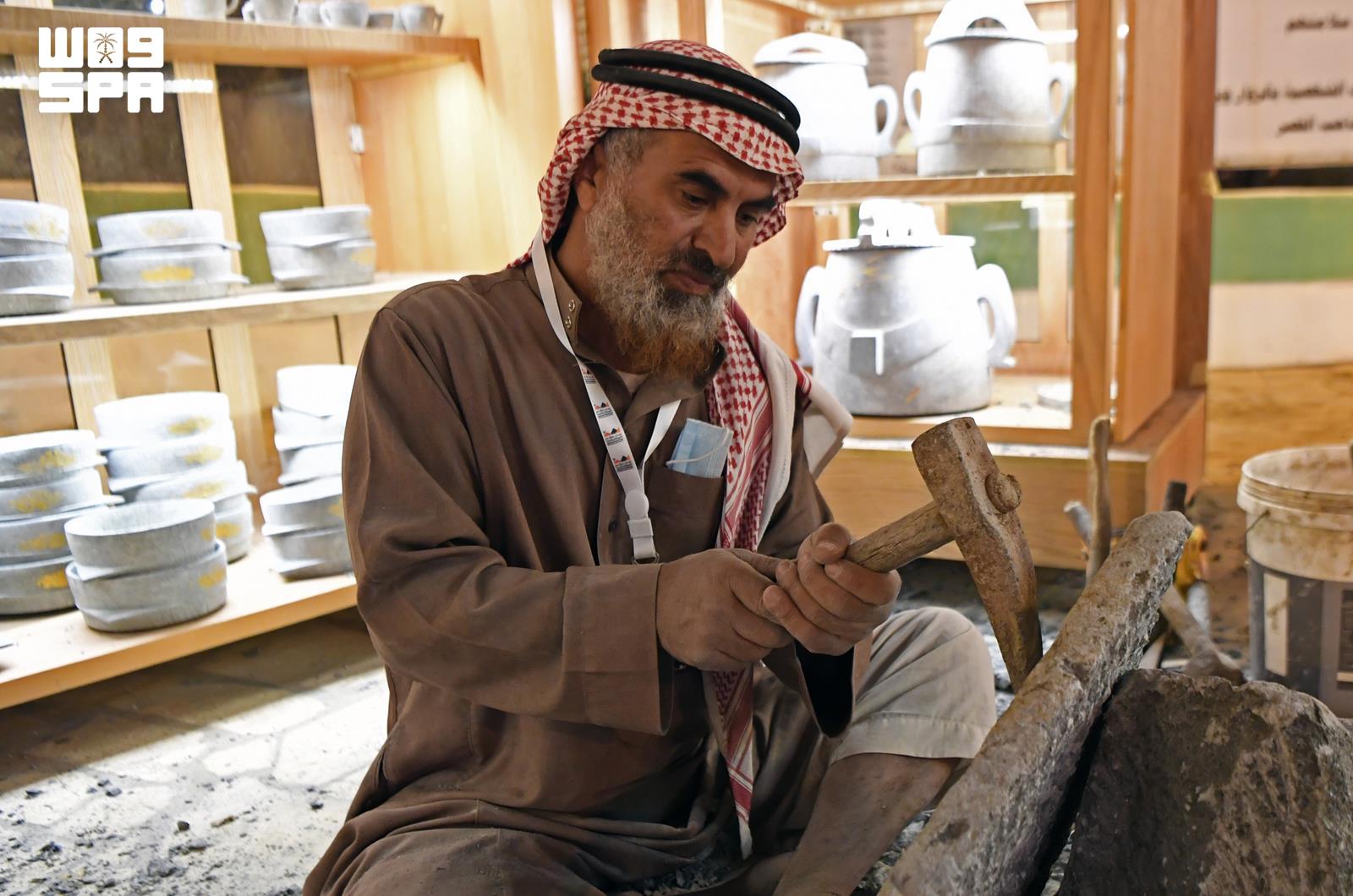
Abha, Dhul-Hijjah 21, 1447 AH, corresponding to June 7, 2026, SPA — Data on the regulation and licensing of handicrafts for 2025 showed notable growth in the Kingdom's handicraft sector, with 9,972 artisans (male and female) registered in the National Register of Artisans, in addition to issuing 5,508 licenses for handicraft practitioners and 47 licenses for handicraft product sales outlets, reflecting the growing interest in the sector as one of the economic and cultural tributaries supporting national identity. According to the annual report of the Ministry of Culture for 2025, issued at the end of last week, the Asir region recorded a prominent presence among the Kingdom's regions in the number of artisans registered in the national register, with 635 artisans registered in the region, placing it among the regions with notable handicraft activity across the Kingdom, benefiting from the rich cultural heritage that characterizes the region and the diversity of its traditional products associated with the mountainous and rural environment. The number of practitioners who obtained licenses to practice handicrafts in the Asir region reached 338, reflecting the expanding base of workers in the formal handicraft sector and confirming the continued efforts to organize the profession and empower artisans to benefit from supportive, marketing, and training programs. The data showed that women constitute the largest proportion of workers in the handicraft sector nationwide, with 7,912 female artisans registered in the national register compared to 2,060 male artisans, while the number of women who obtained handicraft practice licenses reached 4,247 compared to 1,261 men, an indicator reflecting the growing role of Saudi women in preserving and economically developing the handicraft heritage. At the regional level, Riyadh region topped the number of artisans registered in the national register with 1,719 artisans, followed by Makkah region with 1,675 artisans, then Madinah region with 1,042 artisans, while Asir ranked with 635 artisans ahead of several other regions. Riyadh also topped the number of handicraft practice licenses with 1,091 licenses, followed by Makkah with 931 licenses, then Madinah with 587 licenses. Regarding commercial activities related to handicrafts, the data showed the issuance of 47 licenses for handicraft product sales outlets across the Kingdom, of which Asir region received four licenses, ranking after Riyadh with 14 licenses, Makkah with nine licenses, and Jeddah with six licenses. This growing presence of the Asir region reflects its status as one of the most important environments for traditional crafts in the Kingdom, especially in the fields of Asiri Qatt, palm leaf weaving, textiles, woodworking, and crafting heritage products linked to the region's cultural heritage, which enhances investment opportunities in the handicraft sector and supports the goals of preserving national heritage and transforming it into a sustainable economic resource that contributes to diversifying income sources and creating job opportunities. // End // 12:54 PM 0054
Abha, Dhul-Hijjah 21, 1447 AH, corresponding to June 7, 2026, SPA — Data on the regulation and licensing of handicrafts for 2025 showed notable growth in the Kingdom's handicraft sector, with 9,972 artisans (male and female) registered in the National Register of Artisans, in addition to issuing 5,508 licenses for handicraft practitioners and 47 licenses for handicraft product sales outlets, reflecting the growing interest in the sector as one of the economic and cultural tributaries supporting national identity. According to the annual report of the Ministry of Culture for 2025, issued at the end of last week, the Asir region recorded a prominent presence among the Kingdom's regions in the number of artisans registered in the national register, with 635 artisans registered in the region, placing it among the regions with notable handicraft activity across the Kingdom, benefiting from the rich cultural heritage that characterizes the region and the diversity of its traditional products associated with the mountainous and rural environment. The number of practitioners who obtained licenses to practice handicrafts in the Asir region reached 338, reflecting the expanding base of workers in the formal handicraft sector and confirming the continued efforts to organize the profession and empower artisans to benefit from supportive, marketing, and training programs. The data showed that women constitute the largest proportion of workers in the handicraft sector nationwide, with 7,912 female artisans registered in the national register compared to 2,060 male artisans, while the number of women who obtained handicraft practice licenses reached 4,247 compared to 1,261 men, an indicator reflecting the growing role of Saudi women in preserving and economically developing the handicraft heritage. At the regional level, Riyadh region topped the number of artisans registered in the national register with 1,719 artisans, followed by Makkah region with 1,675 artisans, then Madinah region with 1,042 artisans, while Asir ranked with 635 artisans ahead of several other regions. Riyadh also topped the number of handicraft practice licenses with 1,091 licenses, followed by Makkah with 931 licenses, then Madinah with 587 licenses. Regarding commercial activities related to handicrafts, the data showed the issuance of 47 licenses for handicraft product sales outlets across the Kingdom, of which Asir region received four licenses, ranking after Riyadh with 14 licenses, Makkah with nine licenses, and Jeddah with six licenses. This growing presence of the Asir region reflects its status as one of the most important environments for traditional crafts in the Kingdom, especially in the fields of Asiri Qatt, palm leaf weaving, textiles, woodworking, and crafting heritage products linked to the region's cultural heritage, which enhances investment opportunities in the handicraft sector and supports the goals of preserving national heritage and transforming it into a sustainable economic resource that contributes to diversifying income sources and creating job opportunities. // End // 12:54 PM 0054
Original source: SPA



Comments (0)
Be the first to comment.