General / How Bir Haddaj Became a Symbol of Tayma's Generosity
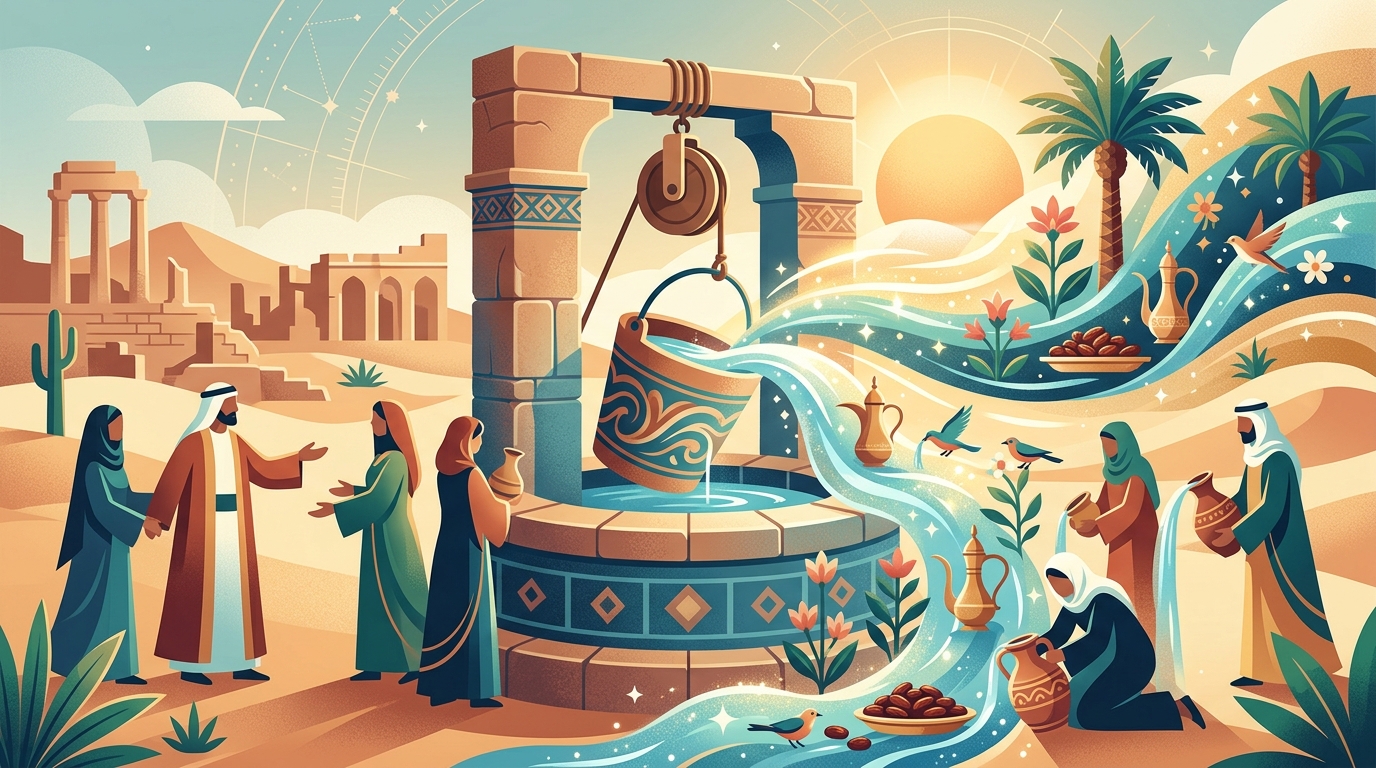
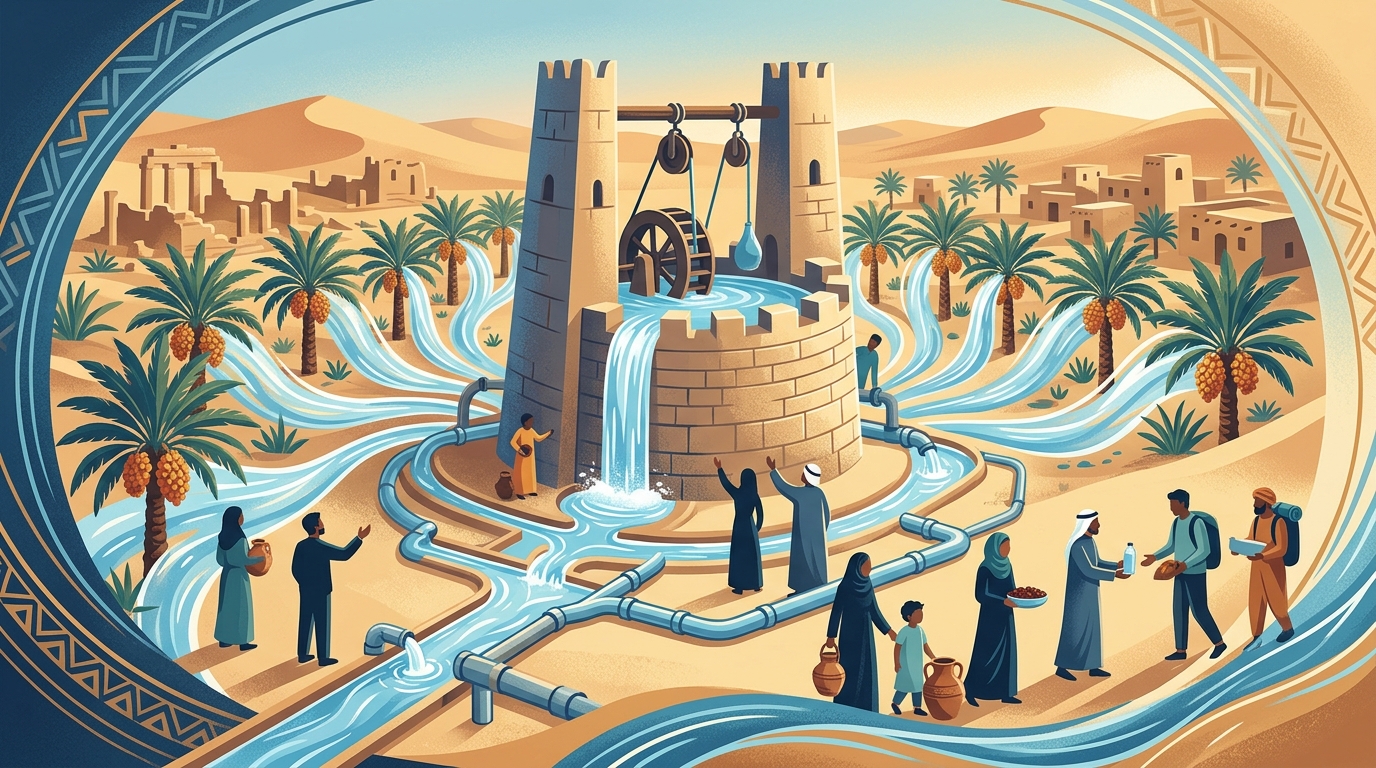
Riyadh, 25 Muharram 1448 AH corresponding to July 10, 2026, SPA - Bir Haddaj, located in the center of Tayma in the Tabuk region, is considered one of the oldest historical wells in the Arabian Peninsula. According to the Encyclopedia of Saudi Arabia under the King Abdulaziz Public Library, it is believed to date back to the 6th century BC. The well is famous for its abundant water, becoming a symbol of generosity in local memory. The well's mouth circumference reaches 65 meters, and its depth ranges between 11 and 12 meters. It is built with polished stones and surrounded by palm trees on all four sides. Water is transported from inside the well through 31 stone channels, and it used to water 100 camels at once during the summer season. Known popularly as "Sheikh al-Jawiya," Bir Haddaj also has other names: Ain Haddaj, al-Qaleeb, al-Bir, al-Ma', Ra'ee al-Tis'een Gharb, and Marwi al-Atasha. Its name is associated with generosity and appears in Arabic poetry. Al-Samawal, the ruler of Tayma in the 5th century AD, is among the earliest to refer to it, calling it "al-Ma'" (water), boasting about Tayma's well and fortress: "He built for me an ancient, impregnable fortress and water that I may draw whenever I wish." The well continued to supply water to residents, farms, and nomads using water wheels until 1373 AH/1954 AD. It was rehabilitated in 1433 AH/2012 AD, becoming a prominent archaeological and tourist landmark, and its water still flows to this day. // End //15:30 ت مـ 0081
Original source: SPA

Comments (0)
Be the first to comment.