Intellectuals: Literary Partner’s Performance Depends on Setting Standards

To avoid consumption and monotony
Intellectuals: Literary Partner’s Performance Depends on Setting Standards
24 July 2026 - 00:17 | Last updated 24 July 2026 - 02:18
Hessa Al-Mufarrah
Talal Al-Tuwaijri
Omar Al-Ghamdi
Mohammed Al-Dubaisi
--:--
Follow Okaz channel on WhatsApp
Ali Al-Rubaie (Al-Baha) Al_ARobai@
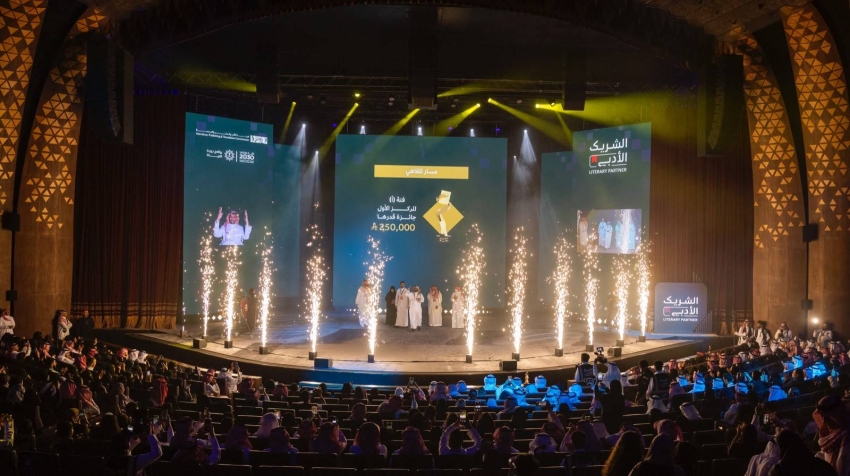
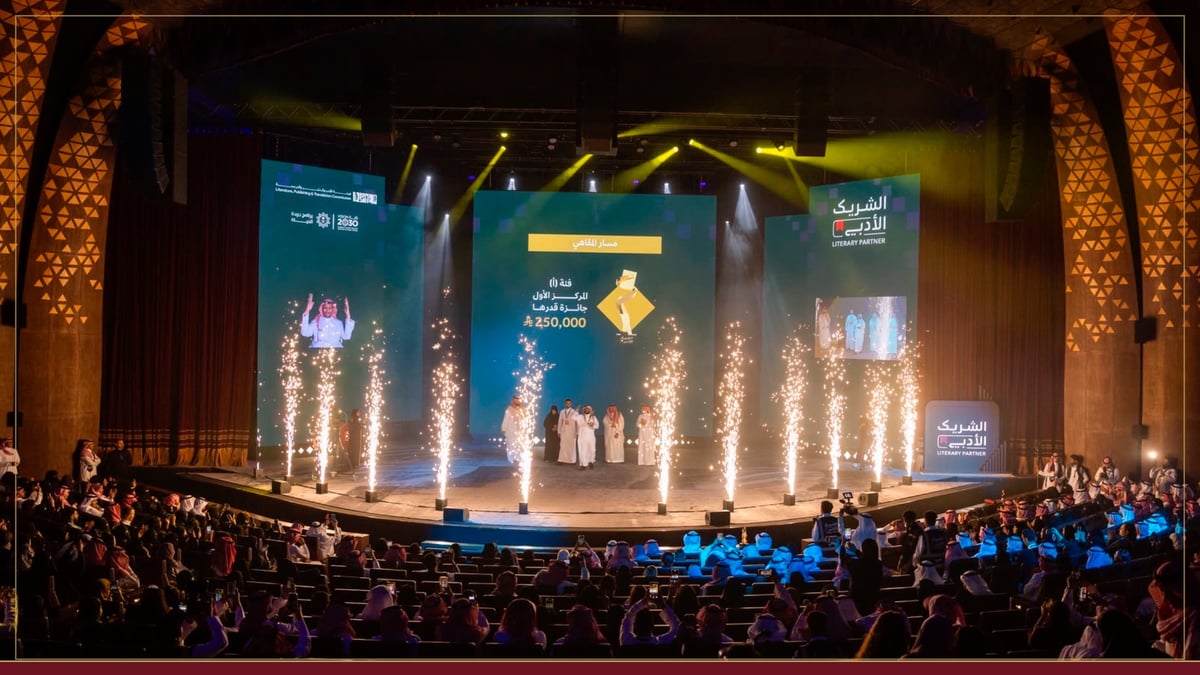
The Literary Partner initiative concluded its fifth edition with a closing ceremony hosted by the Literature, Publishing and Translation Commission. Amid multiple views and impressions about the initiative and its impact, we posed an evaluative question to gather opinions from academics and participants in the initiative.
Critic Dr. Muhammad Ibrahim Al-Dubaisi believes that the Literary Partner provided a wide space for interaction between creators of all specializations and the public, and expanded in welcoming everyone without clear criteria for evaluation and selection, leading to results reflected in the level of many events, which varied noticeably in value and quality, as quantitative attendance sometimes overshadowed cognitive and creative value. Al-Dubaisi stressed that it is very important to have scientific controls and cultural standards that ensure a degree of quality and value in what is presented, preserving the project’s status within the framework of its objectives, enhancing its cultural impact, and making it more capable of creating an effective and serious literary and cultural scene.
Dr. Amira Al-Muharib, professor of literature at Al-Baha University, considered the Literary Partner initiative a vital tributary that helped shake up the traditional cultural structure by introducing new names from within cities and presenting them directly to the audience. She saw the experience of the public engaging with cultural lectures as a starting point for creating a socio-cultural pattern capable of imposing the cultural characteristics of our societies in their current form, both Arab and global. She affirmed that the experience lays the foundation for a local civilization history worthy of appreciation and study. She added, "As someone interested in cultural studies and looking forward to measuring the impact of the Literary Partner experience, I ask: Are there deep cultural recommendations regarding the outputs of the Literary Partner experience that are followed up and addressed to achieve the greatest cultural interaction among audience groups and improve the quality of culture at the city and regional level? What programs target these outputs for development and activation? How did the Literary Partner experience deal with prominent talents in terms of nurturing and follow-up?"
Al-Muharib pointed out that it is time to prepare effective workshops to bring the region's stars to the platforms of deserved triumph and media exposure, which is our real effort in our dear Kingdom's position on the map of Arab and global cultural affairs.
Omar Al-Ghamdi, a media professional and the first Literary Partner member in Al-Baha region, asserts that the Literary Partner reshaped the relationship between culture and society in a different way, making literature and thought part of the daily scene away from closed halls and elites. It succeeded in breaking the prevailing idea that culture is exclusive to intellectuals alone, opening its doors to various segments of society to become more present, close, and influential. Al-Ghamdi noted that the experience contributed to discovering new creative voices and created a space for direct meetings with writers and intellectuals that had long been a dream for many enthusiasts and readers. He counted among the successes of the Literary Partner bringing the writer closer to the recipient and making the recipient closer to the writer and intellectual. He called for developing some organizational aspects in the next phase by utilizing talents with previous experience in managing the cultural scene and producing literary events to ensure sustainability of success and improve output quality. Al-Ghamdi also stressed the need to allocate wide spaces within cafés away from the noise of dishes, coffee grinders, and birthday celebrations that distract the audience, weaken the concentration of some attendees and speakers, and affect the quality of interaction and dialogue, given that the nature of cultural dialogue requires quieter atmospheres. He added, "The Literary Partner experience remains one of the inspiring cultural initiatives that succeeded in bringing culture closer to society and deserves to continue, evolve, and expand its presence in various regions of the Kingdom."
Talal Al-Tuwaijri, a Literary Partner member in Taif Governorate, considers the Literary Partner experience among the reasons for the flourishing of cultural activity, as culture thrives not only within institutions but when people meet people. He sees it as a project that builds awareness and gives literature a civilizational role beyond reading, to constructing thought, enhancing dialogue, and consolidating sustainable cultural identity. He affirmed that interaction with the Literary Partner is very good to a certain extent, and the presentations are distinctive and enriching.
Hessa Al-Mufarrah: Quality of Outputs and Coordination of Event Timing
Dr. Hessa Al-Mufarrah, professor of literature and criticism at King Saud University, believes that the Literary Partner experience is one of the cultural initiatives that contributed to revitalizing literary activity, creating a space where those interested in culture and literature meet to exchange knowledge and experiences, and bringing culture and literature out to society across its different segments. She counted among its positives: spreading culture and literature, diversifying the approaches to presenting them through lectures, training courses, workshops, and dialogue meetings, which helped attract different and diverse groups of specialized and non-specialized audiences, making access to literary knowledge closer and easier. Al-Mufarrah added, "The experience provided a cultural environment that combines scientific seriousness and cultural entertainment, giving events an interactive character without losing their cognitive value for the most part. Positive aspects also include introducing new topics, highlighting successful experiences in the fields of literature and culture generally, and providing opportunities for a number of writers, critics, and enthusiasts to present their expertise and ideas." She sees among the aspects that could be addressed to improve the experience: the high number of events in a single day, especially in Riyadh, leading to overlapping schedules, forcing the audience to choose between them, and reducing opportunities for attendance, interaction, and full benefit from each event. A greater impact could have been achieved if events were distributed over different days according to a well-studied schedule. She suggested creating an electronic platform to organize event schedules and bookings by organizers within the same city. The platform could include a pre-registration system, notifications for attendees, a unified events calendar, and statistics to help measure turnout and improve planning.
Al-Mufarrah noted the disparity in the level of content presented, as some contributions were characterized by depth, sobriety, and distinctive presentation, while others relied on repetitive topics or stale information, and some depended largely on audience interaction linked to personal relationships or private invitations rather than the importance of the topic and quality of content. This weakened the presenter's advance preparation, reflected on output quality, and showed disparity in participation levels, depriving some outstanding events of reaching the audience they deserve. She pointed out that large attendance does not reflect the quality and importance of the program.
Original source: Okaz



Comments (0)
Be the first to comment.