Lead Teacher in Integrated Schools to Address Challenges
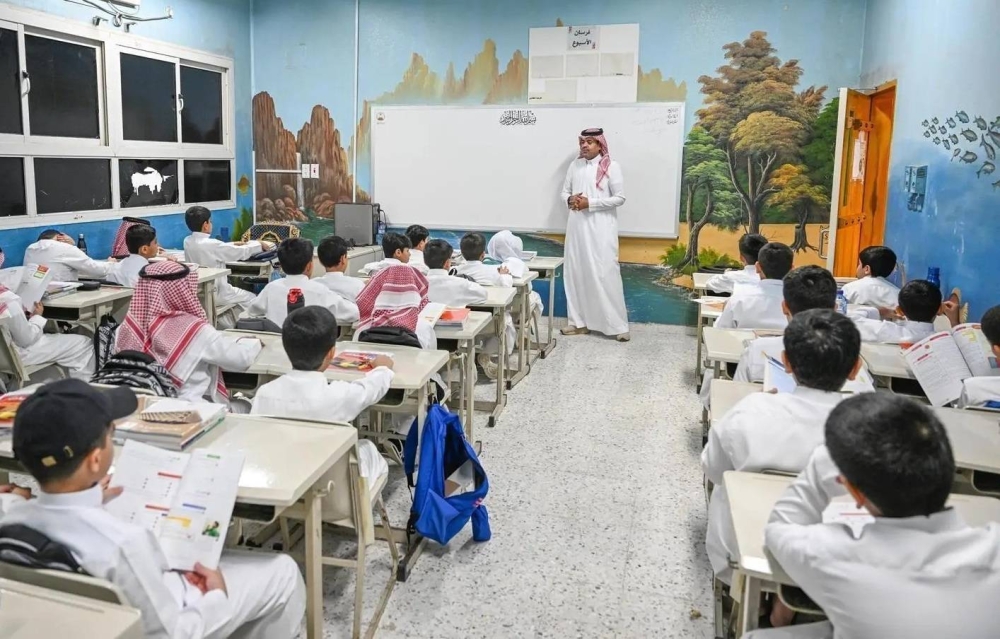
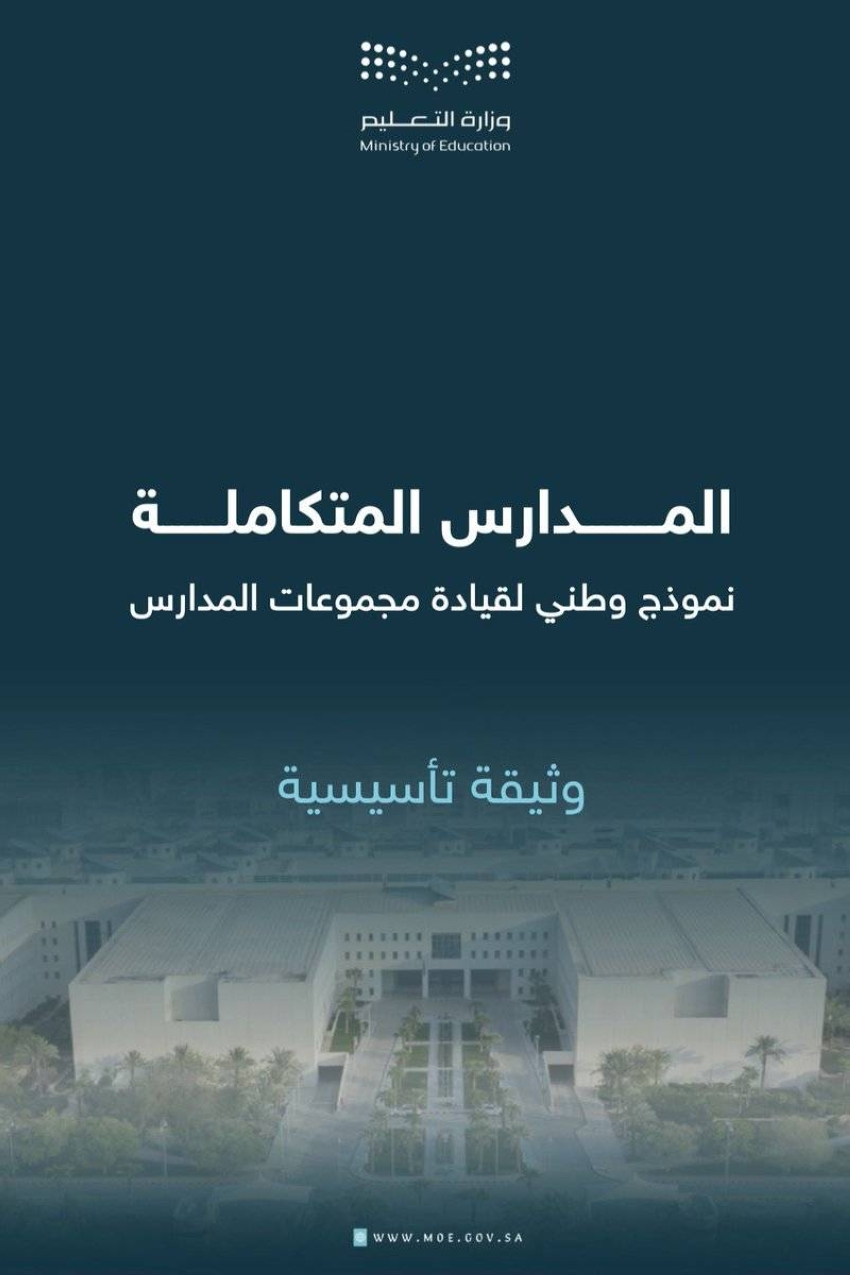
The founding document of the integrated schools model approved the creation of a “Lead Teacher” position as a specialized professional leader for teachers within the school, tasked with supporting colleagues, transferring effective teaching practices, and participating in leading professional learning, thereby contributing to improving education quality and promoting sustainable development. The document explained that the Lead Teacher supports teachers in developing teaching methods, assists new teachers, leads professional meetings within the school, participates in classroom visits, contributes to professional learning communities, and documents and disseminates best practices, in coordination with the school principal and the general supervisor to ensure the integration of development efforts. The model aims to address eight main problems, including: disparity in performance levels between schools within the same educational district; the confinement of successful experiences and practices within specific schools without organized transfer; the lack of continuous professional support for school principals; weak development of second-tier school leadership; duplication of development efforts between schools without sufficient coordination; low efficiency in investing shared human and material resources; difficulty in directing support according to the actual needs of each school; and the predominance of administrative follow-up over leading professional improvement. The document stated that the integrated schools model aims to increase the efficiency of investing human and material resources, transforming schools from independent units working in isolation into integrated professional groups working as one team, by forming clusters of close and homogeneous public schools within a unified professional and operational framework, with the number of schools determined according to criteria adopted by the ministry, including educational stage, geographical distribution, and student density, to ensure leadership effectiveness and quality of support.
It pointed out that the model addresses a number of challenges facing traditional models, most notably: support reaching schools intermittently; expertise remaining tied to individuals without being transformed into shared institutional knowledge; other schools not benefiting sufficiently from the expertise of distinguished schools; the most needy schools not receiving direct and continuous support; professional development being disconnected from the school's reality and daily practices; and the difficulty for central education departments to follow up on the details of daily improvement in all schools.
The document confirmed that the application of the model will begin with gradual expansion in education departments after the success of the first phase, benefiting from the results of the application and continuously developing the model, noting that the most prominent expected challenges include resistance to change in the early stages, varying readiness of schools, the need to build the capacities of school leaders, different geographical conditions, and limited resources.
It explained that the most prominent advantages of the model include shifting improvement efforts from the individual school to an integrated school cluster, turning distinguished experiences into a shared resource among schools, providing closer and more continuous professional support for school principals, and narrowing performance gaps through cooperation and mutual support. The model was designed based on a number of international experiences and practices, including those from UNESCO, the OECD, the TALIS study, as well as experiences from the ministries of education in Singapore, the United Kingdom, and Estonia.
6 challenges facing traditional models 01- Support reaches the school intermittently, not continuously. 02- Expertise remains tied to individuals and does not turn into shared institutional knowledge. 03- The distinguished school does not contribute sufficiently to raising the performance of other schools. 04- Schools in need may not receive sufficient and direct support. 05- Professional development may be disconnected from the school's reality and daily practices. 06- The education department alone from the center cannot follow up on the details of daily improvement in every school.
< Previous PageNext Page >
Original source: Al-Watan


Comments (0)
Be the first to comment.