Postman in Rafha: A Living Memory of the Era of Paper Letters
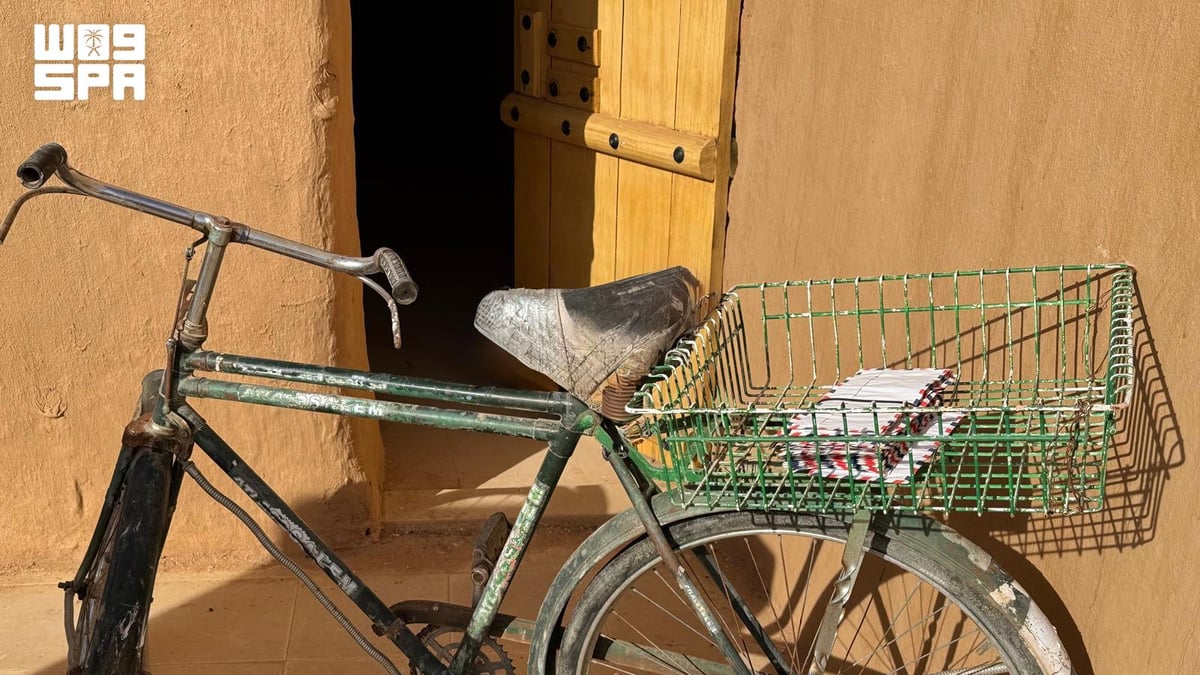
The postman in Rafha represented a symbol of communication among residents over the past decades, before the spread of modern communication means, as the post office was a daily destination for sending letters to family and loved ones in distant areas.
Saudi Post was established in 1926 to provide postal services in all regions. Letters were handwritten and placed in white envelopes distinguished by blue and red dashed lines, with the names of the recipient and sender written, the envelope sealed with glue, and stamps affixed that documented notable events in the Kingdom's history.
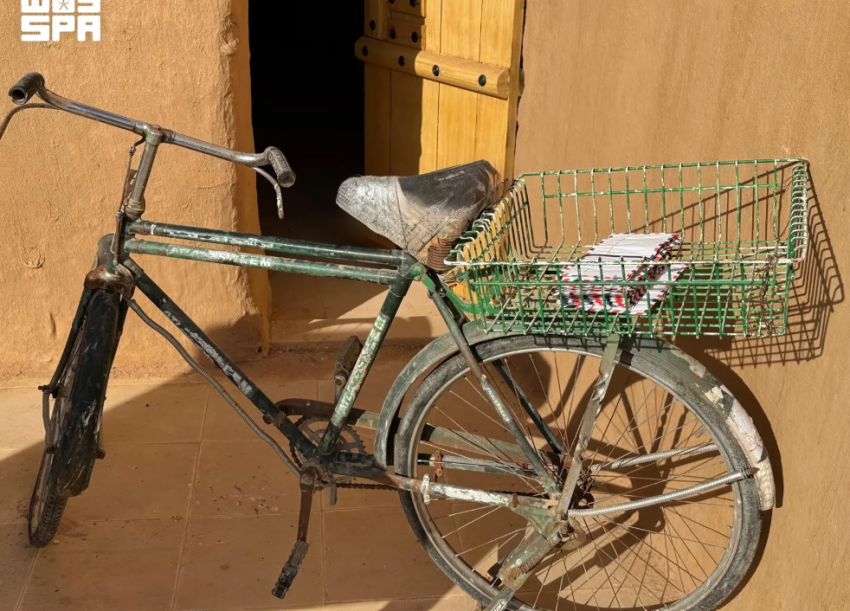
Sending methods varied between regular mail and registered mail, which allowed tracking of letters and ensured their return if delivery was not possible. The passage of the postman through neighborhoods was not a fleeting event, but rather a part of people's daily lives, and his presence extended into poetry and popular culture, as he wore his official uniform and carried his bag while moving on a bicycle between houses.
Historical Stations in the North of the Kingdom
Fahd Khalaf Al-Jibhan, a former Saudi Post employee in the Northern Borders Region, explained that historical villages such as Linah, Umm Radmah, Luqah, and Al-Duwaid emerged as pivotal stations in the route of telegrams and mail transport, within caravan trails and historical routes, especially the 'Darb Zubaidah'.
In the same context, mail was not limited to correspondence service; it was also a means of introducing others by publishing their photos and hobbies in newspapers and magazines. Despite the evolution of means and the emergence of modern technology, these villages remain witnesses to the beginnings of human communication in the north of the Kingdom and their role in preserving affection among people during the era of paper letters.
Discuss the news with artificial intelligence.
Original source: Ajel.sa



Comments (0)
Be the first to comment.