Saudi Arabia Enhances E-Waste Regulation and Supports Circular Economy with International Initiatives
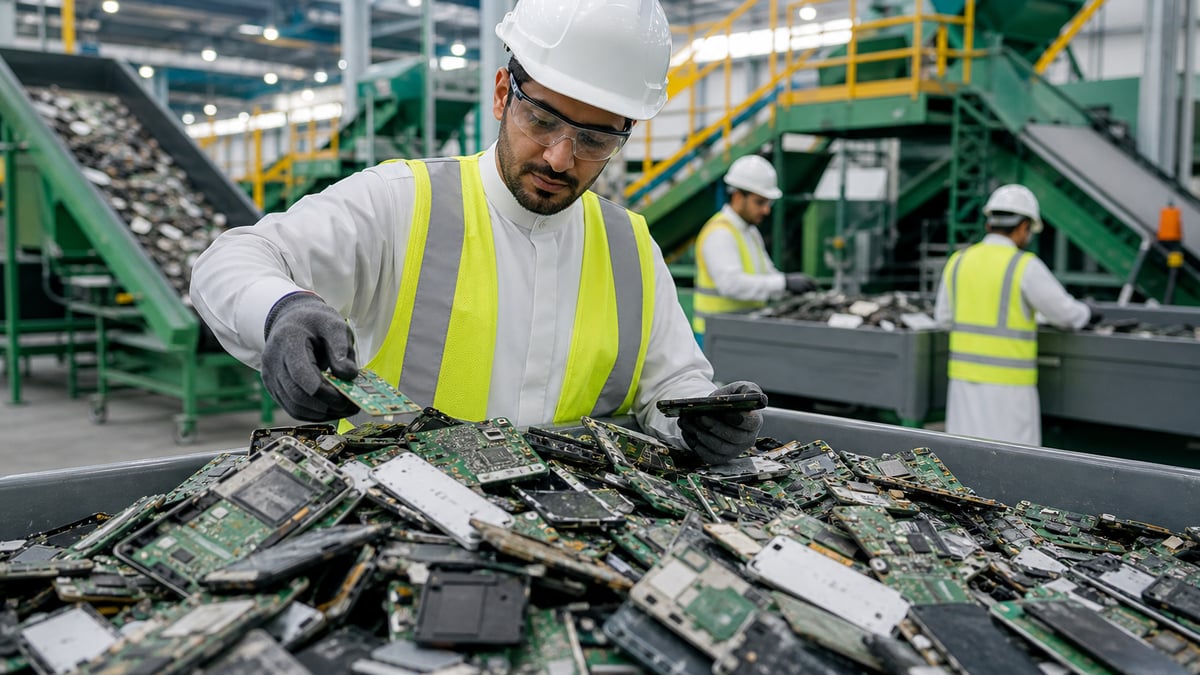
Widespread participation in electronic waste management initiatives and tangible results in recycling
The Kingdom of Saudi Arabia continues to strengthen its global efforts to address the challenges of electronic waste, through initiatives aimed at developing regulatory frameworks and encouraging recycling, thereby supporting environmental sustainability and the circular economy.
The World Health Organization stated that electronic waste is one of the fastest-growing waste types globally, growing at a rate three times that of the world's population, making unsafe disposal a health and environmental risk due to its content of hazardous chemicals and metals.
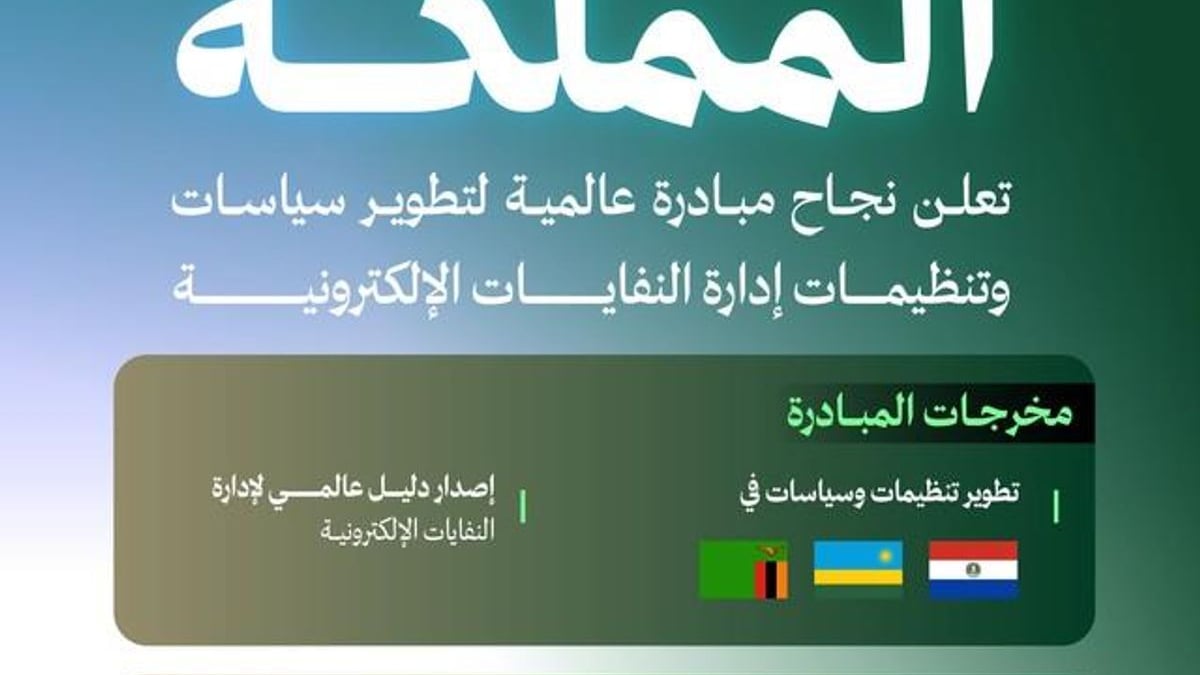
A report published by 'Arabesque London' indicated that Saudi Arabia, in cooperation with the International Telecommunication Union (ITU), is implementing an international initiative for electronic waste management with the participation of Paraguay, Zambia, and Rwanda, aiming to develop legal frameworks that support digital sustainability and enhance safe recycling practices.
Results of the initiatives and their impact
The report added that the initiative resulted in the review of three regulatory frameworks for e-waste management, the preparation of a guide to best practices and regulatory policies, in addition to a study of costs and fees associated with managing electronic device waste.
The report showed that the initiative attracted more than 270 entities and over 480 experts from the public and private sectors worldwide, reflecting the breadth of international cooperation in this field.
Achievements of the 'Recycle Your Device' campaign
In the same context, the 'Recycle Your Device' campaign in Saudi Arabia during 2025 succeeded in collecting more than 400,000 devices valued at over 120 million riyals. Moreover, more than 960 tons of electronic equipment were recycled and repaired, benefiting about 120 educational and charitable entities.
It is noteworthy that regulating e-waste management contributes to protecting the environment and public health, in addition to enhancing the economic benefit from reusing valuable materials, supporting the goals of the circular economy and sustainability in the Kingdom.
Original source: Ajel.sa




Comments (0)
Be the first to comment.