Saudi-U.S. Nuclear Deal Announcement Expected Today
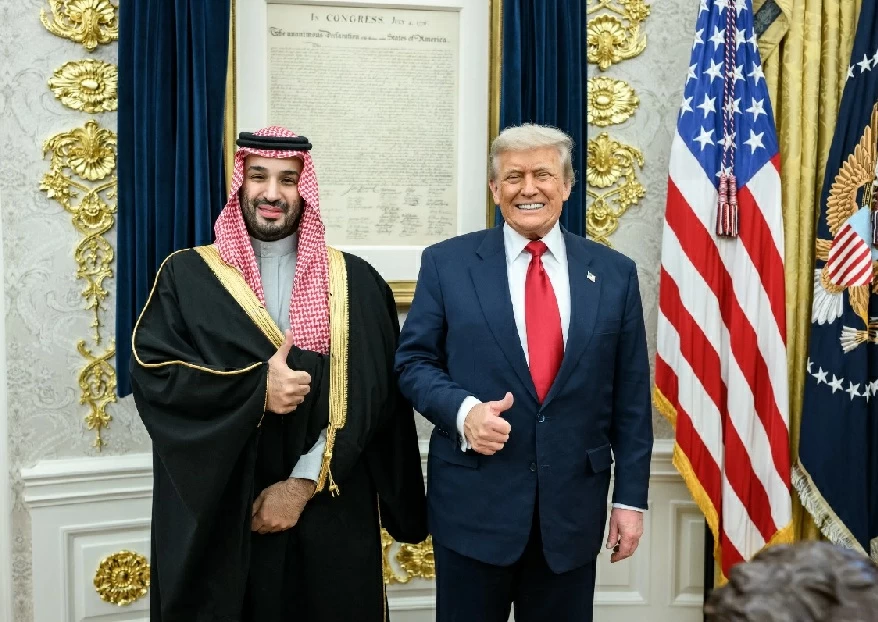
The administration of U.S. President Donald Trump has approved a civil nuclear cooperation agreement with the Kingdom of Saudi Arabia, a move that represents a significant shift in the strategic relations between the two countries and paves the way for the launch of a Saudi civil nuclear program with U.S. support extending over 30 years.
According to reports from the Associated Press and The Wall Street Journal, citing U.S. officials, the official announcement of the agreement is expected today (Wednesday), following the completion of final arrangements between the two sides.
Long-term Cooperation
The agreement establishes a legal framework for cooperation in the field of peaceful nuclear energy, through what is known as the "123 Agreement," derived from the U.S. Atomic Energy Act of 1954, which regulates civil nuclear cooperation between the United States and other countries, with a requirement to adhere to strict standards to prevent nuclear proliferation. The agreement allows American companies to participate in the design and development of the infrastructure for the Saudi nuclear program.
Uranium Enrichment
Among the key provisions of the agreement is the possibility of establishing a uranium enrichment facility within the Kingdom, if a joint U.S.-Saudi study proves the project's feasibility from both economic and technical perspectives. In return, informed sources clarified that the agreement does not obligate the United States to transfer uranium enrichment technologies or capabilities to Saudi Arabia, but it provides the legal framework that allows for future cooperation in this area, while the program remains subject to specific oversight guarantees regarding the peaceful uses of nuclear energy.
Congress Review
The U.S. administration intends to refer the agreement to Congress in the coming days for review, but its implementation does not require a vote of approval, as it can only be blocked if Congress succeeds in passing joint legislation that secures a two-thirds majority to override any presidential veto, which limits the chances of obstruction.
Strategic Vision
The agreement comes as part of the Kingdom's efforts to diversify energy sources within the targets of Saudi Vision 2030 and reduce dependence on oil by developing a nuclear program dedicated to peaceful purposes, at a time when Washington emphasizes that any nuclear cooperation will adhere to the highest standards of safety, oversight, and non-proliferation. The agreement is expected to be officially signed by U.S. Energy Secretary Chris Wright and Saudi Energy Minister Prince Abdulaziz bin Salman, marking a new milestone in the strategic partnership between Riyadh and Washington, and opening the door for extensive cooperation in the nuclear energy sector in the coming decades.
The administration of U.S. President Donald Trump has approved a civil nuclear cooperation agreement with the Kingdom of Saudi Arabia, a move that represents a significant shift in the strategic relations between the two countries and paves the way for the launch of a Saudi civil nuclear program with U.S. support extending over 30 years.
According to reports from the Associated Press and The Wall Street Journal, citing U.S. officials, the official announcement of the agreement is expected today (Wednesday), following the completion of final arrangements between the two sides.
Long-term Cooperation
The agreement establishes a legal framework for cooperation in the field of peaceful nuclear energy, through what is known as the "123 Agreement," derived from the U.S. Atomic Energy Act of 1954, which regulates civil nuclear cooperation between the United States and other countries, with a requirement to adhere to strict standards to prevent nuclear proliferation. The agreement allows American companies to participate in the design and development of the infrastructure for the Saudi nuclear program.
Uranium Enrichment
Among the key provisions of the agreement is the possibility of establishing a uranium enrichment facility within the Kingdom, if a joint U.S.-Saudi study proves the project's feasibility from both economic and technical perspectives. In return, informed sources clarified that the agreement does not obligate the United States to transfer uranium enrichment technologies or capabilities to Saudi Arabia, but it provides the legal framework that allows for future cooperation in this area, while the program remains subject to specific oversight guarantees regarding the peaceful uses of nuclear energy.
Congress Review
The U.S. administration intends to refer the agreement to Congress in the coming days for review, but its implementation does not require a vote of approval, as it can only be blocked if Congress succeeds in passing joint legislation that secures a two-thirds majority to override any presidential veto, which limits the chances of obstruction.
Strategic Vision
The agreement comes as part of the Kingdom's efforts to diversify energy sources within the targets of Saudi Vision 2030 and reduce dependence on oil by developing a nuclear program dedicated to peaceful purposes, at a time when Washington emphasizes that any nuclear cooperation will adhere to the highest standards of safety, oversight, and non-proliferation. The agreement is expected to be officially signed by U.S. Energy Secretary Chris Wright and Saudi Energy Minister Prince Abdulaziz bin Salman, marking a new milestone in the strategic partnership between Riyadh and Washington, and opening the door for extensive cooperation in the nuclear energy sector in the coming decades.
Original source: Okaz


Comments (0)
Be the first to comment.