Student Educational Identity Card... A National Project for Building the Future - Dr. Sharif bin Mohammed Al-Atribi
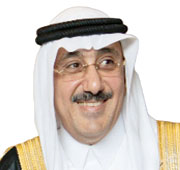
يدعو كاتب المقال إلى إنشاء بطاقة تعليمية رقمية لكل طالب، تبدأ من ولادته وتستمر حتى تخرجه، لتكون سجلاً متكاملاً لنموه المعرفي والمهاري والشخصي، مما يساعد في توجيه مساره التعليمي بشكل دقيق.
From the very first moment a child opens their eyes to life, their educational journey begins. Education is not a school desk, a school bag, or a bell announcing the start of the first class. It is an ongoing human process that begins at birth, through which the child acquires knowledge, learns skills, shapes behavior, and builds their personality through family, community, environment, then school, and finally university and the job market.
Every situation a child experiences leaves a mark on their personality, and every experience they undergo adds a new brick to building their future. Therefore, education and psychology scholars affirm that the early years of a person's life are the most influential in shaping their personality and abilities, and what is built during that period remains present in later stages unless exceptional circumstances alter that path.
Despite this scientific awareness, we still treat students at every educational stage as if they start from scratch. They move from kindergarten to school, from one school to another, then to university, without the complete picture that reflects their personality, inclinations, talents, strengths, challenges they faced, skills acquired, and achievements made traveling with them.
Hence, the need arises for a new educational project that I consider among the most important for developing education in the future: the "Student Educational Identity Card."
By this, I do not mean a traditional identification card with a name, national ID, and school, but rather a comprehensive digital educational file that accompanies the student from birth until graduation, continuously updated, becoming the true record of their educational and human growth.
This card can include multiple indicators, such as:
Mental and cognitive abilities.
Preferred learning styles.
Multiple intelligences.
Professional inclinations.
Personal and social skills.
Talents and creativity.
Level of health and psychological fitness.
Achievements, initiatives, and volunteer work.
National and international assessment results.
Individual development plans.
Accumulated educational reports.
Thus, every teacher, student counselor, school leader, or guardian will have a complete picture of the student, helping them choose the best ways to deal with them, instead of relying on personal impressions or only quarterly test results.
Most importantly, the student themselves will be the biggest beneficiary, as they will get to know themselves scientifically, discover their strengths before weaknesses, identify their true inclinations, and make future decisions based on factual data rather than personal opinions or social pressures.
Global experiences have proven that building a cumulative educational file for a student contributes to improving the quality of education and its outcomes. In Finland, individual educational plans are built based on continuous monitoring of student growth, not just on final exams. In Singapore, the learner's development is comprehensively documented, including academic, skill, and personal aspects. Meanwhile, some states in the United States adopt "e-Portfolio" systems that travel with the student across educational stages, showcasing their achievements, skills, and projects, and helping guide them academically and professionally.
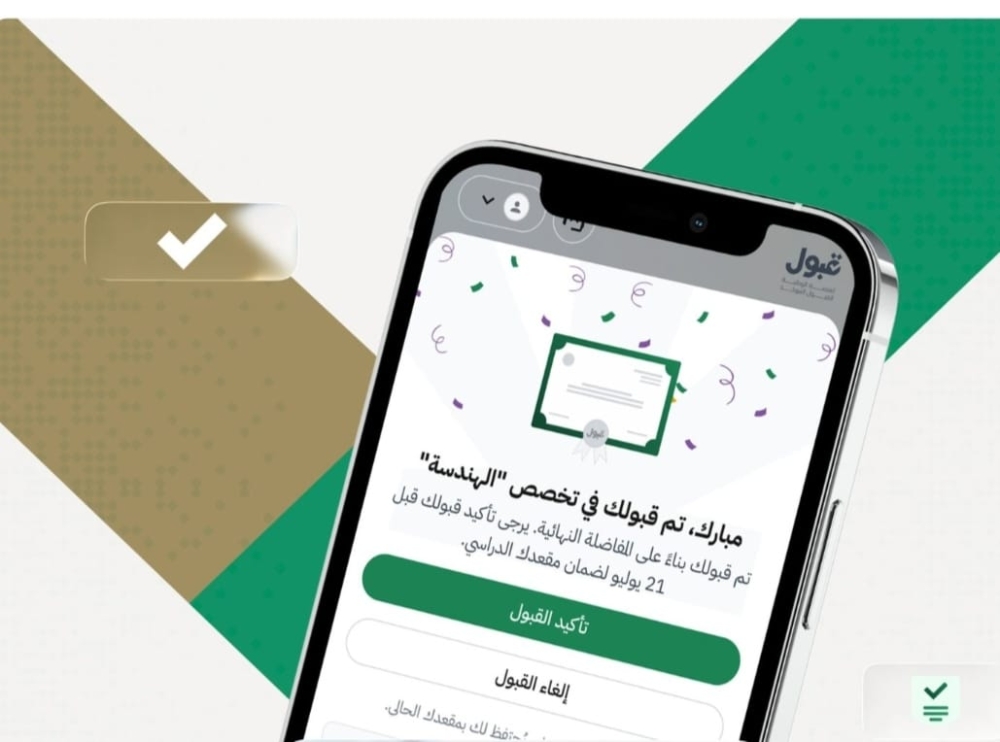
In the era of the digital revolution and artificial intelligence, implementing the Educational Identity Card has become easier than ever. National educational platforms already possess vast amounts of student-related data, and AI can analyze this data, extract precise indicators about their learning style, progress level, and areas of excellence, and even predict challenges they might face in the future, suggesting early interventions to address them.
This card can also serve as a link between school, university, and the job market, so that no party starts from scratch but instead benefits from the student's complete educational history. This enhances the efficiency of academic counseling, improves university admission decisions, and boosts employment opportunities based on each individual's true capabilities.
The impact of this project is not limited to the student alone but extends to educational policymakers, providing an accurate national database that helps in planning future specializations, identifying talents, directing educational investments, and measuring the impact of programs and initiatives more precisely.
Saudi Arabia's Vision 2030 has made investment in human capital a main axis of development, emphasizing that building human capital begins with quality education. This project directly aligns with this vision because it makes the student the center of the educational process, turning data into decisions, measurement into development, and education into a continuous journey of building the individual.
Economy of Saudi Arabia
The time has come to move from the question: "How much did the student score on the test?" to a more profound question: "Who is this student? And what can they offer for the future?"
The Educational Identity Card is not just a digital document; it is a national project for building the individual, a knowledge platform that accompanies the learner throughout their life, giving them the opportunity to know themselves first, and then be known by others as they truly are, not just as shown by test scores alone.
The student is not a number in a register or an average on a certificate, but a story that grows day by day. If we can document, understand, and invest in this story, we will have laid the foundation for a more equitable, intelligent, and future-ready education.
For the Educational Identity Card to become a reliable and sustainable national project, it must be based on an integrated data governance system that balances the use of data to improve education with protecting the right of the student and their family to privacy and fairness. This includes establishing clear legislation for data collection, processing, and sharing, defining permission levels among schools, universities, and relevant entities, ensuring transparency in the use of AI algorithms, and preventing any use of data that leads to discrimination, stigmatization, or limiting the student's future opportunities. The purpose of this card is to be a tool of empowerment, not a means of final judgment on a person's abilities.
Original source: Al-Jazirah


Comments (0)
Be the first to comment.