Transfer of 6 Million m² of Rain-fed Lands in Al-Qunfudhah for Sustainable Agriculture Development
Economy
Transfer of 6 Million m² of Rain-fed Lands in Al-Qunfudhah for Sustainable Agriculture Development
Manahi Al-Qurashi - Taif
Publication Date: July 8, 2026 12:40 KSA
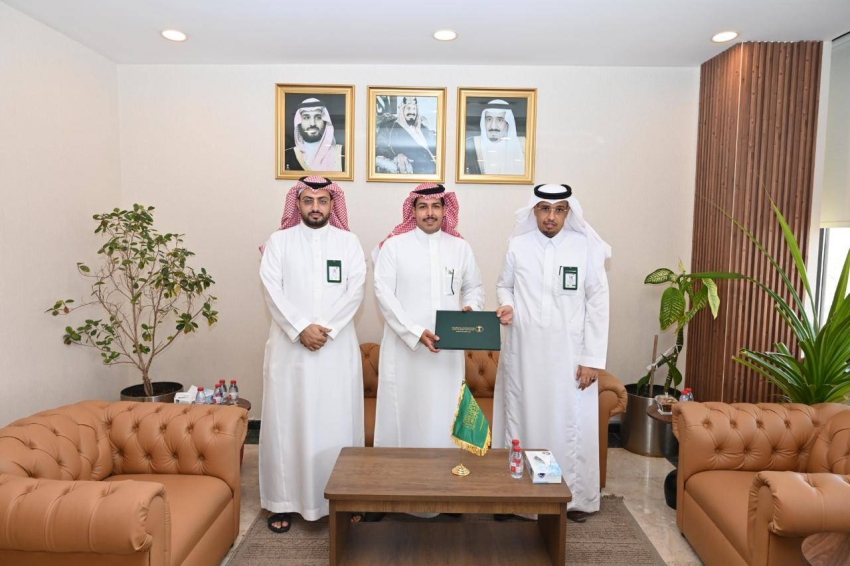
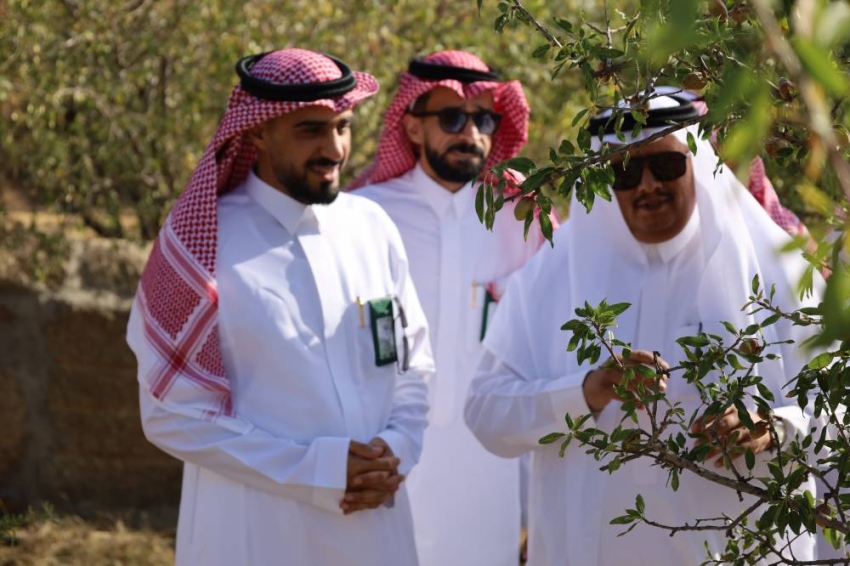
The branch of the Ministry of Environment, Water and Agriculture in the Makkah Region handed over a site of rain-fed lands in Al-Qunfudhah Governorate, with an area exceeding 6 million square meters, to a civil institution, as part of the ministry's efforts to maximize the utilization of natural agricultural resources, develop rain-fed agriculture, enhance food security, and support sustainable rural development.
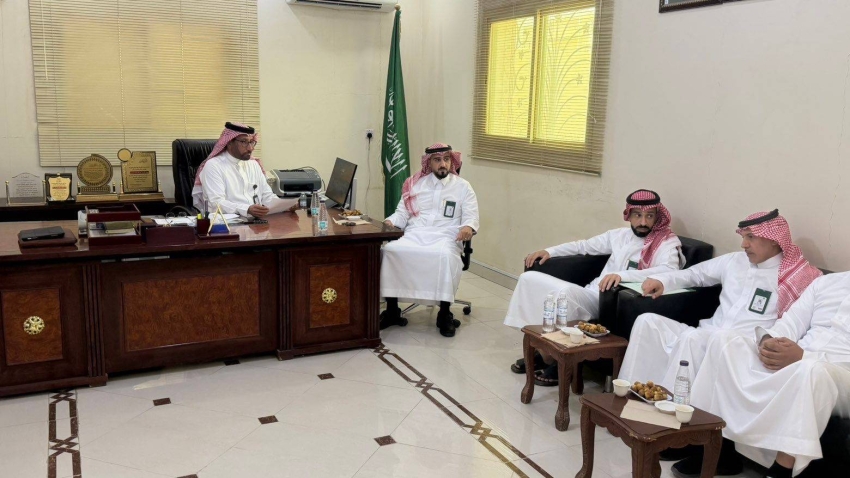
The handover ceremony took place in the presence of the Assistant Director General for Technical Affairs of the branch, Engineer Hassan bin Ibrahim Al-Muaydi, on behalf of the Director General of the branch, and with the participation of the Director of Land and Geospatial Information Department, Engineer Fadi bin Hussein Al-Harthi, after completing the regulatory procedures and approving the site in accordance with the relevant laws and regulations. The site was received by the representative of the civil institution, Nayef Mohammed Al-Shaya', marking the start of development programs aimed at improving the efficiency of investing in rain-fed lands and developing the agricultural sector in the governorate. The Director General of the branch of the Ministry of Environment, Water and Agriculture in the Makkah Region, Engineer Walid bin Ibrahim Al-Dughais, emphasized that the project is an extension of the ministry's efforts to transform agricultural lands into development projects with economic and social impact, through building effective partnerships with the non-profit sector, contributing to improving the efficiency of natural resource utilization, empowering rural communities, and enhancing the sustainability of the agricultural sector, in line with the goals of Saudi Vision 2030.
Al-Dughais explained that developing rain-fed lands is one of the important pathways to support food security and maximize the benefit from agricultural potential in the governorates, noting that the project will contribute to increasing agricultural productivity, enhancing rural development, and creating sustainable development opportunities that add value to the agricultural sector and local communities.
Original source: Al-Madina
Comments (0)
Be the first to comment.