Yemeni Minister of Planning to Okaz: Saudi Program is the Most Important Development Partner
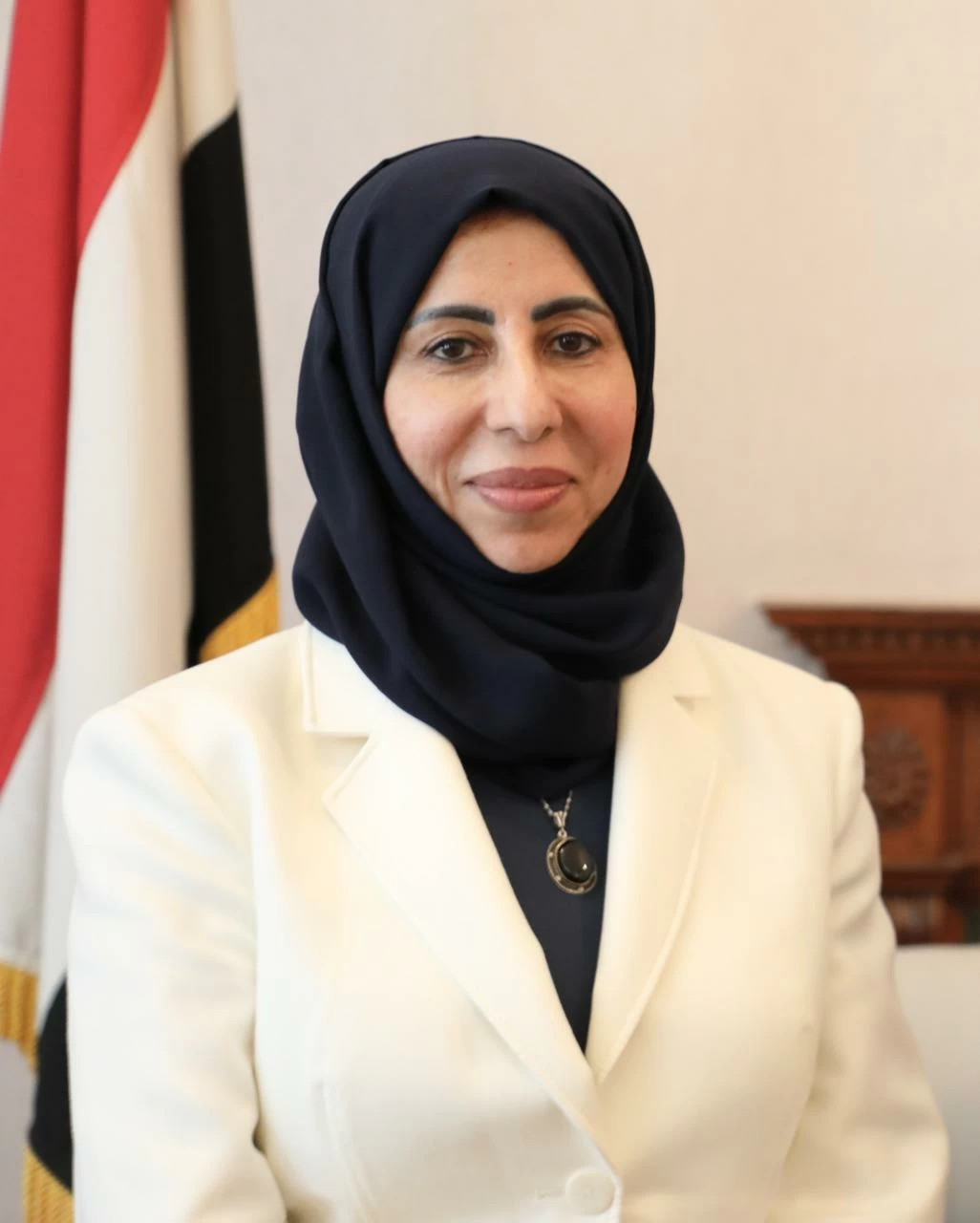
Yemeni Minister of Planning and International Cooperation, Dr. Afrah Al-Zouba, affirmed that the relationship between Saudi Arabia and Yemen is strategic and deep-rooted, based on historical ties and common interests. In an interview with Okaz, she said that over the past years, Saudi Arabia has proven to be a key partner for Yemen in political, humanitarian, developmental, and economic aspects. This is evident in the role played by the Saudi Program for the Development and Reconstruction of Yemen in implementing qualitative development projects, as well as the great efforts of the King Salman Humanitarian Aid and Relief Center in supporting the humanitarian response, noting that this integration represents an important model because Yemen needs to respond to urgent needs while simultaneously investing in building state institutions and improving basic services. She explained that her ministry faces many challenges and difficulties by continuing reforms, improving resource management, strengthening partnerships with donors, and focusing on priority projects to achieve the best possible benefit for citizens. Minister Al-Zouba discussed a number of important topics in the following interview:
War damage to state institutions
• After years of war, how is Yemen, especially regarding the state and its institutions?
•• The scale of the damage caused by the war to state institutions cannot be denied, whether at the level of infrastructure, resources, or personnel. However, the government has managed to maintain the continuity of its institutions' work and carry out their basic functions under extremely complex conditions. Today we are working on a different phase, based on restoring institutional efficiency, enhancing governance, and increasing their ability to lead economic and developmental recovery. Development cannot be achieved without capable and effective institutions, and this is the core of our work at the Ministry of Planning and International Cooperation.
The relationship with Saudi Arabia is strategic and deep-rooted
• How do you view the cooperation between Saudi Arabia and Yemen in various fields?
•• The relationship between the Kingdom of Saudi Arabia and Yemen is strategic and deep-rooted, based on historical ties and common interests. Over the past years, the Kingdom has proven to be a key partner for Yemen, whether in political aspects, humanitarian, developmental, and economic fields. We see this through the role played by the Saudi Program for the Development and Reconstruction of Yemen in implementing qualitative development projects, as well as the great efforts of the King Salman Humanitarian Aid and Relief Center in supporting the humanitarian response. This integration represents an important model because Yemen today needs to respond to urgent needs while simultaneously investing in building state institutions and improving basic services.
Saudi Arabia is one of the most important development partners
• Tell us about Saudi support for Yemen through the Saudi Program for the Development and Reconstruction of Yemen?
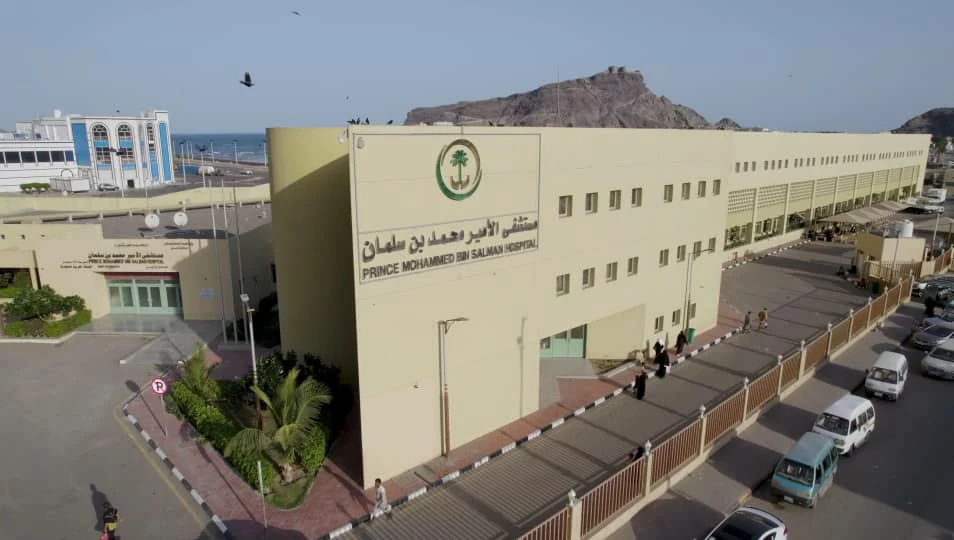
•• The Saudi Program for the Development and Reconstruction of Yemen is one of the most important development partners in Yemen because it adopts a long-term developmental vision targeting sectors most closely related to citizens' lives, such as education, health, energy, water, roads, and others. What distinguishes the program is that it works in partnership with the Yemeni government and ensures its projects align with national priorities, which contributes to raising implementation efficiency and achieving sustainable impact. The program also does not focus only on project construction but cares about implementation quality and sustainability of results, which is extremely important at this stage.
Partnerships with international financial institutions
• How is your communication and dealings with international institutions and bodies, and what are their outcomes?
•• We have active partnerships with international financial institutions, United Nations agencies, international organizations, and donor countries, and we continuously work to strengthen coordination with them to ensure their interventions align with government priorities. Over the past months, we have held many meetings and visits that have strengthened these relationships and restored donor confidence in the government. This cooperation has resulted in mobilizing new funding for a number of development projects, strengthening social protection programs, food security, and capacity building, in addition to expanding areas of cooperation with our partners in supporting economic and institutional reforms.
Important international support for Yemen
• How do you find the international community's response to the actual urgent needs related to the needs of Yemeni citizens and state institutions?
•• The international community still provides important support to Yemen, but the volume of needs exceeds available resources, especially with the multiplicity of global crises. Therefore, we constantly affirm that support for Yemen should not be limited to the humanitarian aspect but should also include support for state institutions because they are the guarantor of service sustainability and achieving long-term recovery.
Facing challenges by continuing reforms
• What are the most prominent problems you still face and how are you working to overcome them?
•• The most prominent challenges are limited resources, declining development funding, and the continuing economic impacts of war, along with challenges related to project implementation in a complex environment. We are working to face these challenges by continuing reforms, improving resource management, strengthening partnerships with donors, and focusing on priority projects to achieve the best possible benefit for citizens.
Notable progress in coordination with Saudi Arabia
• What about coordination with Saudi Arabia in the fields of planning and development?
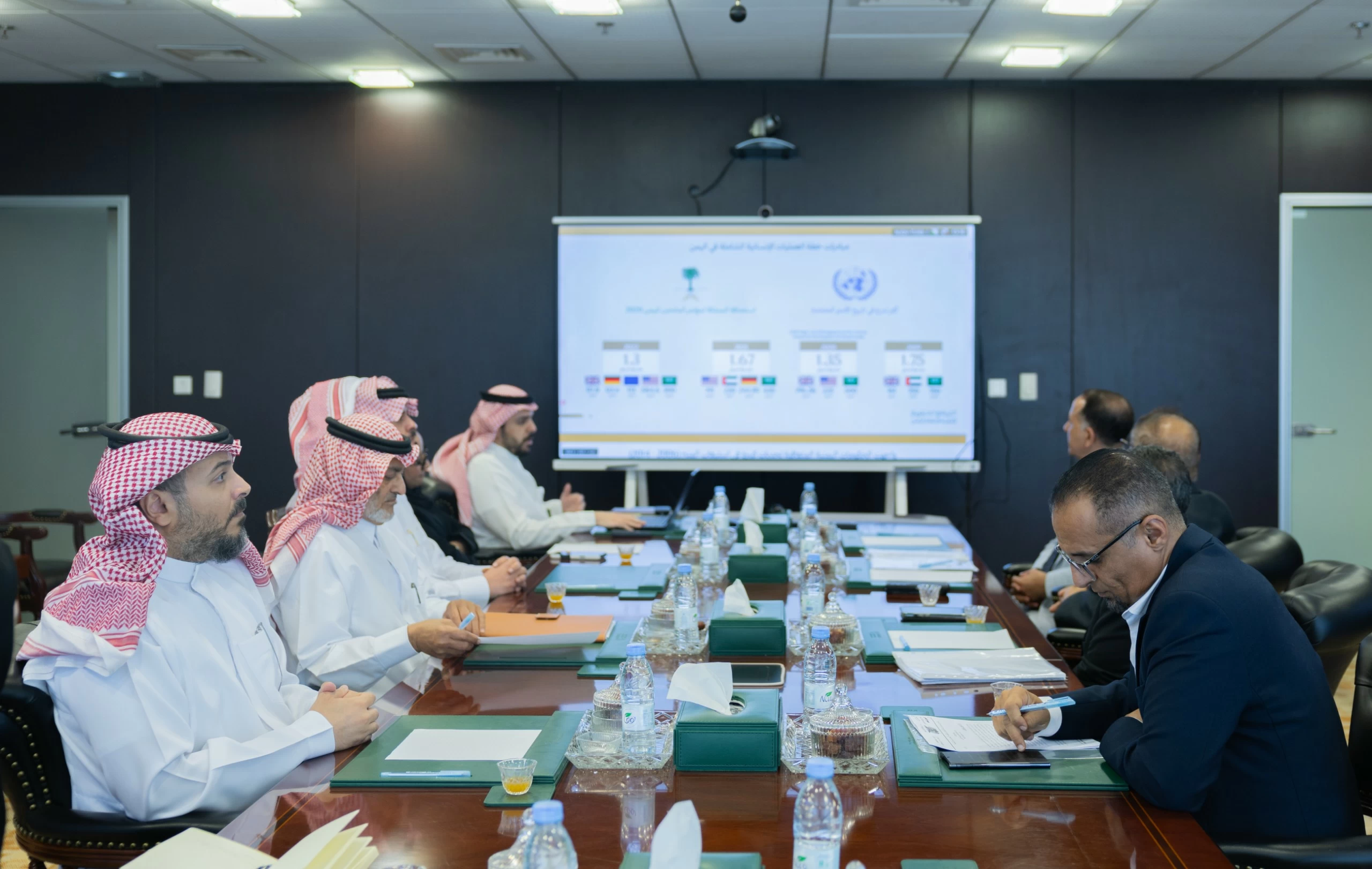
•• Coordination with the brothers in the Kingdom of Saudi Arabia is witnessing notable progress, and it is no longer limited to supporting or funding projects but has extended to coordination in planning, setting priorities, and designing development programs, in line with the Yemeni government's vision and goals for recovery and reconstruction. There is close cooperation with the Saudi Program for the Development and Reconstruction of Yemen, which has become one of the most important development partners in Yemen, especially in the sectors of electricity, education, health, water, and transportation, in addition to contributing to the development of new models for partnership between the government and the private sector, and enhancing investment in vital sectors. We recently witnessed in Riyadh a high-level dialogue that brought together the Yemeni government, the Saudi Program for the Development and Reconstruction of Yemen, the World Bank Group, international financial institutions, and the private sector to discuss the future of the electricity sector in Yemen. Such dialogues reflect the transition of cooperation to a more advanced stage, based on joint planning, attracting investment, and providing an appropriate environment for private sector participation in development and reconstruction projects. At the same time, the King Salman Humanitarian Aid and Relief Center is a key partner in the humanitarian aspect, and coordination mechanisms with it have greatly evolved to ensure alignment of humanitarian interventions with government priorities and actual citizen needs. For our part at the Ministry of Planning and International Cooperation, we ensure that all initiatives and projects implemented in cooperation with the brothers in the Kingdom are part of an integrated developmental framework, linked to the economic and social development and reconstruction plan, enhance the efficiency of state institutions, improve basic services, and pave the way for a gradual transition from aid dependency to development based on investment and sustainable partnerships.
Implementation of a number of programs and initiatives
Original source: Okaz

Comments (0)
Be the first to comment.