Al-Alimi Reveals Details of IRGC Plane That Landed in Sanaa
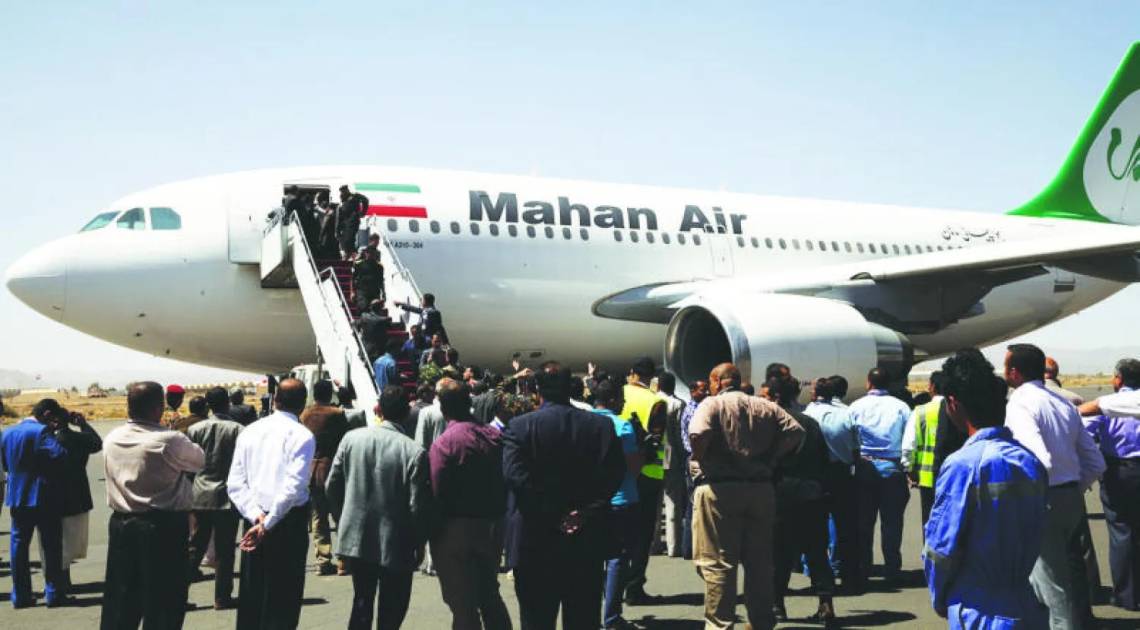
Three days after the first direct Iranian flight to Sanaa in 11 years, Yemeni Presidential Leadership Council Chairman Dr. Rashad al-Alimi escalated his rhetoric toward Tehran, accusing it of exploiting civil aviation to transport experts in drones and missiles as well as military equipment, and called for an international investigation into the flight, stating that it represents 'a flagrant violation of Yemeni sovereignty and a test of the international system's prestige.'
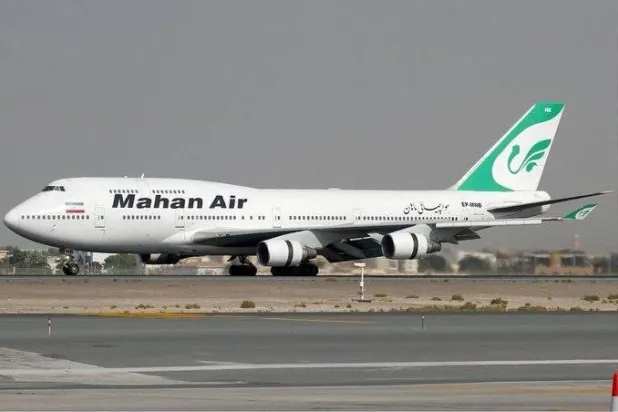
President al-Alimi revealed that the plane, belonging to Iran's Revolutionary Guard, turned off its tracking system over Yemeni airspace, and according to preliminary information, it carried Iranian experts specialized in developing drones and missile systems, security and military personnel, electronic and communications equipment with potential use in command and control systems, as well as Yemenis who had received security training inside Iran. He demanded an international investigation into the flight and its cargo, strict implementation of UN Security Council Resolution 2216, and tightening sanctions on the Houthis and financing and smuggling networks.
Tracking System Turned Off - Al-Alimi's remarks came during his meeting with ambassadors of countries sponsoring the political process, adding that 'the preliminary information held by the Yemeni government shatters the Houthi narrative that described the flight as humanitarian,' affirming that reports indicate the transport of experts and military-use equipment, in addition to Yemeni cadres who received security training inside Iran. He said, 'The plane turned off its tracking system while crossing Yemeni airspace, and repeated interruptions in its signals were observed,' considering that this necessitates an independent international investigation to uncover the circumstances and objectives of the flight, also noting that the plane belongs to a company previously linked to international sanctions and accusations of providing logistical support to Iran's Revolutionary Guard, which increases the seriousness of the incident.
Chairman of the Leadership Council: Flight of Revolutionary Guard plane to Sanaa is a flagrant violation of Yemeni sovereignty and a direct challenge to the prestige of the international system https://t.co/vkDEGROG36
— Yemen News Agency (Saba) (@sabanew_) July 6, 2026
The Yemeni Leadership Council Chairman considered that the flight represents a deliberate attempt to test the international community's ability to implement its decisions and break the sanctions regime, warning that allowing armed groups to use civil aviation to transfer military expertise would set a precedent threatening international navigation security and the global economy, and that the Yemeni issue has become a direct challenge to the international order. He called for preventing the use of airports, ports, and civil aviation to transport experts or military-use equipment, and tightening control over smuggling and financing networks linked to the Houthis.
In contrast, al-Alimi compared what he described as Iran's project in Yemen, based on supporting militias and prolonging the war, with the Saudi role, praising Riyadh's political, economic, and humanitarian support for the Yemeni government, including the central bank, funding electricity, water, health, and education projects, and sponsoring peace efforts.
Accusations against Houthis - Al-Alimi held the Houthis responsible for the continuation of the humanitarian crisis, accusing them of directing resources toward buying and smuggling weapons, developing missiles and drones, and funding recruitment operations, instead of paying employee salaries and improving services, in addition to targeting humanitarian institutions and obstructing their work in areas under their control, and exploiting truces and political initiatives to rebuild their military capabilities. He reiterated the Yemeni government's commitment to the peace option based on the three references, warning that 'if international deterrence continues to be absent today, Yemen cannot be safe from what the militias will do tomorrow.'
Read more - Houthis escalate to cover up tribal rejection - How did the Houthis take refuge in Hodeidah and its port? - Tehran's repercussions heard in Sanaa and Houthi cautiously watches
The suspicious Iranian plane had landed last Friday at Sanaa airport, stayed for three hours before returning to Tehran. At that time, the Houthis said it transported more than 200 patients and stranded people, then carried their delegation to Khamenei's funeral, a narrative that the legitimate government's account denied today.
Exporting its tribal crisis - The Coalition to Support Legitimacy in Yemen accused, the day before yesterday Saturday, the Houthi group of trying to divert attention from its internal crises and alleged violations through media escalation against Saudi Arabia, at a time when areas under the group's control are witnessing escalating tribal tensions in Al-Jawf governorate, northeastern Yemen. The official spokesman of the 'Coalition Forces', Major General Turki al-Maliki, said in a statement that the Houthis' recent statements against Saudi Arabia 'are nothing but an attempt to divert attention from the violations committed by the militias against the Yemeni people, export their economic and social problems, and cover up the growing popular and tribal rejection.'
This coincides with an escalating tribal crisis, as tribes from several provinces have flocked in response to a call from tribal sheikh Hamad bin Fadhgham al-Hazmi, one of the most prominent sheikhs of the Dham tribes, following a dispute with the Houthi group over a case of a woman known as Mira Saddam Hussein. Tribes continue to flock to the prominent sheikh in his stand against the Iran-backed group, the latest being tribes from Saada province, which was the launching center of the Houthi movement in the 1990s and its main stronghold.
Original source: Independent Arabia

Comments (0)
Be the first to comment.