Urgent: US military launches new strikes on sites in southern Iran, Tehran says strikes 'foiled' all diplomatic efforts
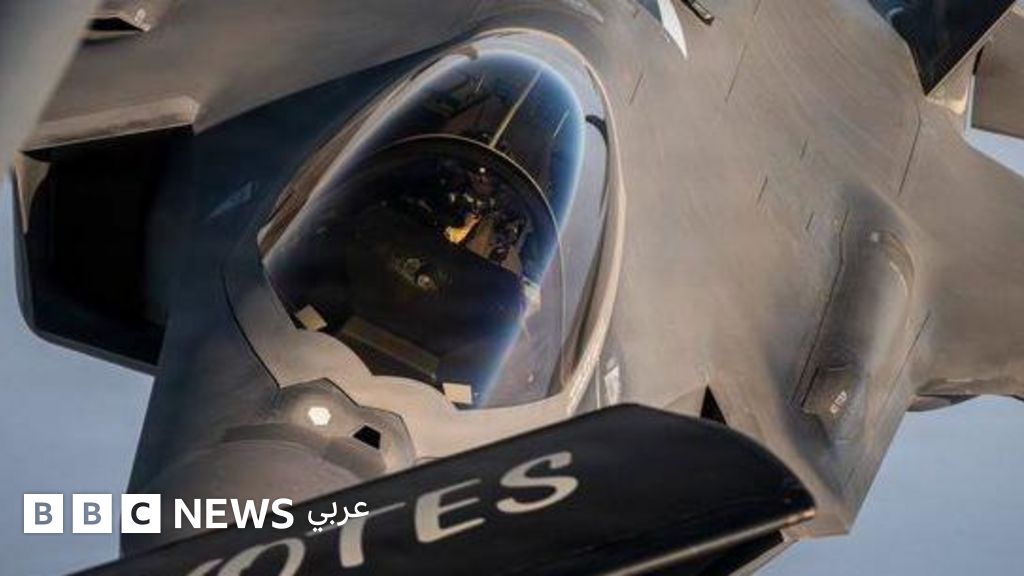
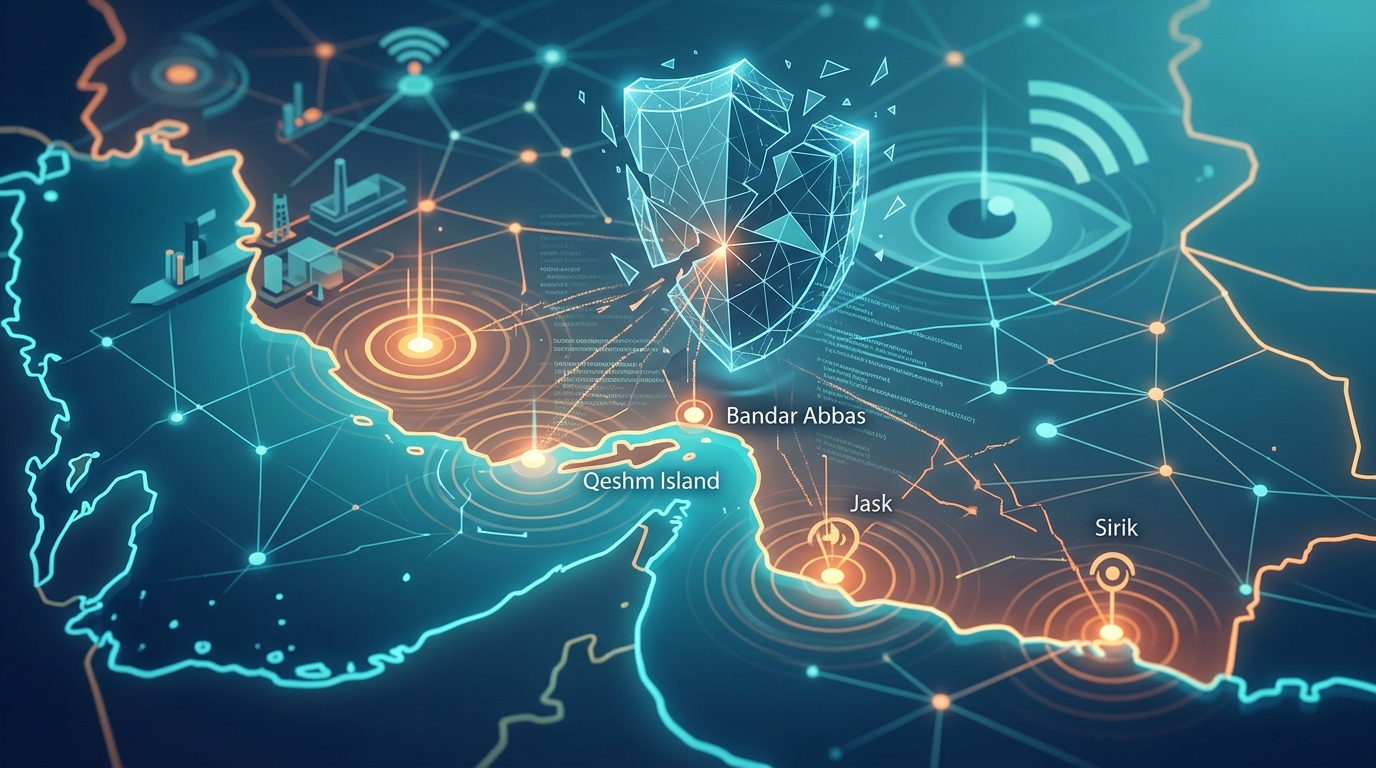
Iranian TV reports hearing multiple explosions near Sirik and in the southern regions of Qeshm and Jask.
Urgent: US military launches new strikes on sites in southern Iran, Tehran says strikes 'foiled' all diplomatic efforts
Published July 12, 2026, 21:33 GMT
Last updated 4 minutes ago
Reading time: 2 minutes
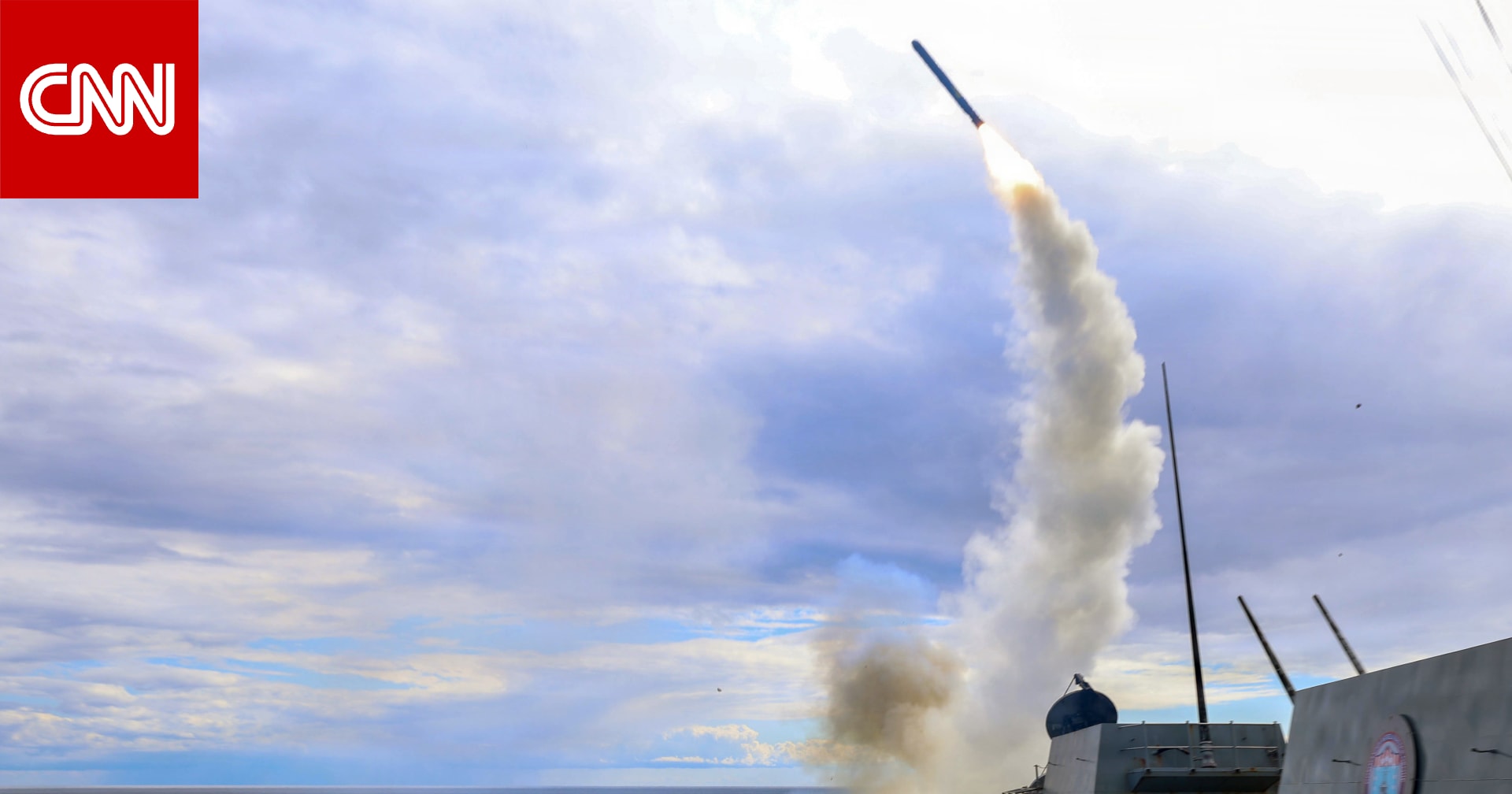
The US Central Command (CENTCOM) announced that it has begun launching further strikes against Iran to continue undermining its ability to attack civilian sailors and commercial vessels transiting the Strait of Hormuz freely.
The US Central Command said in a statement on platform X that its forces began launching these strikes at 21:00 GMT, under the direction of US President Donald Trump as Commander-in-Chief.
Meanwhile, Iranian TV reported hearing multiple explosions near Sirik and in the southern regions of Qeshm and Jask, while Iranian Mehr news agency said initial reports indicated explosions in parts of Bushehr province in the south of the country.
Iran condemned the latest wave of US attacks on its territory, saying it rendered all diplomatic efforts over the past few months 'futile'.
A Foreign Ministry statement said: 'The US regime has also caused the return of insecurity in the Strait of Hormuz and disruption of international commercial navigation through its overt interference in Iran's implementation of necessary arrangements in the Strait of Hormuz.'
The US strikes came after CENTCOM published a tweet on platform X denying Iranian media reports about the killing of three US soldiers in Kuwait as a result of Iranian attacks.
CENTCOM said this is 'untrue', and the fact is that no reports of deaths or injuries among US forces in the region have been received. All personnel are safe.
Meanwhile, the spokesperson for the UN Secretary-General expressed grave concern over the dangerous escalation and renewed military confrontations in the Gulf, including Iranian attacks on ships in the Strait of Hormuz, US attacks on Iran, and Iranian attacks on targets in neighboring countries.
Skip most read and continue reading
Qatar announces death of former Emir Sheikh Hamad bin Khalifa Al Thani
Why do mosquitoes bite some people more than others?
Syria gives Trump a way to bypass the Strait of Hormuz – article in The Telegraph
Popular celebration for Egyptian national team after controversy over its reception in El Alamein
Skip podcast and continue reading
Worth attention
In-depth explanation of major events and topics, to help you understand the most important changes around you and their impact on your life
Episodes
Podcast end
The statement stressed the need to stop all these attacks, calling on all parties to exercise maximum restraint, avoid any further escalation, and take immediate steps to de-escalate.
The UN spokesperson reaffirmed that a return to full-scale hostilities would have severe consequences for the peoples of the region, international peace and security, and the global economy, and also reiterated the need to restore full freedom of navigation in the Strait of Hormuz.
In response to the statement, Iranian Foreign Ministry spokesperson Esmaeil Baghaei published a message addressing the UN spokesperson, explaining that what is happening is not a 'military confrontation' but a 'continuation of an unjustified overt act of aggression' started by the United States and Israel on February 28 last.
Baghaei added in the message posted on platform X that Iran does not 'attack', and that its targeting of US military bases and facilities in the southern Gulf is a 'legitimate and lawful exercise of its inherent right to self-defense under international law'.
He called on the UN to urge the relevant countries to immediately stop allowing the United States to use their territories as launch pads for aggression against Iran, stressing that Tehran should not be blamed for defending its sovereignty.
The Iranian spokesperson hinted at his objection to the UN spokesperson's use of the term 'Gulf' in his published message, stressing the need to use the term 'Persian Gulf' which is mandatory in all UN texts, based on UN directives issued on August 18, 1994 and May 14, 1999.
Earlier, the Iranian Foreign Ministry announced that the Muscat talks on Saturday focused on managing the Strait of Hormuz, but the United States, by putting pressure on Oman, prevented a result on this matter.
US and Iranian forces are exchanging strikes again, amid conflicting statements from both sides over whether the Strait of Hormuz is open.
Skip short clips and continue reading
Short clips
Short clips end
Original source: BBC Arabic

Comments (0)
Be the first to comment.