Bombing of Sanaa Airport to Prevent Iranian Plane from Landing
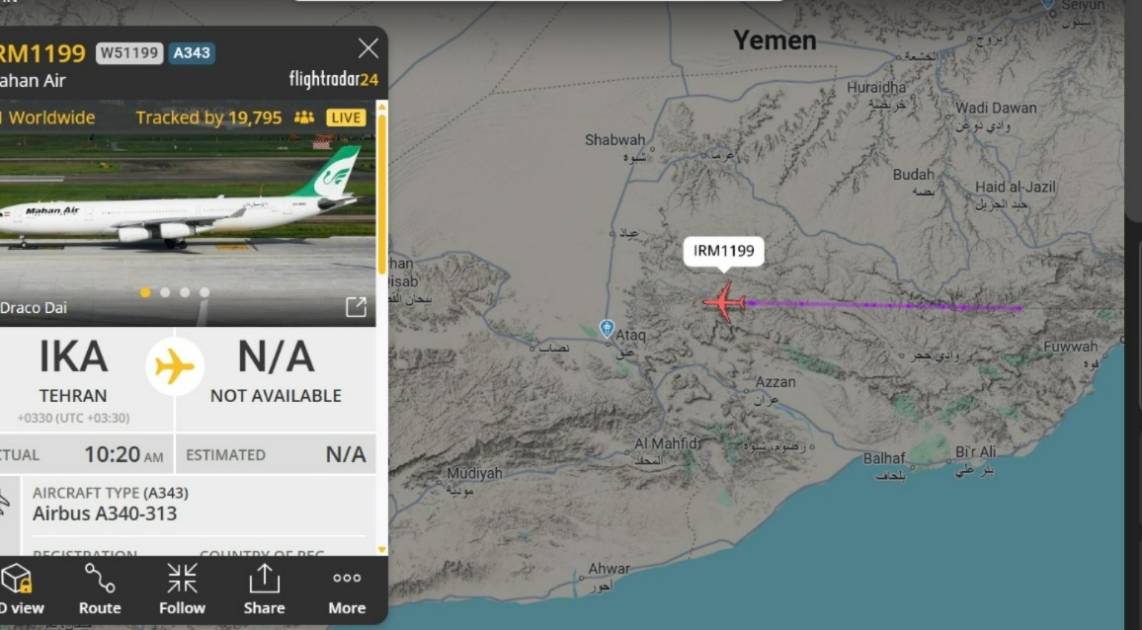
Summary: Yemeni government forces targeted the runway of Sanaa International Airport to prevent an Iranian plane from landing, before the plane arrived at Hodeidah Airport, marking the first landing there since 2015. The authorities announced the closure of all airports in the country until further notice, amid warnings of confronting any new violation of Yemeni airspace.
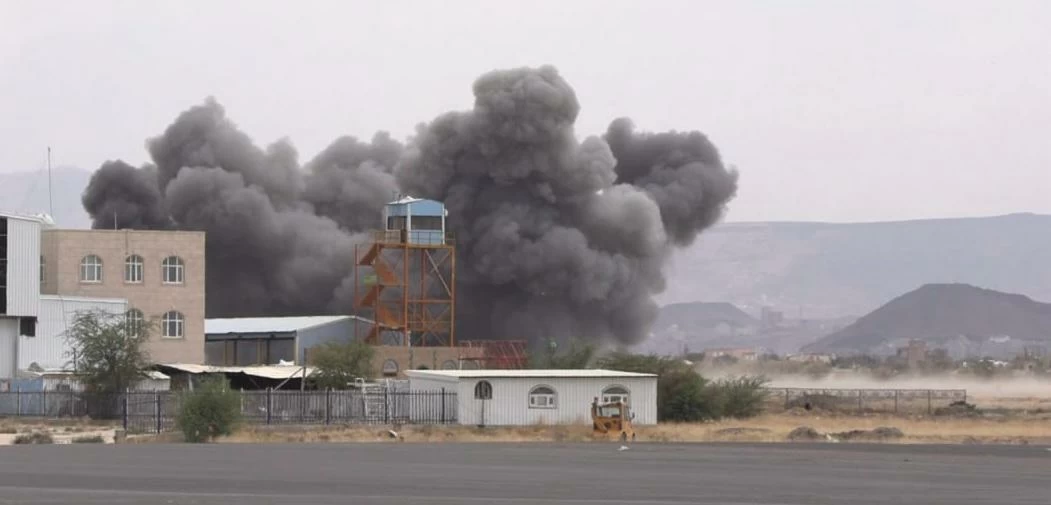
An attempt by an Iranian plane to land in areas controlled by the Houthis sparked a new confrontation in Yemen's airspace on Monday, after government forces targeted the runway of Sanaa airport to prevent its arrival, before the plane headed to Hodeidah airport and landed there, in a development that pushed the authorities to close all airports in the country to air traffic until further notice.
The crisis began with the Yemeni government announcing its rejection of what it described as an attempt by the Houthis and Iran to impose a fait accompli by violating Yemeni airspace, and threatening to prevent the plane heading to Sanaa from landing.
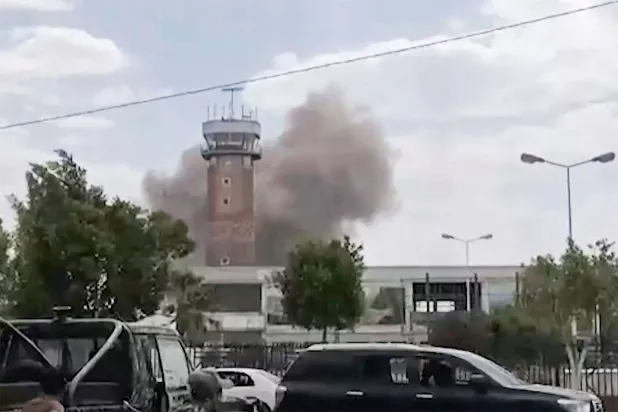
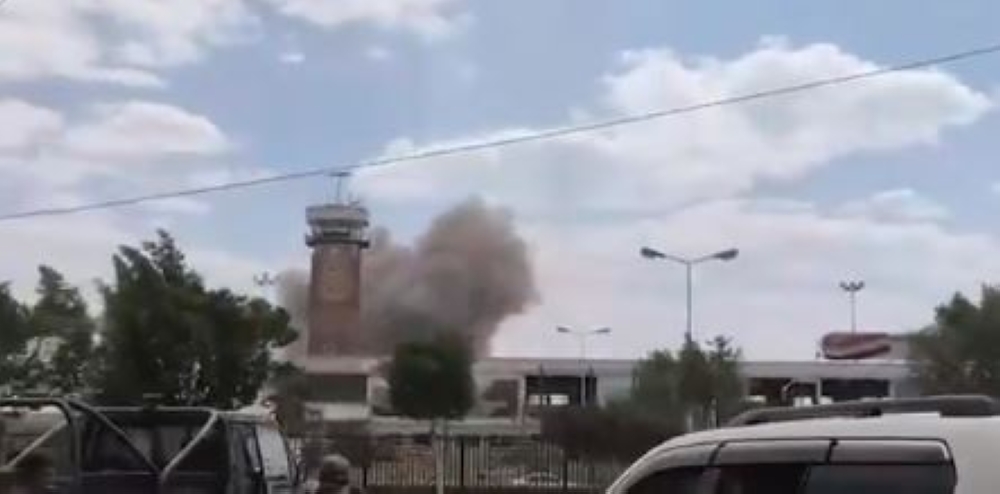
Local sources told Independent Arabia that they heard the sound of bombing in the vicinity of Sanaa International Airport, after the Ministry of Defense asked civilians to stay away from the airport, before the Yemeni armed forces announced targeting its runway "to prevent the Iranian plane from landing on Yemeni soil."
The armed forces said the Houthis prevented Yemeni national aviation from landing at Sanaa airport and insisted on allowing Iranian aviation to violate the country's territory, which prompted them to target the runway.
After targeting the runway of Sanaa airport, local sources reported that the Houthi government's Minister of Transport oversaw arrangements to receive the plane at Hodeidah airport, where it later landed, in the first landing of a plane on the airport's runway since 2015.
Eyewitnesses confirmed to Independent Arabia that thick dust rose during the landing process, while sources suggested that the plane's heading towards Sanaa was a maneuver to pave the way for diverting its course to Hodeidah.
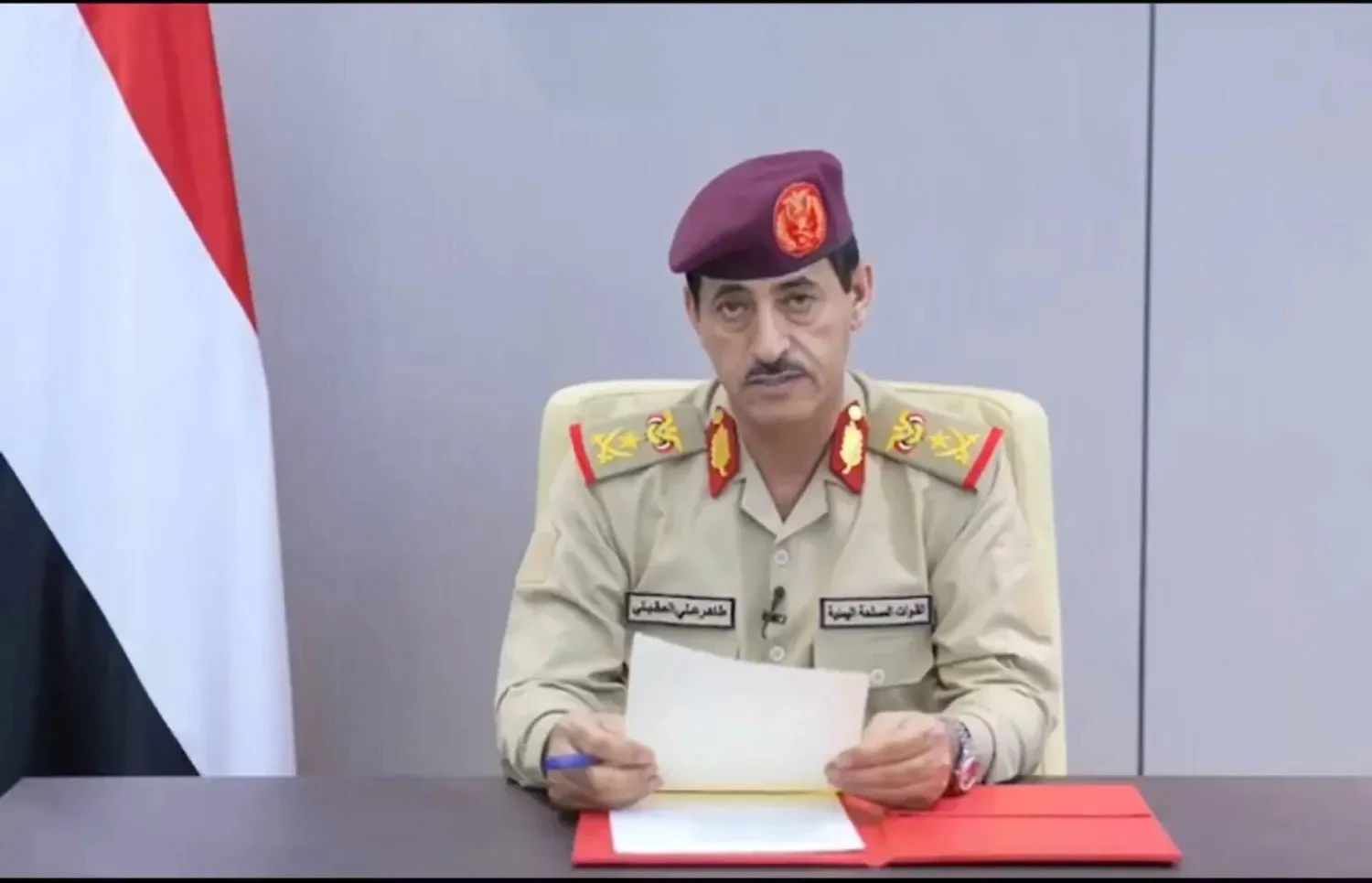
Following the developments, Yemeni Defense Minister Lieutenant General Taher al-Aqili announced, in a televised statement on behalf of the Yemeni armed forces, that the army would respond to any violation of Yemeni airspace by Iran or the Houthis, stressing that the government had exhausted political and diplomatic means before reaching this stage.
Al-Aqili said the government tried 'by all means' to convince Iran and the Houthis to return to 'the right path,' and made efforts to prevent the violation of Yemeni airspace and avoid dragging the country into a cycle of regional escalation, but those efforts did not yield results.
He added that 'patience has run out,' stressing that the armed forces will respond 'in the appropriate manner' to any new violation, and will not allow the continued breach of the country's sovereignty or the use of its airspace in any military operations.
The defense minister affirmed that the armed forces will confront hostile aircraft that violate Yemeni airspace and will deal with them using all available military means, within the framework of the state's right to protect its sovereignty and territorial integrity.
Read more
The full story of the Iranian plane that violated Yemen's airspace
Omani mediation returns Houthi delegation from Iran to Muscat
How did the Houthis take shelter in Hodeidah and its port?
For his part, Yemeni Presidential Leadership Council Chairman Rashad al-Alimi said the armed forces targeted the runway of Sanaa airport as part of 'defensive measures' to prevent the imposition of a fait accompli that affects the country's sovereignty, confirming that the forces were on the highest state of readiness.
Al-Alimi added, in a second statement issued Monday, that he directed giving priority to protecting civilians' lives and public property and not expanding the scope of confrontation, after completing military, security and political assessments.
He affirmed that the state 'will not allow in the future any plane to violate Yemeni airspace,' whether heading to Sanaa airport or any other airport, stressing continued readiness to prevent the recurrence of such violations.
Al-Alimi held the Houthis and Iran responsible for the escalation, and directed the armed forces and security agencies to continue raising readiness levels, and also called the Presidential Leadership Council to an emergency meeting to review developments and adopt necessary measures.
Al-Alimi had said, in a previous statement, that the Houthis insisted on receiving an Iranian flight outside the legal and sovereign frameworks regulating civil aviation, despite mediation and efforts to contain the situation.
He explained that the government expressed its readiness to resume civilian flights via Yemen Airways, and to facilitate the transfer of Houthi elements from Tehran to Sanaa on a plane chartered by the company, but the group rejected these initiatives.
Al-Alimi called on the international community and the Security Council to move from 'the stage of condemnation to the stage of deterrence,' and to enforce international resolutions and apply the sanctions regime.
In the latest measures, the Yemeni Civil Aviation Authority announced the closure of all airports in the country to air traffic until further notice.
Original source: Independent Arabia


Comments (0)
Be the first to comment.