Behind the US Strikes: How Is Iran Changing Its Strategy in the Strait of Hormuz and Target Bank?
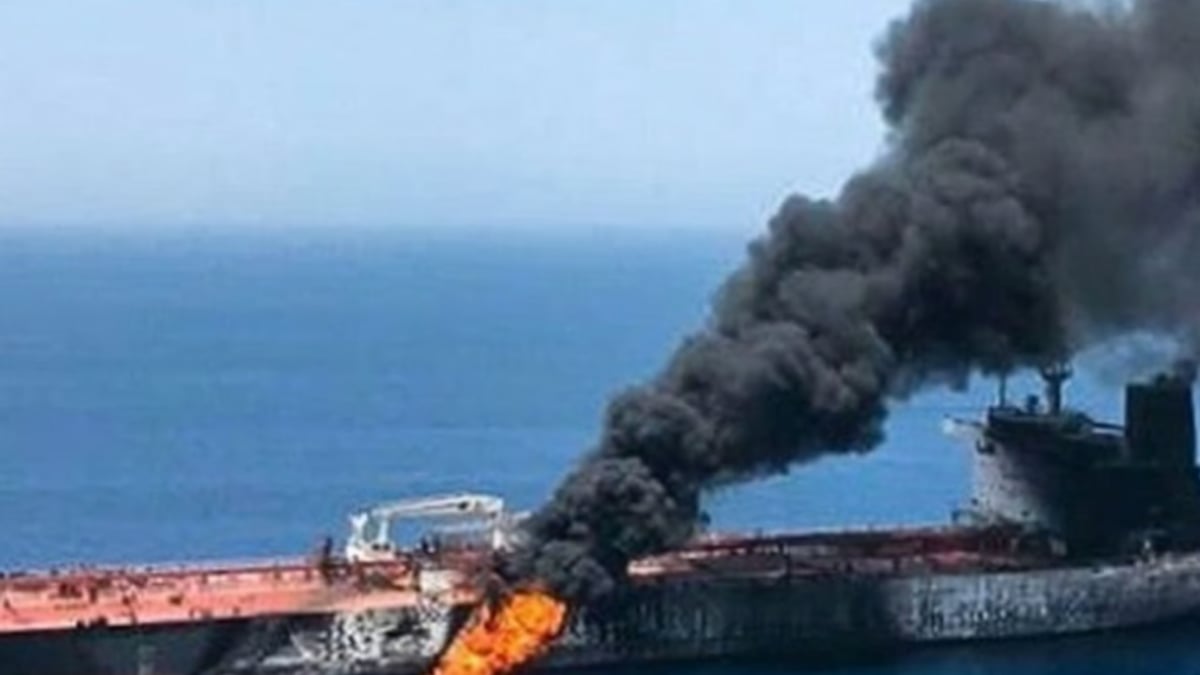
Dr. Nabil al-Atoum, director of the Iranian Studies Program, said that current developments indicate a confrontation at a more dangerous stage, likely leading Iran to expand its target bank.
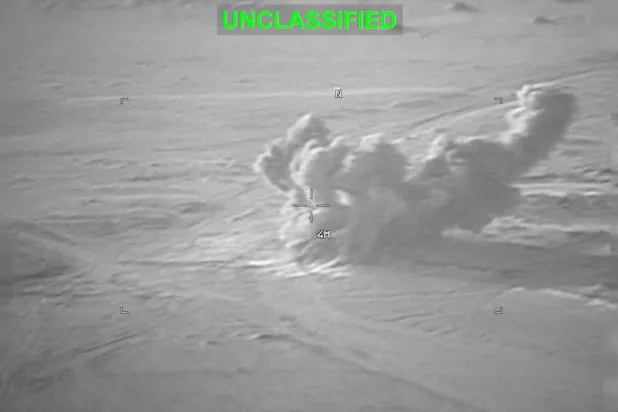
Al-Atoum added, in an intervention on 'Al Arabiya FM', that the operations were not limited to airstrikes but rather changing the field reality in the Strait of Hormuz, and the US strikes appear preliminary, primarily focusing on boats, radars, and air defenses to weaken Iran's capability.
He continued that this may pave the way for limited ground landing operations on a larger theater of operations, diversifying these targets, as seven Iranian islands in the Gulf were targeted, in addition to Iranian coastal sites and more than 16 geographical areas inside Iran.
Al-Atoum added that US President Donald Trump links the current operations to the killing of American soldiers as a result of Iranian strikes to legitimize the operations, control the Strait of Hormuz and Iranian coasts, and then reach the Iranian depth.
He continued that the US goal is not just to reopen the Strait of Hormuz but to secure exports through the strait and carry out qualitative operations such as targeting the Iranian Ras al-Fas facility; because Trump has begun to insist on burying all elements of the Iranian nuclear program.
He concluded that Iran realizes that losing its islands overlooking the Strait of Hormuz will cost it the most important economic negotiation cards, and it is likely that Iran will rely on a war of attrition and targeting ships passing through the Gulf, but it may expand regional retaliation operations by targeting American bases and interests, energy facilities and infrastructure in the region, and raising the cost for the United States, while hinting at introducing the Bab el-Mandeb card.
Original source: Ajel.sa


Comments (0)
Be the first to comment.