Israel carries out explosion in southern Lebanon, drones fly over Beirut skies
Israeli warplanes carried out mock raids on Lebanon's northern border, according to the official news agency..
Beirut / Wasim Saif al-Din / Anadolu
The Israeli army on Monday carried out a huge explosion in a village in southern Lebanon, amid intense flights of Israeli drones over Beirut and its suburbs.
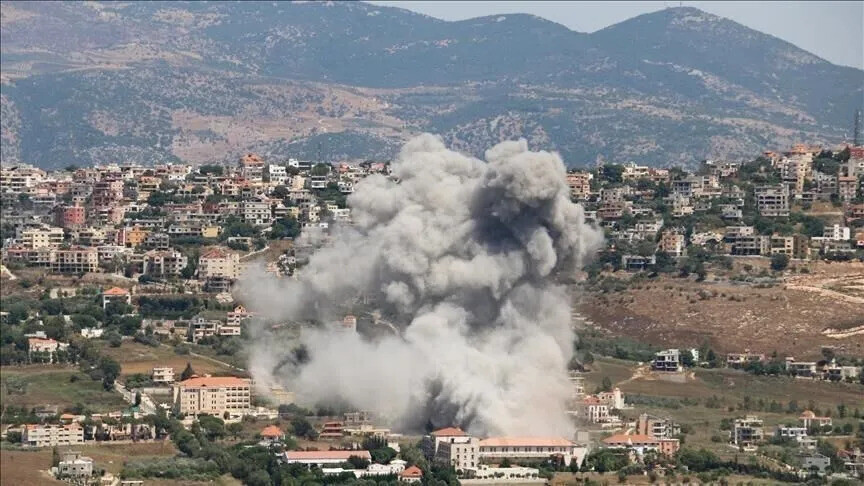
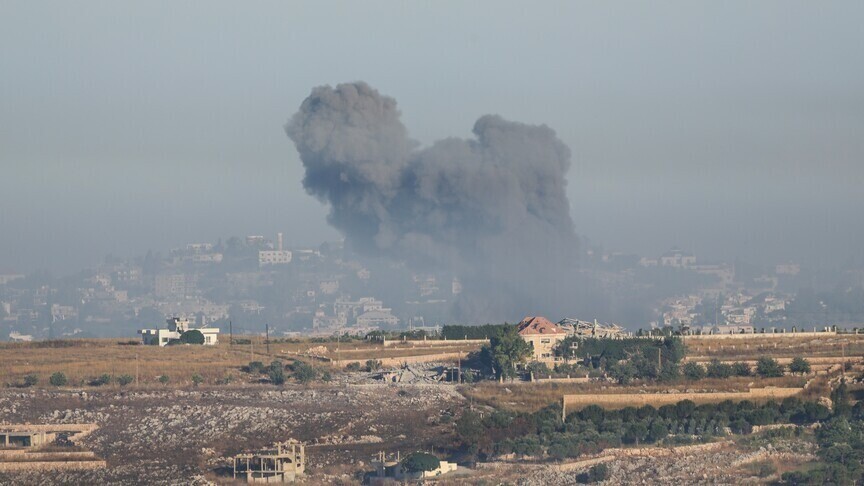
Lebanon's official National News Agency reported hearing a loud explosion before noon on Monday, later determined to be caused by a detonation carried out by the Israeli army in the town of Kfar Tebnit, where thick clouds of smoke were seen rising over the town.
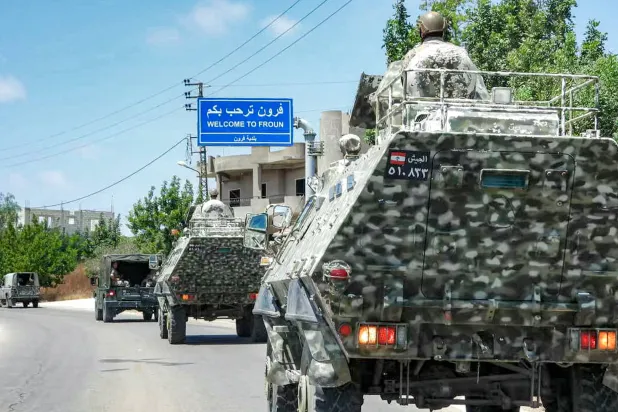
In the Marjayoun district (south), three successive explosions were heard in the Al-Qlaia field area, later found to be caused by a Lebanese army unit detonating unexploded ammunition, shells, and rockets as part of operations to clear war remnants and secure the area, according to the agency.
These operations are part of a program launched by the Lebanese army command to detonate unexploded ordnance in the Al-Qlaia field during the period from July 15 to 20.
In context, the Lebanese agency reported that an Israeli drone dropped a sound bomb in the skies of the town of Mansouri in the Tyre district in southern Lebanon, while Israeli drones flew over Beirut and its suburbs.
Israeli warplanes also carried out mock raids on Lebanon's northern border and over the Akkar highlands (north) and Hermel (east), according to the agency.
This comes as the Israeli army continues its aggression against the country, despite the 'framework formula' signed by Beirut and Tel Aviv under US auspices on June 26, 2026, which stipulates a gradual Israeli withdrawal from all occupied Lebanese territories, starting with a model in two unspecified pilot areas.
The formula did not include a timetable for withdrawal, and linked its completion to the Lebanese army assuming full security responsibility in areas from which Israeli forces withdraw, along with disarming armed groups, in reference to 'Hezbollah'.
On Saturday, the Lebanese Health Ministry announced that the death toll from Israeli attacks had risen to 4,328 killed and 12,227 wounded since March 2, 2026.
Israel occupies areas in southern Lebanon, some for decades, and others since the previous war between October 2023 and November 2024.
Original source: Anadolu Agency



Comments (0)
Be the first to comment.