Iran again threatens to target infrastructure in the region
Brigadier General Abolfazl Shkarchi, spokesman for the Iranian General Staff, said: "If our infrastructure is attacked, all infrastructure in the region will become our targets."
ISTANBUL / AA
The spokesman for the Iranian General Staff, Brigadier General Abolfazl Shkarchi, warned that any attack on Iranian infrastructure would lead to targeting all infrastructure in the region.
Shkarchi said in a statement to Iranian state television on Thursday evening: "If our infrastructure is attacked, all infrastructure in the region will become our targets."
He considered the United States responsible for the current tension in the region, saying: "The problem is that the United States came here from the other side of the world; if it were not present, the countries of the region would not have problems among themselves."
The Iranian spokesman reiterated his country's assertion that it will never allow any American intervention in the Strait of Hormuz.
He added: "If the United States were not present in the region, the Strait of Hormuz would not have been closed."
Shkarchi pointed out that Iran has designated a safe maritime corridor for the passage of ships in the strait.
He warned that any other routes would be considered unsafe, and ships using them might be at risk.
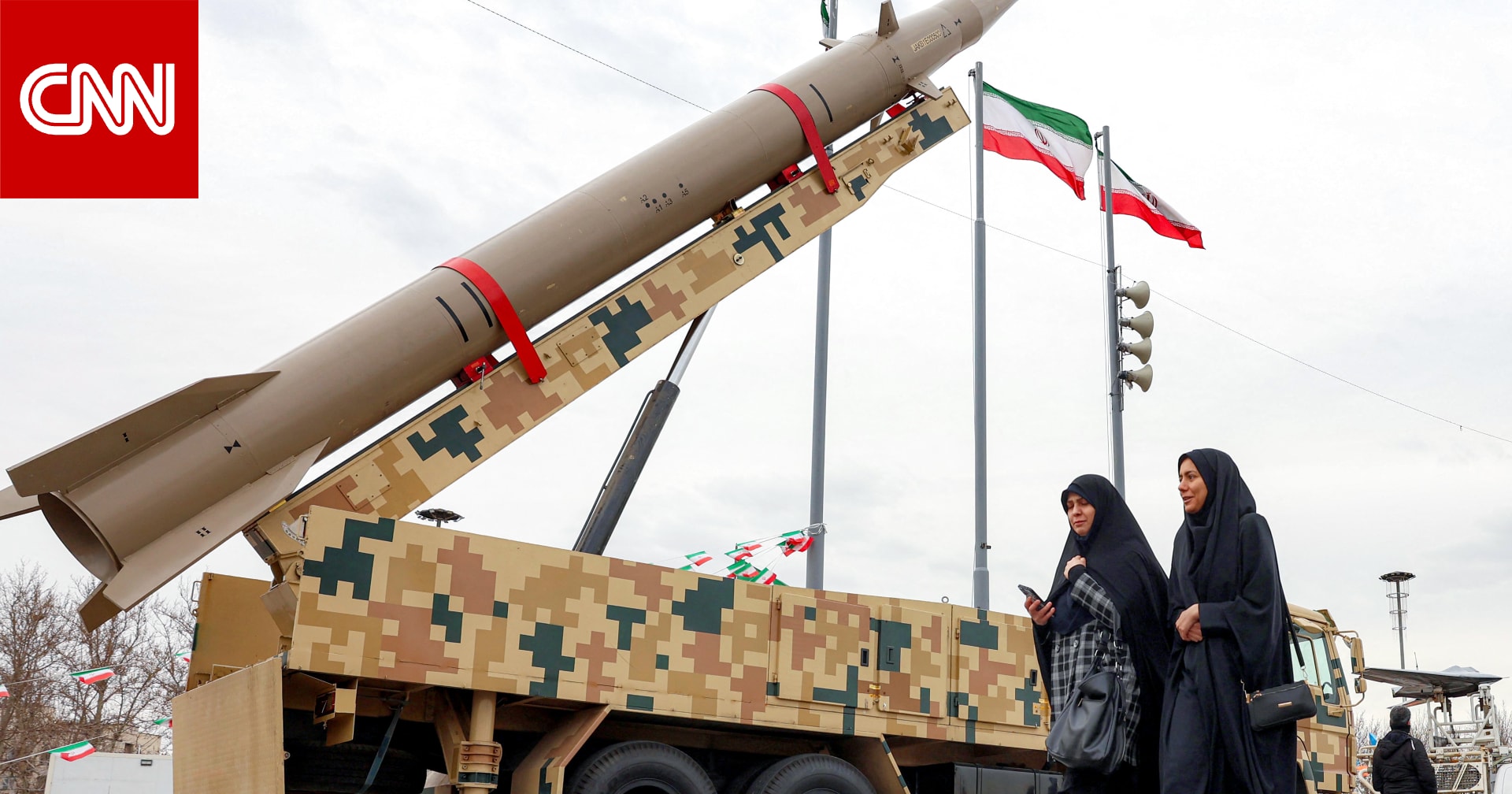
Regarding Iranian military capabilities, Shkarchi said his country has sufficient strength to wage a long-term war.
He added that Iran's military power has become greater than it was during the "Twelve-Day War."
Shkarchi affirmed that Iran continues to develop its military capabilities.
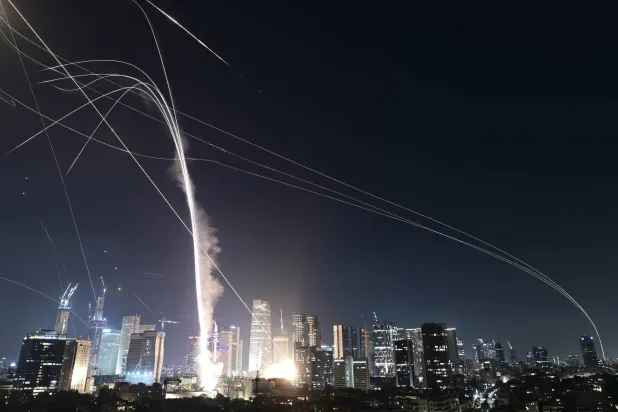
Earlier on Thursday, the US Central Command (CENTCOM) announced the start of a new wave of strikes against Iran, for the fifth consecutive night.
On June 18, 2026, Washington and Tehran signed a memorandum of understanding that included a ceasefire and began negotiations mediated by Pakistan and Qatar to end the war launched by the United States and Israel against Iran on February 28 of the same year.
However, US President Donald Trump announced on July 8, 2026, the end of the ceasefire due to renewed escalation, after Iran attacked three ships the day before while they were transiting the Strait of Hormuz, claiming they did not comply with the navigation route it had set, prompting Washington to respond by launching attacks on sites inside Iran.
Washington supports the passage of commercial ships through the Strait of Hormuz on a route different from that set by Iran, which Tehran rejects, asserting that it targets any ship that does not coordinate with it before crossing the strategic strait for global energy supplies.
Original source: Anadolu Agency

Comments (0)
Be the first to comment.