CENTCOM Announces Completion of Eighth Wave of Attacks on Iran
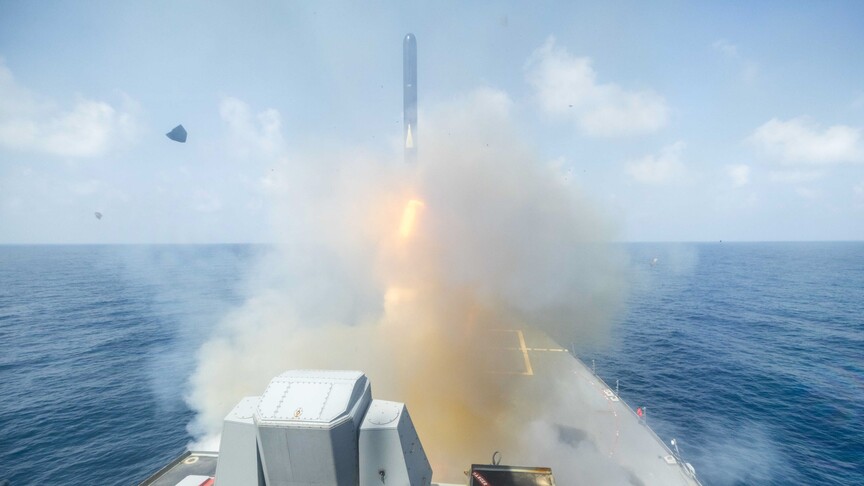
The U.S. Central Command said it targeted Iranian military facilities and sites on Saturday evening, with no immediate comment from Tehran..
Istanbul / Anadolu
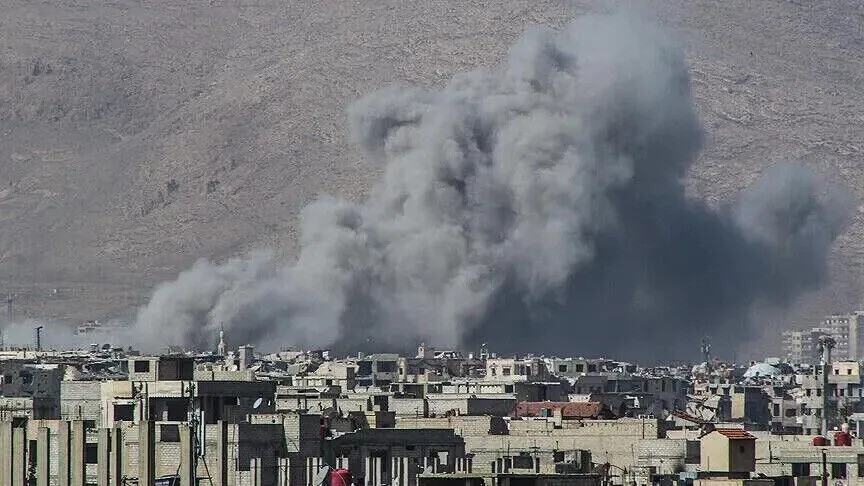
The U.S. Central Command (CENTCOM) announced on Sunday the completion of an eighth wave of attacks on Iran, saying it targeted Iranian military facilities and defensive and naval capabilities.
CENTCOM stated in a statement that it carried out a new round of strikes against Iran on Saturday evening.
It explained that its forces 'succeeded during the eighth consecutive night of U.S. strikes in targeting Iranian military coastal surveillance and air defense facilities, naval capabilities, and sites for storing missiles and drones,' without specifying their locations.
The Central Command stated that the strikes are part of ongoing efforts to undermine Iranian military capabilities.
It also pointed to targeting forces of Iran's Islamic Revolutionary Guard Corps, which it said launched attacks against American military personnel in Jordan on Friday.
CENTCOM confirmed that more than 50,000 U.S. military personnel are deployed across the Middle East.
There was no immediate comment from Iranian authorities on the eighth wave of U.S. attacks.
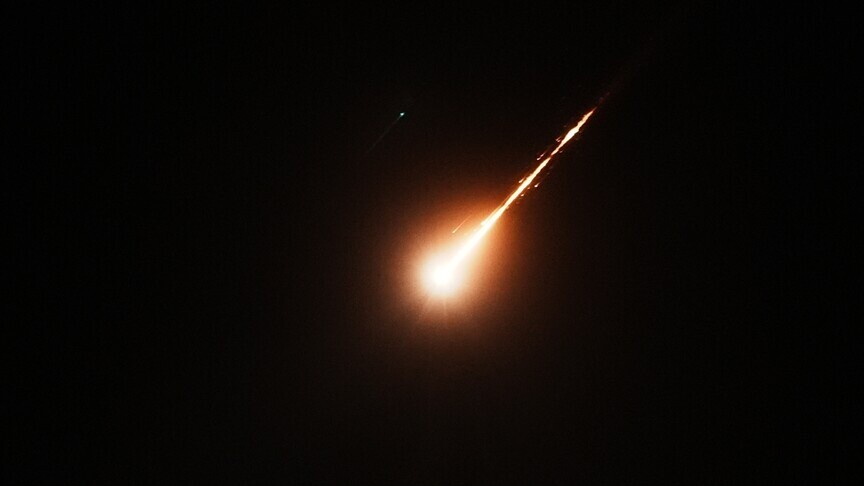
On Saturday, Iran's Islamic Revolutionary Guard Corps announced in a statement that it carried out a simultaneous missile and drone attack targeting fighter aircraft hangars and a large aircraft parking area at the U.S. base in the Jordanian city of Azraq.
It said the attack resulted in the complete destruction of at least two fighter jets and three American aircraft, and caused extensive damage to several others, according to Iran's official news agency (IRNA).
For days, the United States has been launching successive waves of strikes on sites inside Iran, while Tehran has been attacking what it says are American ships, facilities, and military bases in several countries in the region.
This comes despite Washington and Tehran signing a memorandum of understanding on June 18, 2026, which included a cessation of military operations and the start of negotiations to reach a broader agreement.
However, U.S. President Donald Trump announced on July 8 of this month the termination of the interim agreement, after Iran targeted three ships in the Strait of Hormuz, prompting Washington to resume its strikes inside Iran amid escalating responses from Tehran in the region.
Washington demands ensuring freedom and security of navigation in the Strait of Hormuz, while Tehran insists on imposing a mechanism to regulate the passage of ships through the strategic waterway, exacerbating concerns about disruption of oil and gas exports from the region.
Original source: Anadolu Agency

Comments (0)
Be the first to comment.