GCC: Iran's Attacks and Houthi Threats Require a Firm International Stance
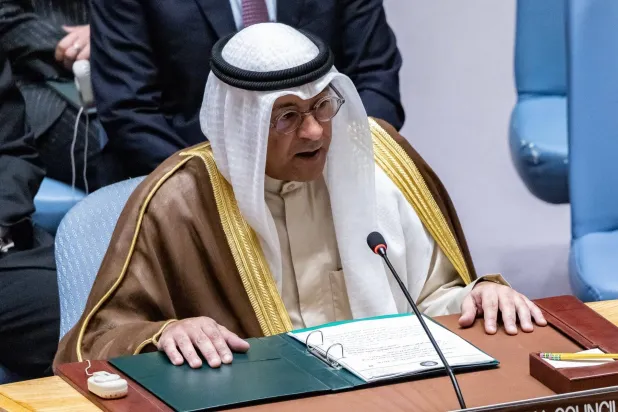
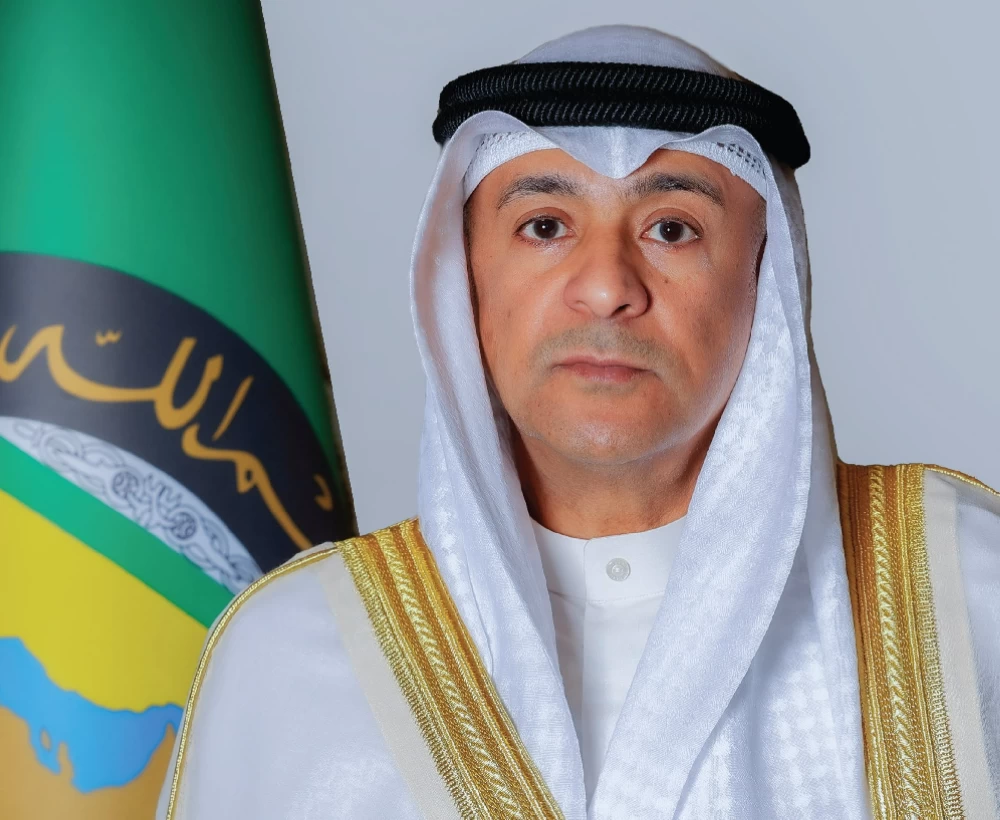
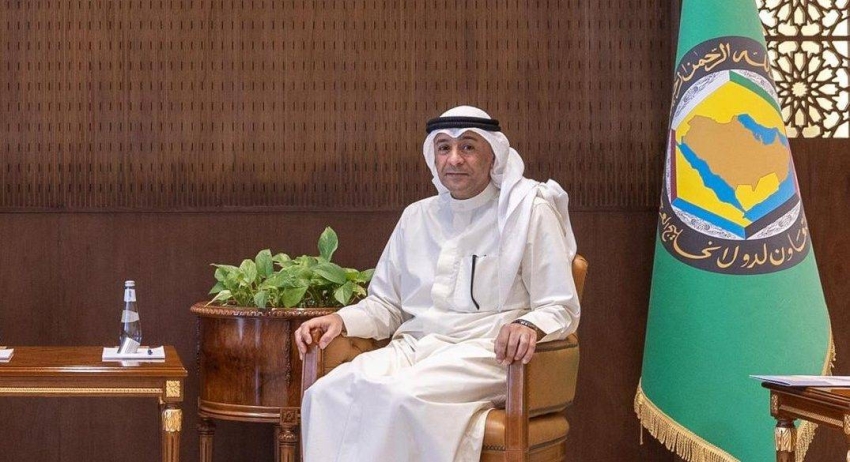
Jassim Al-Budaiwi, Secretary-General of the Gulf Cooperation Council, affirmed that the treacherous Iranian attacks on Gulf states and the threats by the Houthi militia to close the Bab el-Mandeb strait require immediate accountability and a firm international stance that ensures respect for the rules of international law, guarantees freedom of navigation, and protects vital infrastructure related to energy and natural resources.
This came during his speech at the high-level open debate of the UN Security Council titled 'Governance of Natural Resources: A Pillar for Peace, Security and Prosperity' in New York on Wednesday. Al-Budaiwi said that this topic is gaining increasing importance in light of the major challenges facing the international community and the resulting necessity to strengthen the interlinkage between security and sustainable development.
The Secretary-General explained that when natural resources are managed according to the principles of good governance, transparency, the rule of law, and international cooperation, they become an effective tool for development and prosperity at the national and international levels. However, if they are used as a means of war or political pressure, and the related infrastructure is targeted or supply routes disrupted, they become a source of instability, with negative repercussions on the global economy and international peace and security.
Al-Budaiwi added: 'Based on this conviction, the Gulf states have made good governance of natural resources a fundamental pillar of their national and collective policies.' He noted that they possess about 30 percent of the world's oil reserves, approximately 20 percent of natural gas reserves, and contribute about a quarter of global oil production, which has made them a reliable partner in achieving stability in global energy markets, even in times of crises and geopolitical fluctuations.
The discussion was held under the title 'Governance of Natural Resources: A Pillar for Peace, Security and Prosperity' (GCC)
The Secretary-General stated that the GCC states have continued to use their natural resource revenues to build more diversified and sustainable economies, invest in human capital, develop infrastructure, enhance innovation, and launch ambitious national visions on one hand, while expanding renewable energy and low-emission hydrogen projects on the other, reflecting their commitment to balancing energy security and climate action.
Al-Budaiwi stressed that the governance of natural resources is inseparable from the security of global supply chains, particularly the protection of vital infrastructure and international maritime corridors through which global trade and energy supplies pass, as they are essential pillars for the stability of the global economy. He affirmed that any attack on these corridors or disruption of navigation there not only threatens the interests of exporting countries but also directly impacts global energy security, supply chains, and the stability of international markets.
The Secretary-General pointed out that since February 28 of last year, Iran has continued to launch ballistic missile and drone attacks on Gulf states and others, without any legitimate justification and in flagrant violation of the principles of international law, the UN Charter, and the rules of good neighborliness. He noted that these ongoing attacks still pose a serious danger to the GCC states and the regional and international community, disrupt development and stability, and expose the global economy to grave risks.
Al-Budaiwi called on the international community, led by the Security Council, to assume its legal responsibilities to put an end to these attacks and deter Iran from continuing its aggressive policies, in order to preserve international peace and security and safeguard the sovereignty and territorial integrity of states. He stressed that these attacks not only target the states under attack but also represent an extension of a policy that harms the Iranian people themselves, who are suffering under a regime that squanders the country's resources on escalation and conflict instead of directing them toward development, prosperity, improving the living standards of its citizens, and securing their future.
Jassim Al-Budaiwi affirmed that the session's topic is gaining increasing importance in light of the major challenges facing the international community (GCC)
The Secretary-General pointed out that this Iranian behavior is rejected and contradicts the UN Charter, undermines international efforts to achieve peace, security, and prosperity, and underscores the need for a firm international stance that ensures respect for the rules of international law, guarantees freedom of navigation, and protects vital infrastructure related to energy and natural resources.
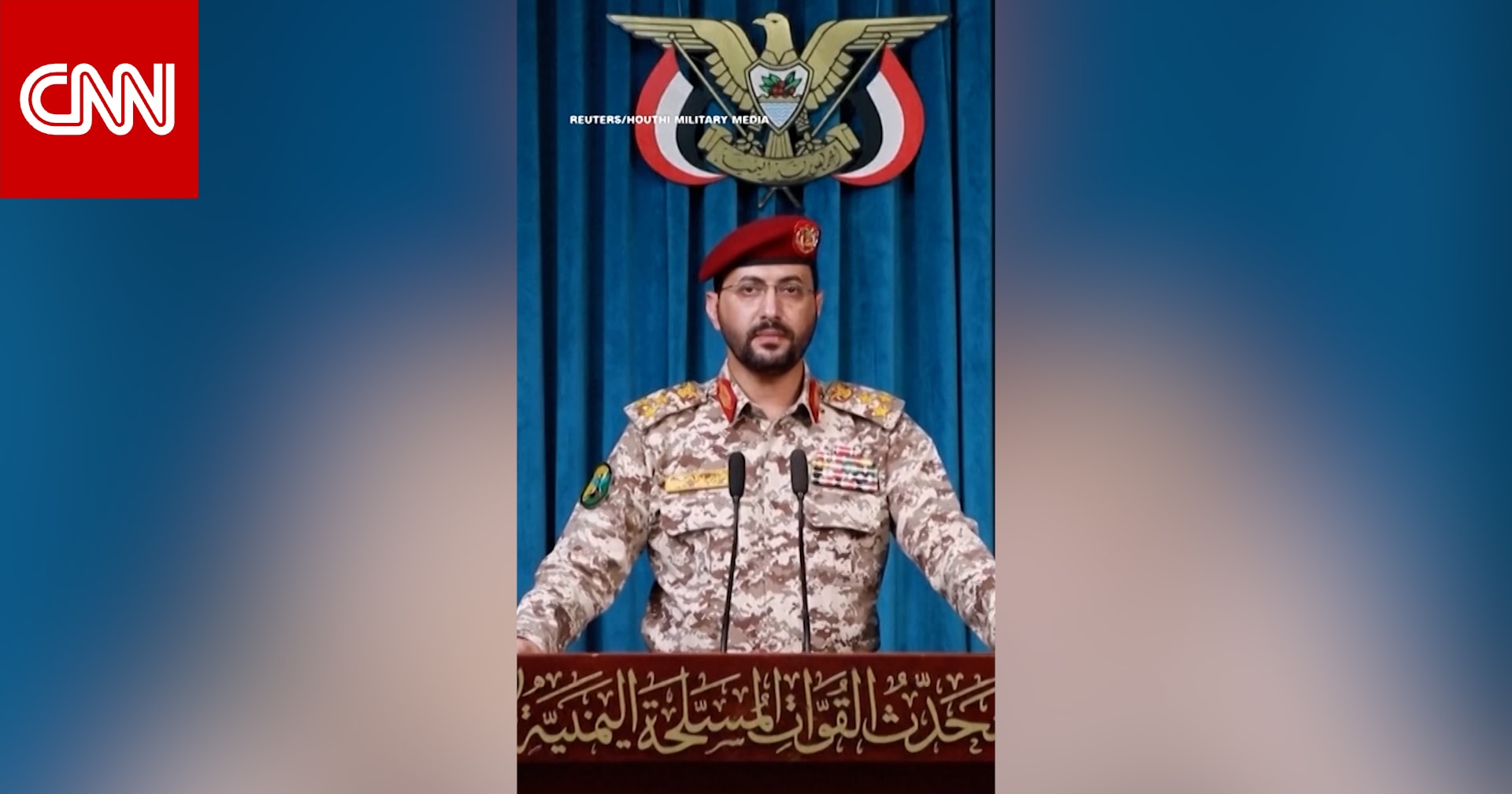
Al-Budaiwi also strongly condemned the irresponsible hostile statements issued by the Houthi militia, including false claims against Saudi Arabia and the threat to close the Bab el-Mandeb strait, as a dangerous escalation that constitutes a flagrant violation of international law and a direct threat to the freedom of international navigation and the safety of one of the most important strategic maritime corridors in the world. He affirmed that such threats affect the security and stability of the entire region and undermine international efforts to protect global supply chains and ensure the flow of international trade and energy supplies.
The Secretary-General added that the Houthi threats require a firm international stance that rejects them and affirms that no party is allowed to use international maritime corridors as a bargaining chip or a means to destabilize international peace and security. He reiterated the GCC's full support for the measures taken by Saudi Arabia to protect its security, the safety of its territorial integrity, and its vital interests, stressing the Gulf states' position on the issue of navigation based on the established principles of international law.
A scene from the high-level open debate of the UN Security Council in New York on Wednesday (GCC)
Al-Budaiwi explained that the dangerous Iranian practices targeting freedom of navigation in the Strait of Hormuz constitute a violation of international law and undermine confidence in the security of one of the most important global maritime corridors. They have also resulted in human losses and humanitarian suffering affecting more than 20,000 sailors of multiple nationalities, in addition to their direct impacts on international trade movement and supply chains. This requires full support for the efforts of the International Maritime Organization to address this crisis and ensure the safety of navigation and protection of civilians.
The Secretary-General affirmed the success achieved by the Gulf states in utilizing their natural resources to serve sustainable development and enhance prosperity for peoples, maintain the stability of energy markets and the global economy, and provide humanitarian and development support to needy countries. He stressed their commitment to remaining a source of stability rather than disruption, a reliable partner in securing global energy supplies, and a consistent voice for dialogue, de-escalation, and the supremacy of the rule of law.
Original source: Asharq Al-Awsat

Comments (0)
Be the first to comment.