Iran Waves Houthi Card in Bab el-Mandeb: Are We Heading for Escalation?

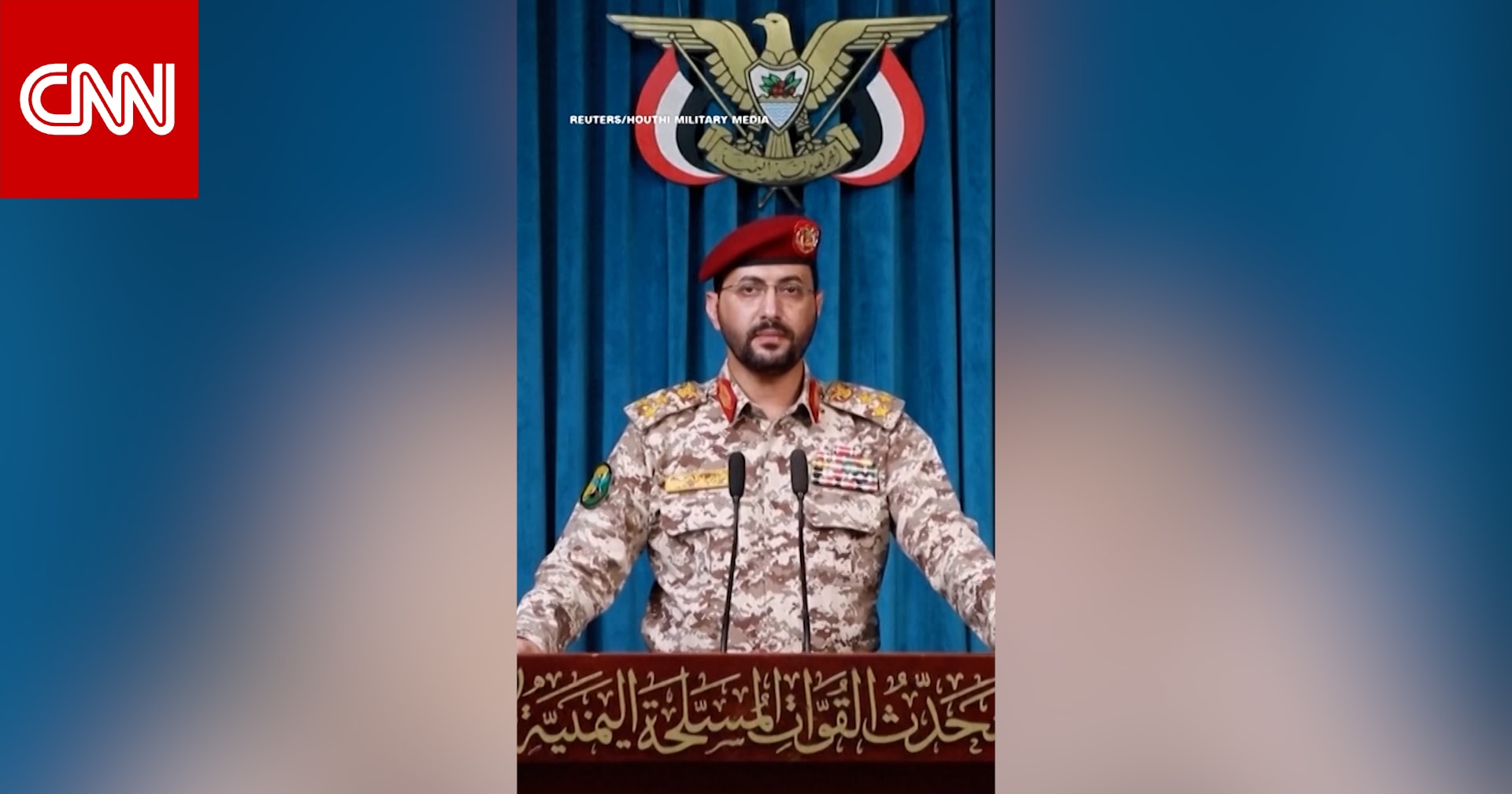
After months of staying behind the scenes, Houthi leader Abdul Malik al-Houthi returns to the forefront with a lengthy speech, coinciding with successive statements by Iranian officials who once again brandished the card of closing waterways, foremost among them the Bab el-Mandeb Strait.
This striking simultaneity between the Houthi speech and the Iranian moves raises fundamental questions about the actual capabilities the Houthis possess, the seriousness of the threat directed at international navigation, and whether the world is heading for a decisive response this time.
Yemeni military expert Brigadier Thabet Hussein Saleh confirmed in his interview with the program 'Al-Tasia' on Sky News Arabia that the recent Houthi move comes with clear directives from Iran, noting that the group had stayed out of sight before issuing, according to Iranian directives, more than one statement by the group's leader and its official spokesman.
Saleh ruled out the Houthis' ability to completely close the strait, as they do not control it in the first place, but they possess enough tools to cause harm and threaten international navigation in the Red Sea, which may push passing ships to change their course towards the Cape of Good Hope, in turn raising shipping and insurance costs.
Houthi arsenal: from missiles to naval mines
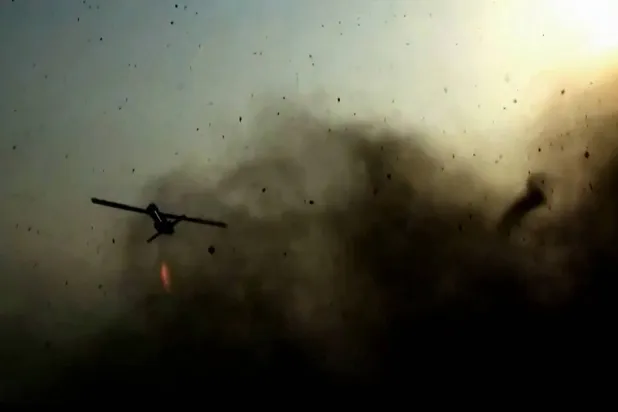
Saleh explained that despite the Houthis' military inability to close the strait as advanced countries do, they have multiple means of threat, most notably anti-ship missiles stationed on the western coast, long-range attack drones, in addition to a stockpile of ballistic and cruise missiles that can be directed against naval targets or ports linked to international navigation.
Saleh pointed out that Gulf countries, especially the UAE, have shown high efficiency in air defense and the ability to intercept these missiles and drones.
However, according to the expert, the greatest danger lies in small means such as unmanned or booby-trapped boats and naval mines, which create a real threat to ships, in addition to the Houthis' exploitation of the coastal terrain stretching from Haradh to Hodeidah and close to mountainous areas.
Continuous statements from Tehran about moving the Houthis to close Bab al-Mandab
0 seconds of 0 secondsVolume 90%
Press shift question mark to access a list of keyboard shortcuts
00:00
00:00
00:00
unmute
Continuous statements from Tehran about moving the Houthis to close Bab al-Mandab
Trump options for expanding operations against Iran
0 seconds of 0 secondsVolume 90%
Press shift question mark to access a list of keyboard shortcuts
00:00
00:00
00:00
unmute
Trump options for expanding operations against Iran
Related news
The alleged Iranian 'victory' and internal motives for escape abroad
Saleh indicated that the US and Israeli strikes did not bring down the Houthis or weaken them to the point of eliminating their threat to navigation, but they did have an effect, especially with the exacerbation of their logistical and economic problems, stressing that economic strangulation is more painful for them than military strikes.
Saleh recalled that Washington had struck a deal with the Houthis, through Omani mediation, stipulating a halt to targeting US interests in exchange for a US pledge not to attack them again.
According to Saleh, the mouthpieces of the Revolutionary Guard and Iranian media promote the idea that Iran emerged victorious from its latest confrontation, and that the Houthis exploit this narrative to claim their strength.
Saleh added a parallel internal factor: the acute crises in the northern areas controlled by the Houthis, which are about to explode, push them, as is their custom, to open external fronts to escape accumulated internal obligations, suggesting that the Houthis will continue to appear no matter how weak their combat status, even if they only have one missile or one drone left.
Towards a more decisive international response
Saleh revealed confirmed information that the Revolutionary Guard has instructed the Houthis to disrupt international navigation or 'strangle' the strait if Iranian energy sources and vital interests are targeted.
He speculated that 'the international community will this time adopt a different stance from before, where the main goal was merely to deter and restrain the Houthis. If the Houthis target multi-national commercial ships belonging to major countries, or international navigation is disrupted in a way that affects energy sources, or the escalation is considered part of a broader international effort against Iran, then the escalation will head towards actual escalation.'
Saleh stressed that any regional move in this file will only be done with an American green light.
Saleh linked the continuation of the Houthi threat to the misreading of the results of the US-Israeli confrontation with Iran, confirming that the southern forces represent the only force capable of actually defeating the Houthis, and they are trained and organized forces that contributed to securing international navigation, especially since they control Mayun Island which controls the two channels of the strait.
Original source: Sky News Arabia
Comments (0)
Be the first to comment.