Hormuz and Bab el-Mandeb Ignite Together? Experts Reveal the Most Dangerous Scenario for the Gulf
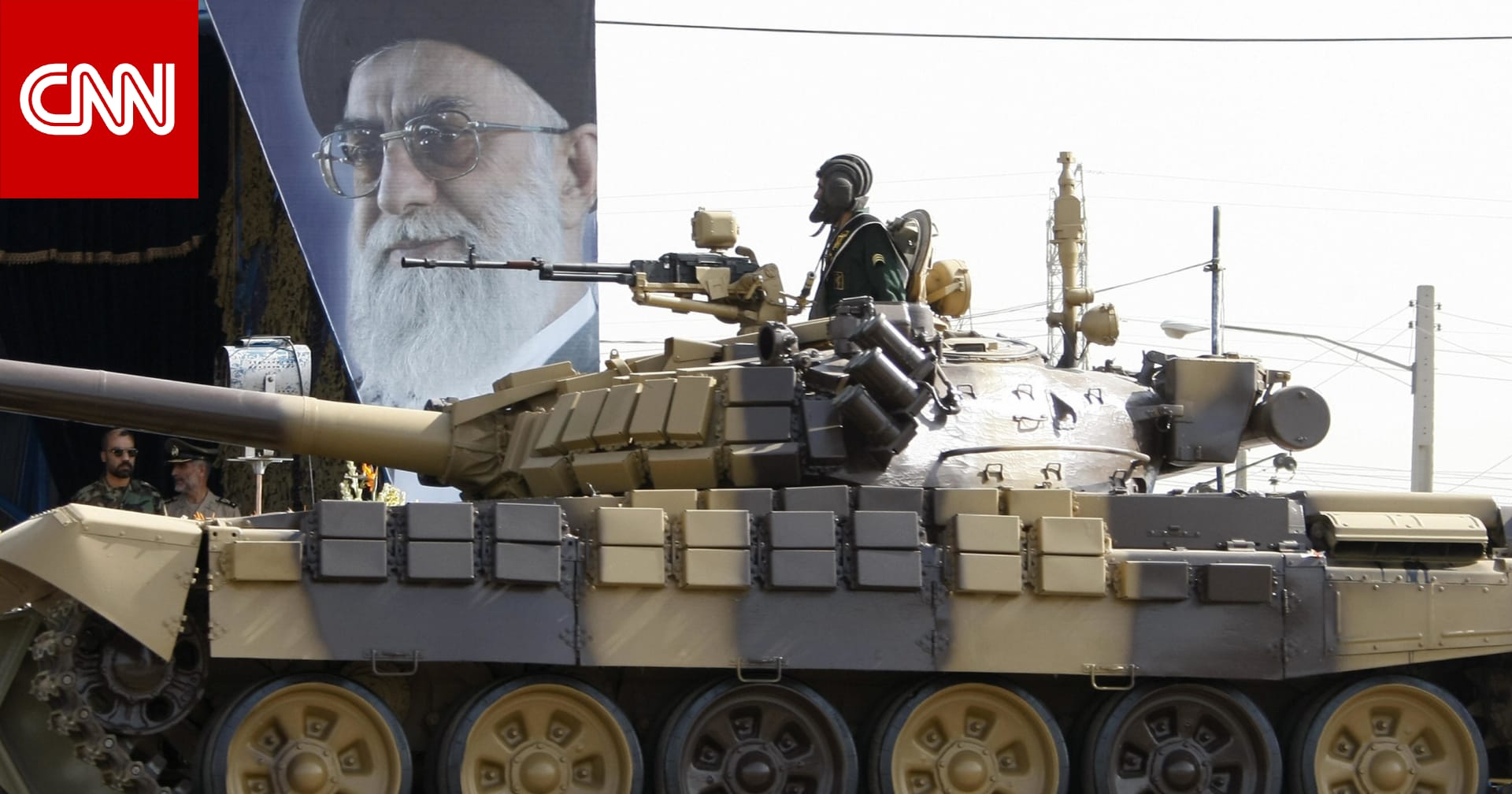
The confrontation between the United States and Iran is entering an extremely dangerous phase, amid warnings that continued strikes and mutual threats could turn the conflict into an open war of attrition, with repercussions extending to Gulf states, oil markets, and the most important maritime routes for global trade.
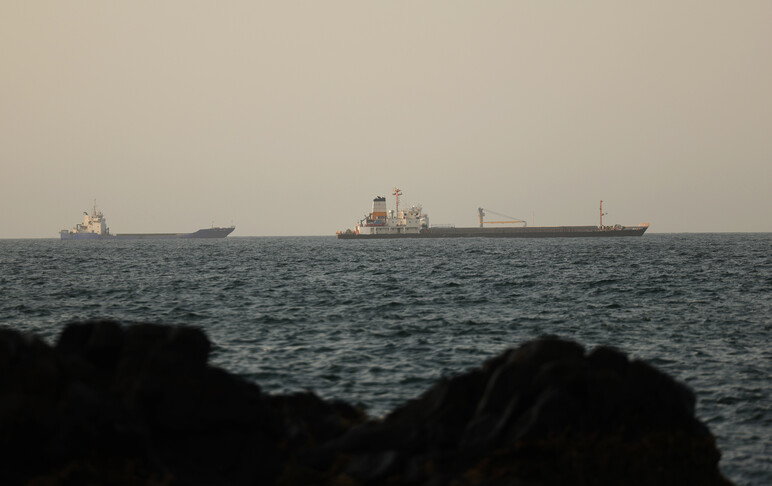
The most dangerous scenario is not only related to the scale of strikes inside Iran, but to the possibility of both the Strait of Hormuz and Bab el-Mandeb fronts igniting simultaneously, which could disrupt energy supplies and ship traffic, imposing broad economic and security pressures on the region.
The most dangerous scenario for the Gulf: Tehran insists on the Strait of Hormuz as one of its strongest strategic pressure cards, while the threat of closing Bab el-Mandeb increases the risks of widening the confrontation. According to Euronews, Mona Yacoubian from the Center for Strategic and International Studies warned that the simultaneous escalation in the two straits could create what she described as a 'perfect storm,' given a fragile global economy and the absence of a clear diplomatic path.
Disruption of navigation in these two passages means threatening the movement of oil and international trade, rising shipping and insurance costs, with the crisis likely to quickly reflect on energy prices and global markets.
Why is Trump avoiding total war? Despite continued American operations, observers believe that President Donald Trump does not want to slide into an open war; killing more soldiers and a return to rising gasoline prices could put the Republican Party before a difficult test ahead of the midterm elections.
But the desire to avoid war does not mean that the escalation is under control. Yacoubian believes that both sides are betting on increasing pressure to break the impasse, while miscalculation could close the door to diplomacy entirely.
Former American diplomat Alan Eyre also considers that the Trump administration seems confused and lacks a coherent strategy to emerge from the crisis, at a time when the lack of trust between Washington and Tehran makes any political settlement theoretically possible, but extremely difficult in practice.
Can the strikes decide the battle? Militarily, experts doubt the ability of the US Air Force alone to force Iran to surrender. Researcher Christopher Preble believes that a war of attrition may favor Tehran, while David Schenker asserts that current strikes may repeat previous operations that failed to change Iranian calculations.
Former US Air Force Secretary Frank Kendall points out that wars are rarely decided by air strikes alone, especially given Iran's ability to hide weapons and systems that are difficult to track.
The most likely scenario appears to be the continuation of 'calculated escalation' without a decisive victory, but any move targeting the Strait of Hormuz or Bab el-Mandeb could shift the confrontation from a limited war to a regional crisis hitting the Gulf and the global economy, according to experts.
Original source: Sabq



Comments (0)
Be the first to comment.