Houthis say 6 ships have turned back since ban, Al-Alimi calls for confronting them
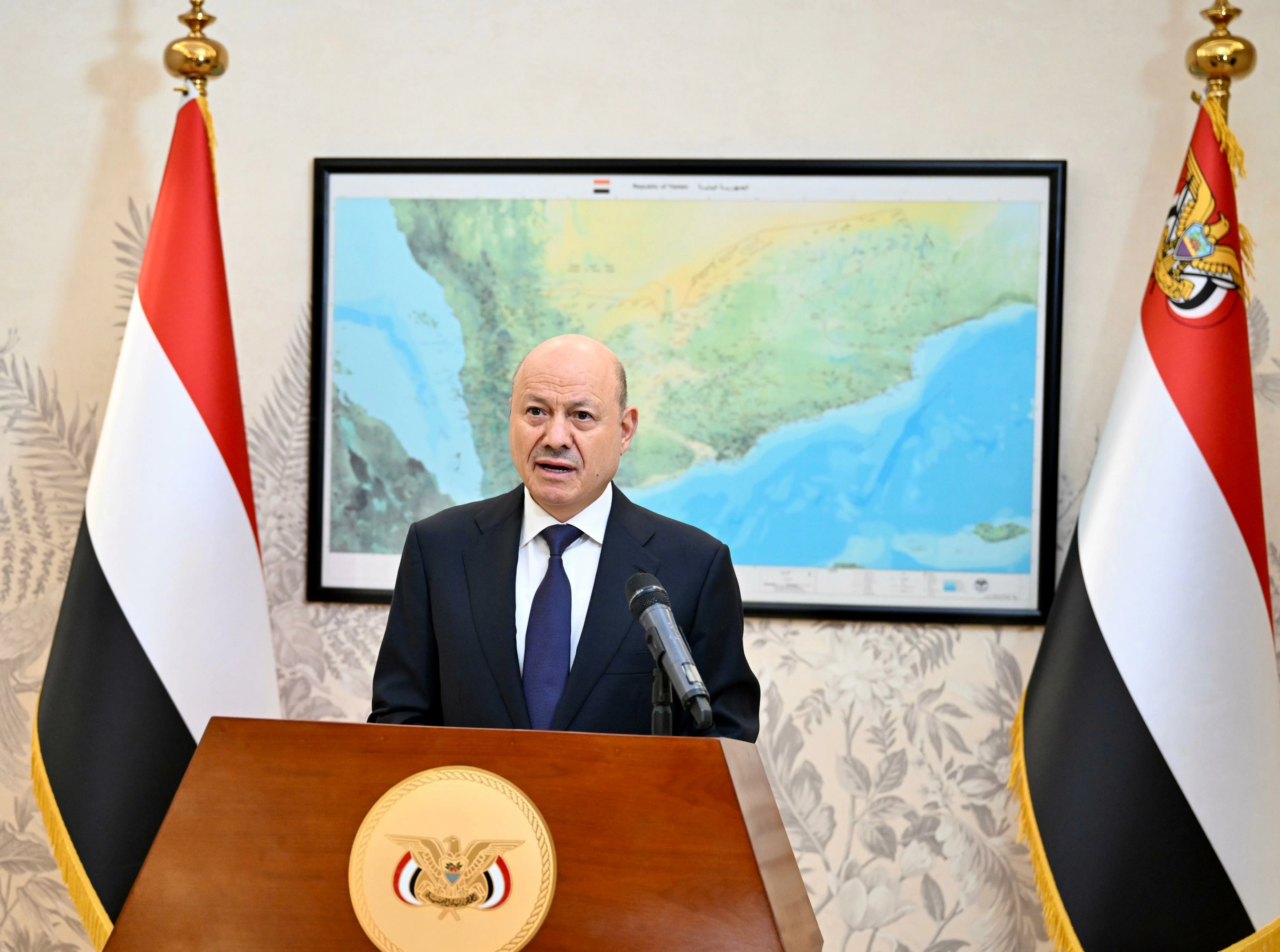
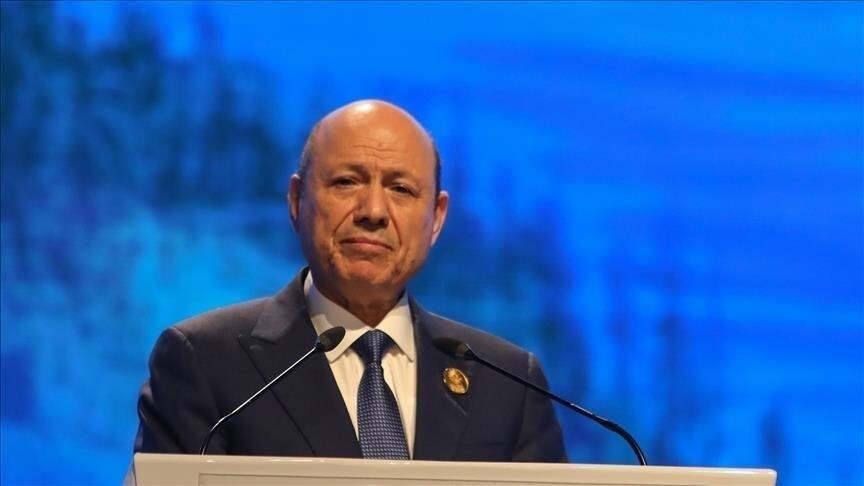
Yemeni Presidential Leadership Council Chairman: "The international community is required to view the Houthi militias as part of an overlapping regional threat network, in light of reports documenting increasing coordination with terrorist organizations and armed groups in the Horn of Africa"...
Yemen / Anadolu
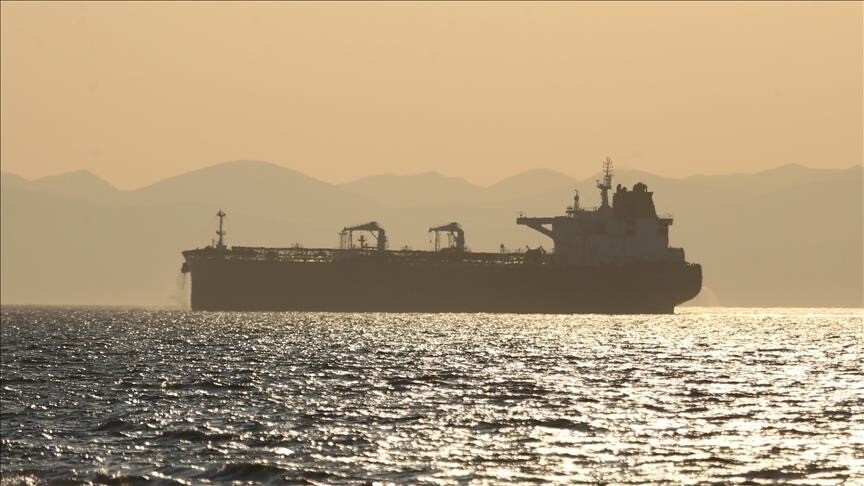
On Tuesday, the Houthi group said that 6 ships had turned back in the past 24 hours, after it announced a naval navigation ban on Saudi Arabia, while Yemeni Presidential Leadership Council Chairman Rashad Al-Alimi called on the international community to confront the group as "part of a cross-border regional threat network".
In an escalatory step, the group's military spokesman Yahya Saree announced in a video statement on Monday a "naval navigation ban" on Saudi Arabia, in response to what it says is a blockade imposed by Riyadh, adding that the decision "takes effect from the moment of this statement's announcement", according to the group's Al-Masirah channel.
The Houthi group's announcement was met with condemnations from the Kingdom and several Arab countries, moves by the Yemeni government, and a UN warning of an escalation in scope, while the Coalition to Support Legitimacy vowed to respond to the group's threats.
Houthis: 6 ships have turned back since announcement of navigation ban
On Tuesday, the Houthi group said that 6 ships had turned back since the announcement of the naval navigation ban on Saudi Arabia on Monday afternoon.
A military source in the Houthi government's Defense Ministry, quoted by the group's Saba news agency, reported "the return of 6 ships in the past 24 hours after a warning from the Yemeni (Houthi) armed forces and the imposition of a naval navigation ban" on Saudi Arabia.
The source did not provide further details on the identities of the ships or the location from which they returned.
In response, Rashad Al-Alimi warned of the dangers of Houthi attempts to drag Yemen into "a wider circle of conflict serving the Iranian regime's agenda", stressing that "the repercussions of these moves are not limited to Yemen, but extend to the security and stability of Red Sea littoral states and Asian countries linked to this vital sea lane".
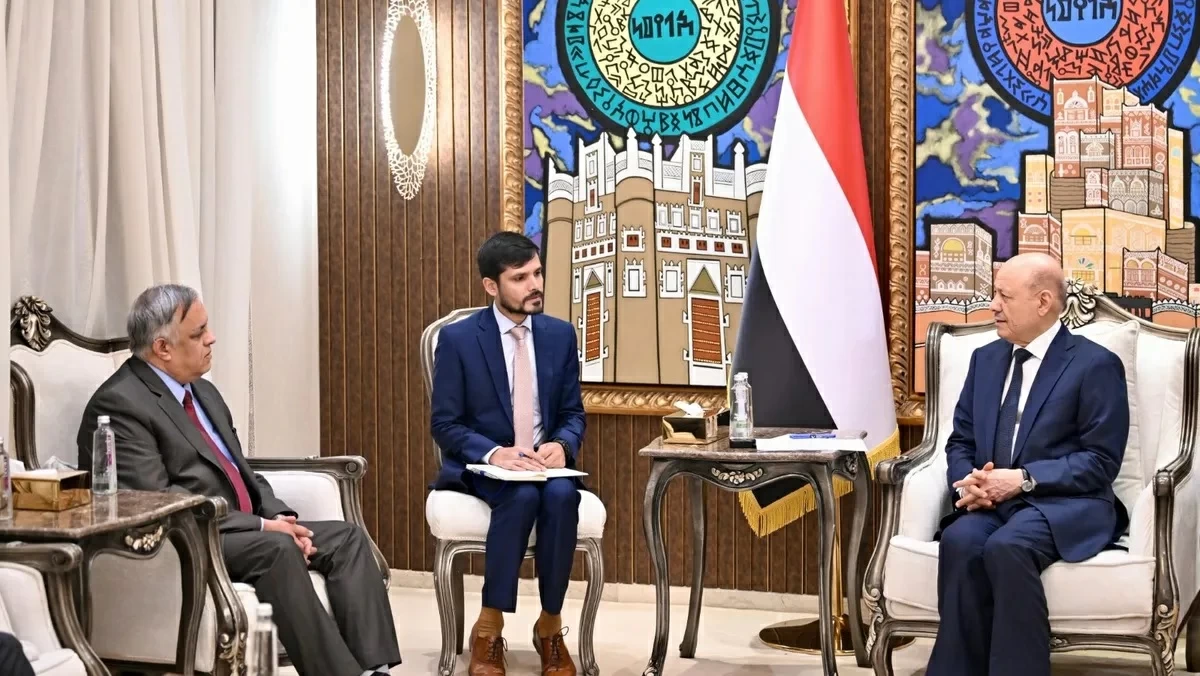
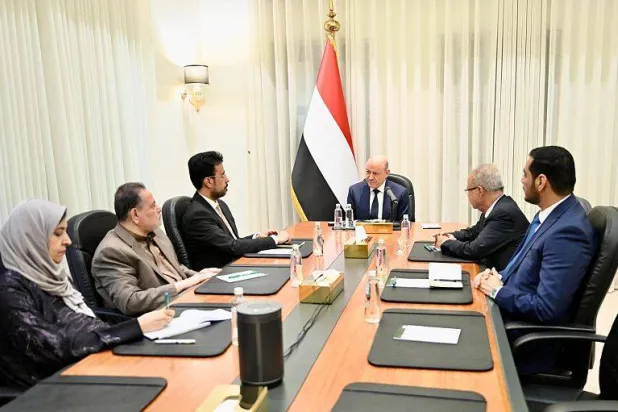
This came during his reception on Tuesday of Indian Ambassador to Yemen Suhel Ejaz Khan on the occasion of the end of his tenure as his country's ambassador, where he praised India's positions supporting Yemen's stability and unity, according to the government's Saba agency.
Al-Alimi stressed the importance of continued coordination between the two countries on issues related to protecting waterways, respecting state sovereignty, and addressing cross-border threats, noting that international navigation security is facing increasing challenges requiring broader international cooperation.
Al-Alimi: The group is part of a regional threat network
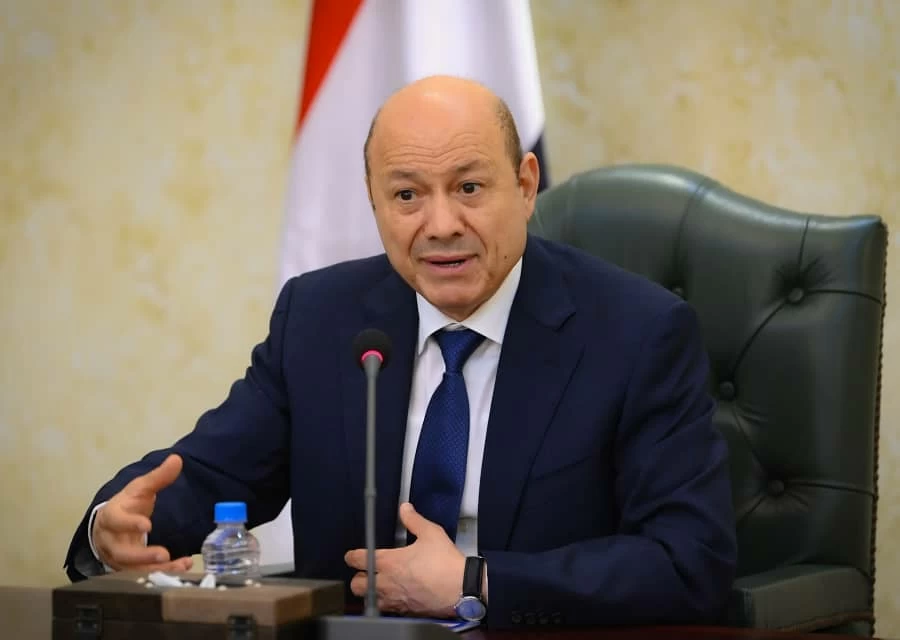
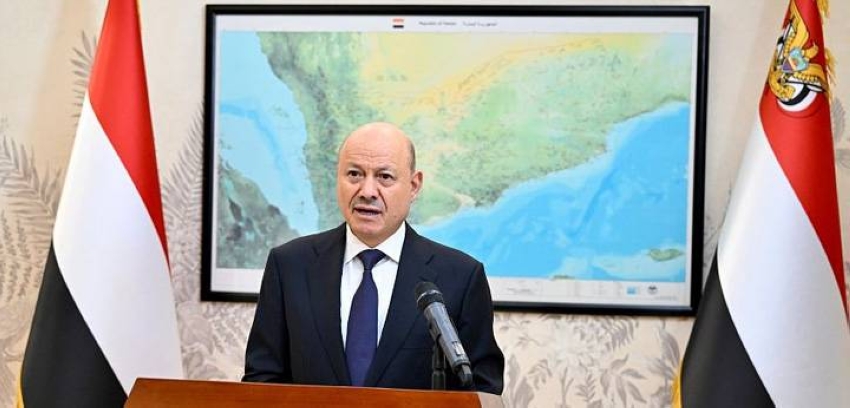
The Presidential Leadership Council Chairman stressed that "the international community is required to view the Houthi militias as part of an overlapping regional threat network, in light of reports documenting increasing coordination with terrorist organizations and armed groups in the Horn of Africa".
He accused the group of "smuggling weapons and military technologies, employing these groups to threaten international navigation security and food and essential goods supplies, and supporting piracy and cross-border crime activities, which calls for strengthening international cooperation to confront these growing risks at all levels".
Saudi Arabia accuses the group of threatening regional security and stability
In the same context, Saudi Arabia on Tuesday accused the Houthi group of deepening the suffering of the Yemeni people and threatening regional security and stability.
The Saudi Council of Ministers, during its session chaired by King Salman bin Abdulaziz, expressed its condemnation of the "false allegations" and "baseless accusations" made by the group, according to the Saudi Press Agency "SPA".
The Council said it condemns "in the strongest terms the false allegations of the terrorist Houthi militia and its baseless accusations, and its engagement in a conflict in the region to support its nefarious agenda and goals; which has contributed to deepening the suffering of the brotherly Yemeni people and threatening regional security and stability".
The Council of Ministers affirmed Saudi Arabia's continued "support for the brotherly Yemeni people and their legitimate government, and taking decisive measures to protect its security and ships in accordance with international law and the 1982 United Nations Convention on the Law of the Sea".
On January 10, 2024, the UN Security Council adopted Resolution 2722, which "strongly condemns" Houthi attacks on commercial and cargo vessels since November 19, 2023.
The resolution, which was adopted with 11 votes in favor and four abstentions, stressed "the need to respect the exercise of navigational rights and freedoms by commercial and cargo vessels", and granted member states the right to defend their ships against attacks, including those that undermine those rights.
Despite intermittent clashes, since April 2022 Yemen has witnessed a lull in a war that began over 11 years ago between forces of the government backed by a coalition led by neighboring Saudi Arabia, and the Iran-backed Houthi group, which has controlled governorates and cities including Sanaa since September 21, 2014.
On July 13, the Yemeni Defense Ministry announced that its forces targeted the runway of Sanaa International Airport to prevent an Iranian plane from landing, while the Houthi group accused Saudi Arabia of carrying out the attack and considered it to mean the end of de-escalation.
In recent days, clashes have renewed between government forces and Houthis in several governorates, including Al-Jawf, Al-Dhale'e, and Taiz, amid mutual threats between the two sides, in a country facing one of the worst humanitarian and economic crises in the world.
Original source: Anadolu Agency
Comments (0)
Be the first to comment.