Yemen: Al-Alimi directs to maintain utmost vigilance to confront Houthi escalation
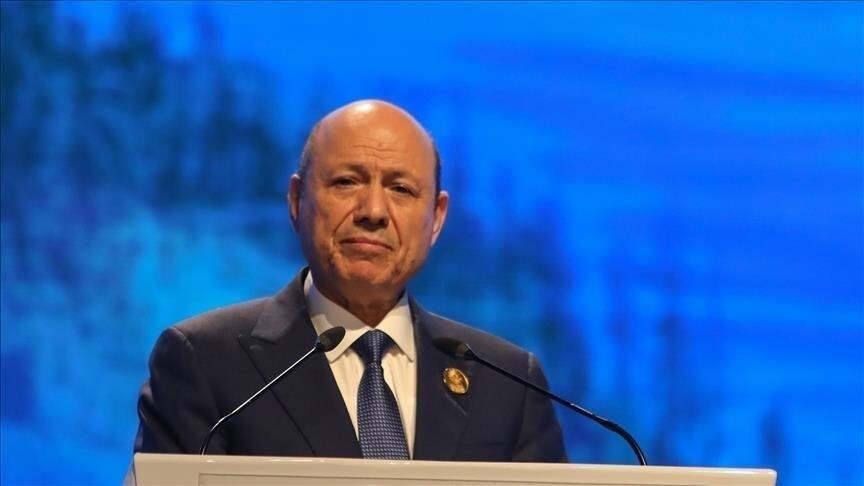
During his meeting with the Yemeni Consultation and Reconciliation Authority (governmental) in the Saudi capital Riyadh
Yemen / Anatolia
Yemen's Presidential Leadership Council Chairman Rashad al-Alimi on Tuesday urged his country's authorities to maintain the highest levels of vigilance 'to confront the escalation' of the Houthi group.
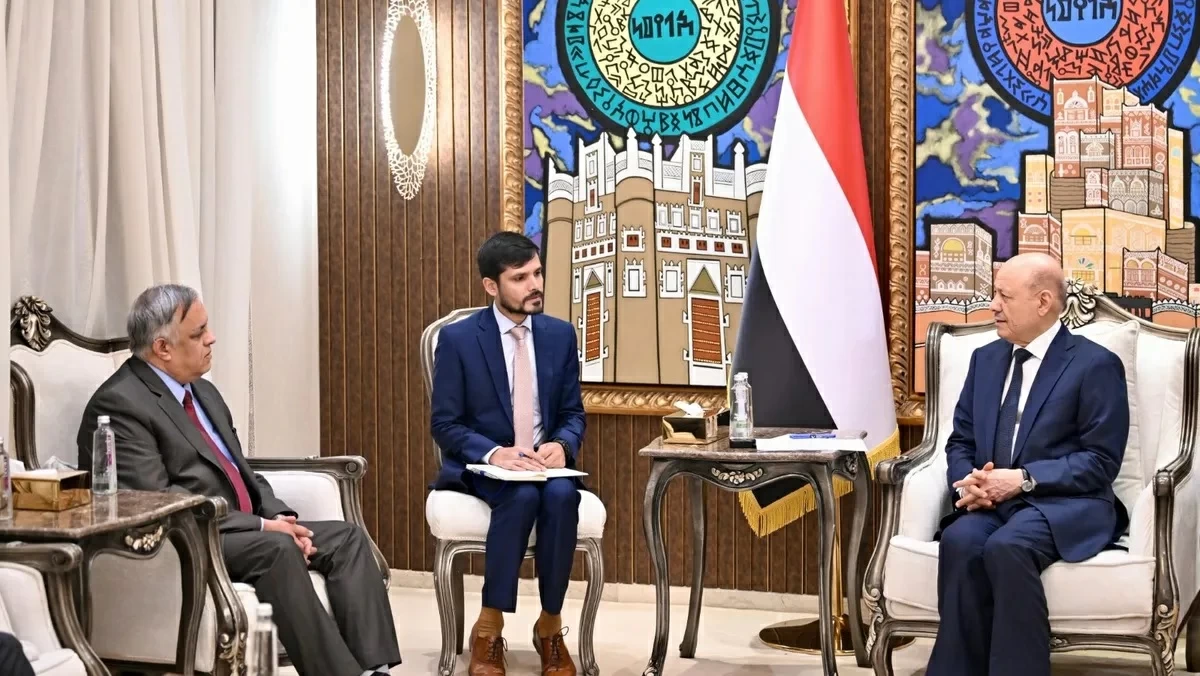
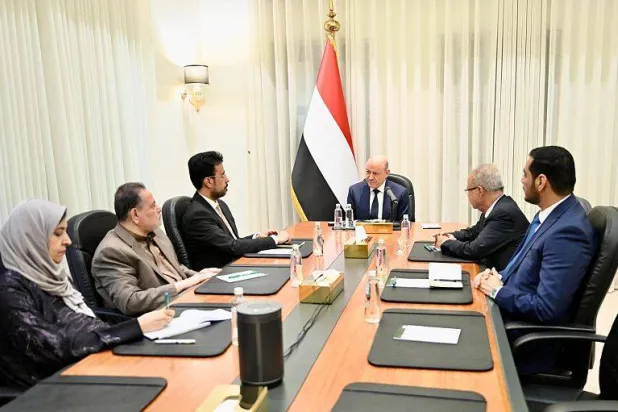
This came during a meeting he held with the presidency of the Yemeni Consultation and Reconciliation Authority (governmental) in the Saudi capital Riyadh, according to the official Yemeni news agency 'Saba'.
The meeting discussed the latest developments in national conditions, the authority's efforts to enhance national consensus, and support for state institutions in facing the current challenges, 'foremost among which is the continuous escalation by the terrorist Houthi militias backed by the Iranian regime'.
Al-Alimi expressed 'his confidence in the role of the Consultation and Reconciliation Authority in supporting these efforts, consolidating national consensus, enhancing unity in the battle for liberation and overthrowing the coup, and dedicating efforts to building the just state that all Yemenis deserve'.
He pointed to the Houthi group's continued escalatory attempts, 'which requires everyone to maintain the highest levels of vigilance and strengthen unity'.
He stressed the need not to allow the Houthi group again to 'drag Yemen into futile battles that would harm the interests of the peoples of the region, foremost among which are the countries bordering the Red Sea'.
He also stressed that 'the approach of blackmail, threats, and intimidation is over, and the Yemeni state will no longer allow the continuation of this approach, the confiscation of the decision of war and peace, or imposing the pace of the stage on Yemenis, regional security, and global peace'.
Al-Alimi said that the Yemeni people 'are tired of these slogans and reckless adventures that have turned the areas under militia control into one of the worst places to live on Earth'.
He affirmed that no party, no matter who, can any longer shape the future of Yemen and its people through the logic of blackmail or force.
Al-Alimi considered that any understandings or arrangements in the next stage will not be the result of threats or blackmail from any party, but rather the fruit of the state's steadfastness and the resilience of its people.
In recent days, clashes have renewed between government forces and the Houthis in several provinces, including Al-Jawf, Al-Dhale, and Taiz, amid mutual threats between the two sides, while the country faces one of the worst humanitarian and economic crises in the world.
Despite intermittent clashes, Yemen has witnessed a truce since April 2022 in a war that began more than 11 years ago between government forces and the Houthi group, which has controlled provinces and cities, including Sanaa, since September 21, 2014.
Original source: Anadolu Agency
Comments (0)
Be the first to comment.