How to understand the strengthening of military cooperation between Egypt and Turkey?
Summary: Relations between Egypt and Turkey began to return to their normal course during 2024, with the return of official visits between them, which contributed to the strong restoration of political and diplomatic relations, and the resumption of military cooperation came as a direct result of this political rapprochement.
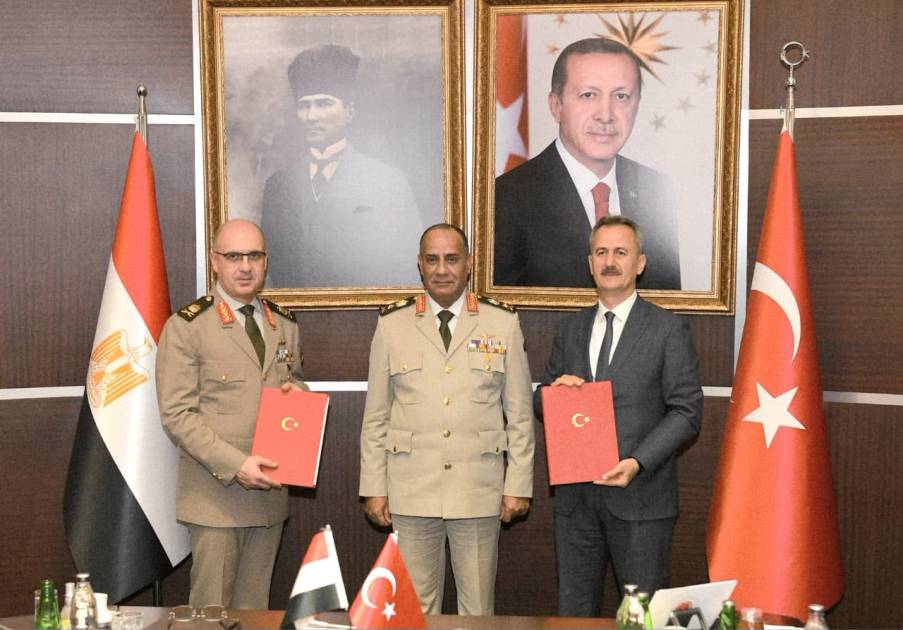
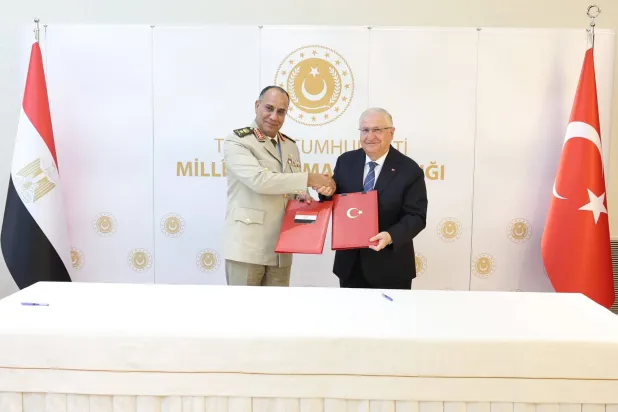
Supporting regional stability was the headline highlighted by the official discourse of both Egypt and Turkey for a notable visit by the Egyptian Defense Minister to Ankara days ago, which resulted in the signing of a letter of intent to enhance military cooperation. However, the effects and importance of this cooperation go beyond the bilateral aspect to reflect on the situation in the Middle East, according to statements by the Egyptian and Turkish defense ministries, as well as the reading of observers in both countries.
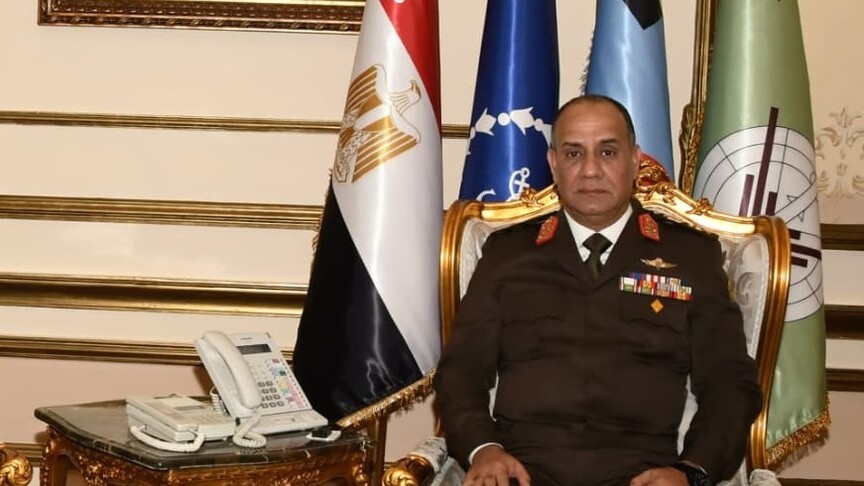
The visit of General Ashraf Zaher was the first by an Egyptian defense minister to Turkey since 2013, an indication of the growing relations between the two countries, which fully restored their diplomatic ties three years ago after a decade-long rupture. It also came in the context of an exchange of visits by high-ranking military officials, the most recent of which was the Turkish Chief of Staff, General Selçuk Bayraktaroğlu, to Cairo last June.
Similarly, the signing of the letter of intent by the two defense ministers was a continuation of a series of military agreements, which began with the agreement of the leadership of the two countries to enhance military cooperation during Egyptian President Abdel Fattah El-Sisi's visit to Ankara in September 2024, especially in defense industries. This was translated into an agreement signed during Turkish President Recep Tayyip Erdoğan's visit to Cairo last February.
What common interests unite the two countries?
Karam Said, a researcher in Turkish affairs at the Al-Ahram Center for Political and Strategic Studies, contextualizes the developments in cooperation between Cairo and Ankara, pointing out that it comes within a set of regional variables, foremost among which is the two countries' concern about the possibility of strategic changes following the Iranian war, along with the security liquidity the region is witnessing and its repercussions on the national security of its states. This forces Cairo and Ankara to expand areas of cooperation beyond the economic aspect, noting that the ongoing Israeli war on the Gaza Strip and Israel's attempts to expand its influence in southern Syria and southern Lebanon represent the most prominent motives for rapprochement between Egypt and Turkey.
Said added to "Independent Arabia" that Turkey is also looking for new regional circles in light of the Israeli-Cypriot-Greek cooperation, whether in energy projects or in Israeli pressures to exclude Ankara from the F-35 fighter jet program, stressing that Israeli moves in the Horn of Africa represent one of the most important common files between Cairo and Ankara. He continued that there are also Israeli moves to support the Ethiopian position in the Renaissance Dam file, as well as support for the Rapid Support Forces in Sudan, which forces Egypt and Turkey to greater coordination on regional issues.
Therefore, the researcher in Turkish affairs believes that defense cooperation between Egypt and Turkey is of great importance to both sides, explaining that Ankara aims to expand its defense export markets, which are worth about $6 billion annually, and seeks to increase them as defense industries have become one of the main drivers of the Turkish economy. He added that Egypt represents a promising market for Turkish defense industries and is an important gateway for these exports to North African countries and several Middle Eastern countries, due to its regional standing.
Joint 'Golden Eagle' exercises between Egypt and Turkey (Facebook - Egyptian Armed Forces)
He pointed out that Turkey is willing to establish an industrial partnership with Egypt in the field of drone production, which would help reduce manufacturing costs and accelerate its pace, benefiting from Egyptian expertise in defense industries, opening the door to new markets. He added that if US restrictions on Turkish defense industries continue, Egypt may become an alternative center for producing and exporting these industries, similar to what some countries do to bypass sanctions by manufacturing outside their territories.
On the Egyptian side, he explained that this cooperation comes within the framework of Cairo's continued modernization of its armed forces with the latest military systems, noting that drones have become a strategic priority in the context of counterterrorism and securing borders. Said added that Egypt is located amid a set of crisis hotspots, including Sudan, Ethiopia, and Libya, as well as Israeli moves in the region, which forces it to possess advanced technologies in the field of drones, especially since Turkish drones have proven highly effective in combat theaters. He affirmed that this cooperation also falls within Egypt's policy of diversifying arms sources.
Egypt and Turkey signed, in August 2025, a memorandum of understanding on the joint production of a drone at the Qader Advanced Industries Factory, affiliated with the Arab Organization for Industrialization in Egypt. In March 2025, an agreement was reached to produce unmanned ground vehicles (drones) at the factory with technical support and a license from the Turkish side.
Turkish political analyst Oktay Yılmaz affirmed that military cooperation between Cairo and Ankara goes beyond joint maneuvers, extending to the defense industries sector, noting Turkey's readiness to transfer its technological experiences and expertise in military manufacturing to the Egyptian side, at a time when Egypt seeks to raise the levels of local military manufacturing, benefiting from Turkey's great capabilities, which produces the majority of its military needs domestically.
Is Israel monitoring the rapprochement between Ankara and Cairo?
Regarding regional files, Yılmaz confirmed that the Egyptian-Turkish rapprochement reflects positively and directly on hot issues, as the shared vision contributes to rebalancing and helping the Libyan parties overcome differences and unify state institutions, along with the convergence of the two countries' positions on the necessity of preserving Sudan's unity and territorial integrity, and supporting efforts to restore security and stability and preserve Syrian territorial unity.
Turkish affairs researcher Karam Said adds another aspect to explain Turkish moves to enhance cooperation with regional countries, pointing out that Ankara pays special attention to these partnerships amid unprecedented tension in its relations with Israel, due to Tel Aviv's concerns about the significant development Ankara has achieved in defense industries and its expansion of relations with regional countries, warning that this escalation may open the door to direct confrontations in the future, although unlikely at present.
Said stressed that seeking new regional partnerships has become a necessity for Egypt and Turkey, especially in light of Israeli objections to the Egyptian-Turkish rapprochement in the field of defense industries, considering such positions to be a kind of guardianship that the Egyptian state does not accept.
Last May, retired Israeli General Yitzhak Brick did not rule out Tel Aviv entering a war against the Turkish-Egyptian alliance, as the two countries strengthen their military capabilities, affirming in an article published by the newspaper Ma'ariv that any military rapprochement between the two countries presents Israel with new security challenges that require a comprehensive reassessment of its military doctrine and defense strategies.
Original source: Independent Arabia



Comments (0)
Be the first to comment.