Iran: We Will Not Allow Washington to Intervene in Strait of Hormuz
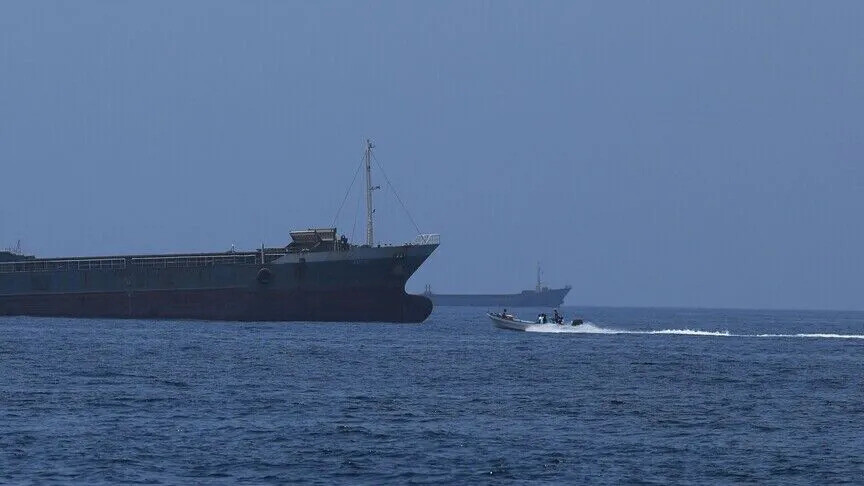
Spokesman of the Iranian Armed Forces' 'Khatam al-Anbiya' Central Headquarters, Ibrahim Zolfaqari: US attempts to intervene in Strait of Hormuz endanger regional security and maritime trade
TEHRAN / Anadolu
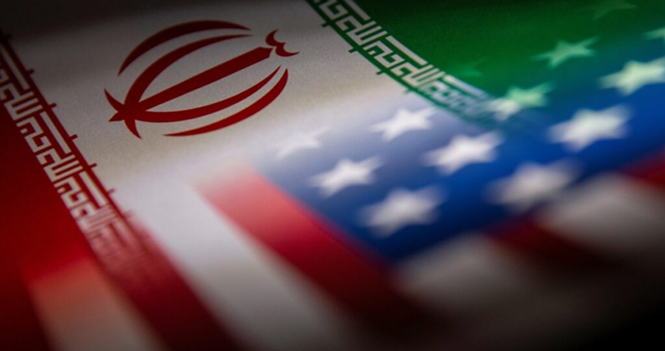
Ibrahim Zolfaqari, spokesman of the Iranian Armed Forces' 'Khatam al-Anbiya' Central Headquarters, said on Monday that his country has not and will not allow the United States to intervene in the Strait of Hormuz.
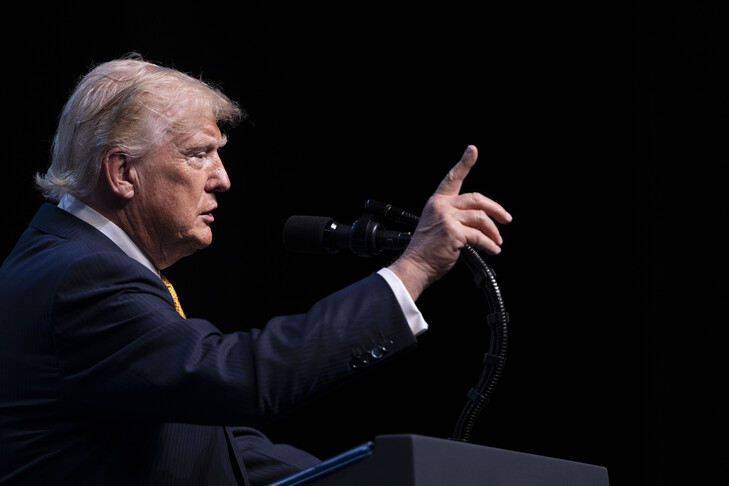
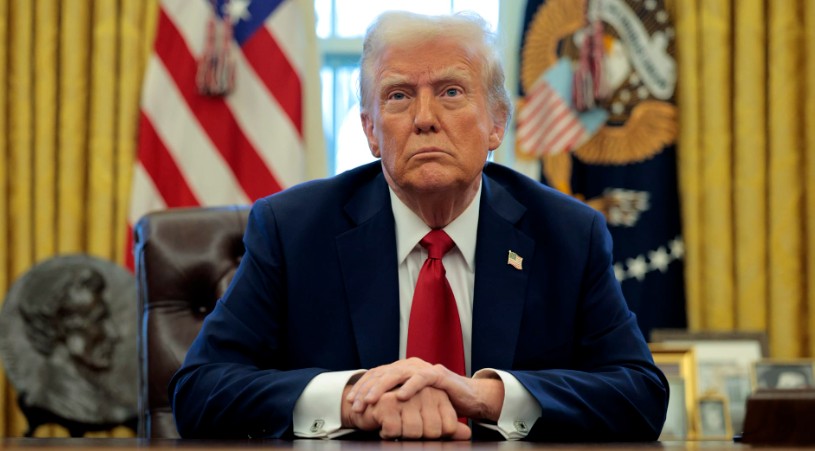
This came in response to statements by US President Donald Trump, who said: 'We will control the strait (Hormuz). And we might manage it.'
Zolfaqari explained that US attempts to intervene in the Strait of Hormuz endanger regional security and maritime trade, saying: 'As we have warned before, we have not and will not allow in any way the intervention of the United States in the Strait of Hormuz.'
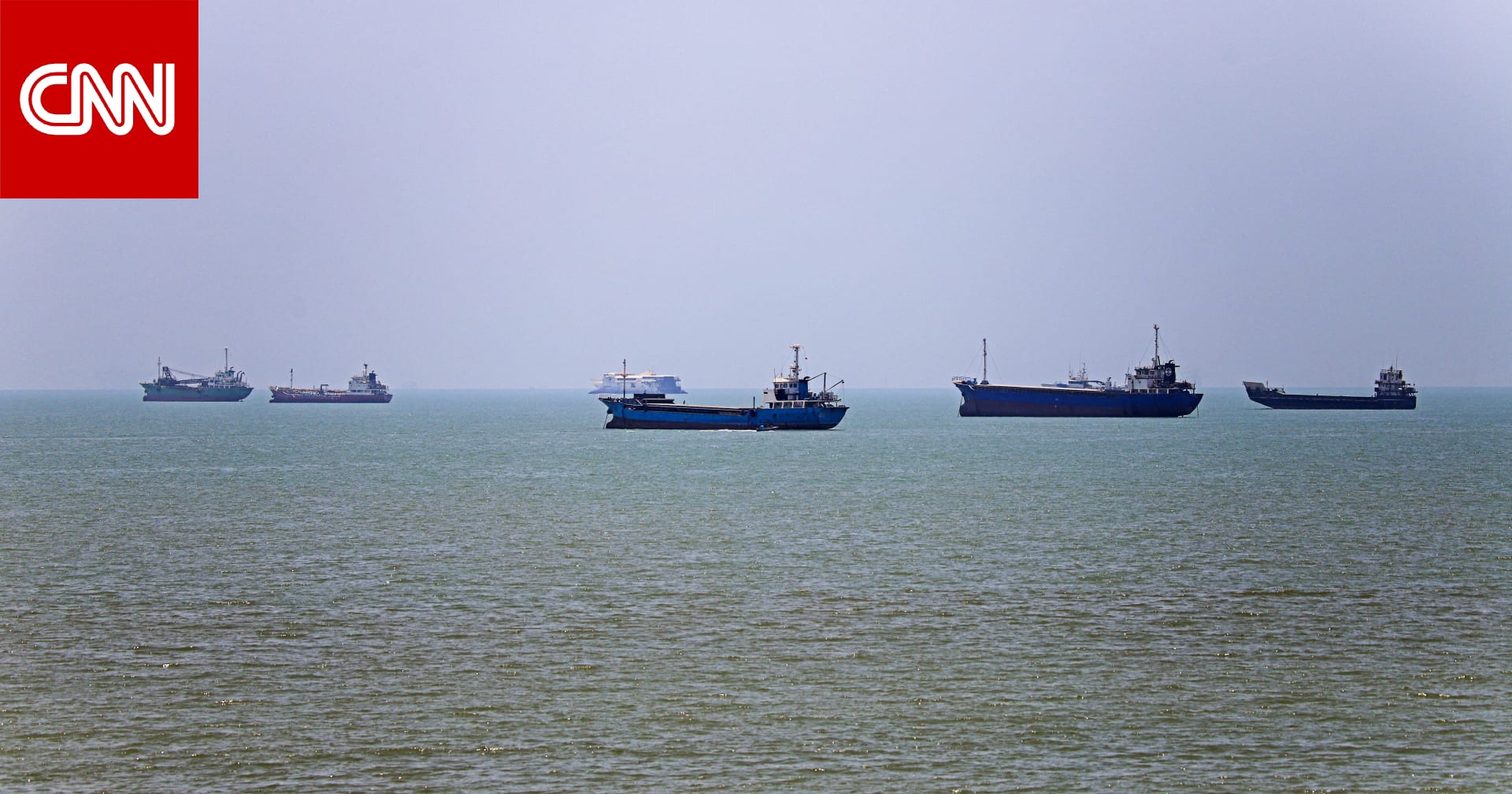
He warned that the Iranian armed forces will take action against ships that attempt to cross the strait without its permission or without adhering to the route determined by Iran, adding that the operations carried out by the Iranian army and the Revolutionary Guards in recent days are clear evidence of that.
He also warned regional countries that providing logistical support for US attacks would be considered a declaration of war, and that this could lead to the expansion of the war and affect all countries in the region.
Zolfaqari claimed that 'the source of insecurity in the region is the United States and the countries cooperating with it,' considering that the cooperation of regional countries with Washington increases the risks of war breaking out.
Earlier on Monday, the US president said his country will keep the Strait of Hormuz under its control and that it will 'most likely manage' transit operations there in exchange for money.
On the night of Saturday/Sunday, mutual strikes took place between Washington and Tehran, while the Revolutionary Guards announced the closure of the Strait of Hormuz to maritime navigation until further notice.
The Strait of Hormuz region is witnessing security tensions against the backdrop of the war launched by the United States and Israel against Iran on February 28, 2026.
Washington and Tehran had signed, last June, a memorandum of understanding that included a ceasefire, following Qatari and Pakistani mediation, in preparation for reaching a final agreement to end the war, before Trump announced on July 8 that the ceasefire had ended amid renewed escalation.
Original source: Anadolu Agency


Comments (0)
Be the first to comment.