Iranian Infrastructure in the Crosshairs of US Bombing
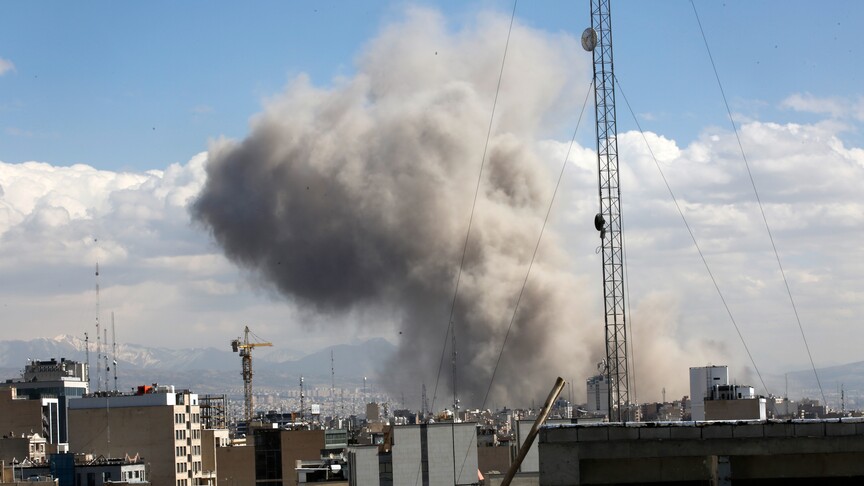
In its recent attacks, US forces targeted a bridge in Golestan province, a maritime control tower in Chabahar, and 6 bridges in Hemyar district.
TEHRAN / Anadolu
The United States has escalated its military operations against Iran, targeting a number of infrastructure facilities overnight Thursday-Friday, after its initial attacks focused primarily on military targets.
The US strikes began by targeting the cities of Bandar Abbas and Sirik in Hormozgan province in the south of the country, before later expanding to include targets in the provinces of Khuzestan, Kerman, Sistan and Baluchestan, Bushehr, Semnan, and Golestan.
During the first days, the attacks focused on sites belonging to the Iranian armed forces, but Washington later began targeting civilian infrastructure.
The first of these strikes was on July 9, when a railway bridge in Golestan province in northern Iran was targeted.
In the latest attacks, the United States targeted Iranshahr Airport in Sistan and Baluchestan province, and also bombed the maritime control tower in the city of Chabahar twice, completely destroying it.
US airstrikes in Hormozgan province also targeted 6 bridges in Hemyar district, in addition to a railway junction in the city of Bandar Abbas.
On June 18, 2026, Washington and Tehran signed a memorandum of understanding that included a ceasefire, and began negotiations mediated by Pakistan and Qatar to end the war that the United States and Israel had launched against Iran on February 28 of the same year.
However, US President Donald Trump announced on July 8, 2026, the end of the ceasefire amid renewed escalation, after Iran, a day earlier, attacked three ships while they were crossing the Strait of Hormuz, claiming they did not follow the navigation route it had set, leading Washington to respond by launching attacks on sites inside Iran.
Washington supports the passage of commercial ships through the Strait of Hormuz along a route different from the one set by Iran, which Tehran rejects, asserting that it targets any ship that does not coordinate with it before crossing the strategic strait for global energy supplies.
Original source: Anadolu Agency




Comments (0)
Be the first to comment.