Islamic Alliance and United Nations Launch Specialized Program to Prepare Legal Cadres from Palestine and Chad in Combating Terrorist Financing
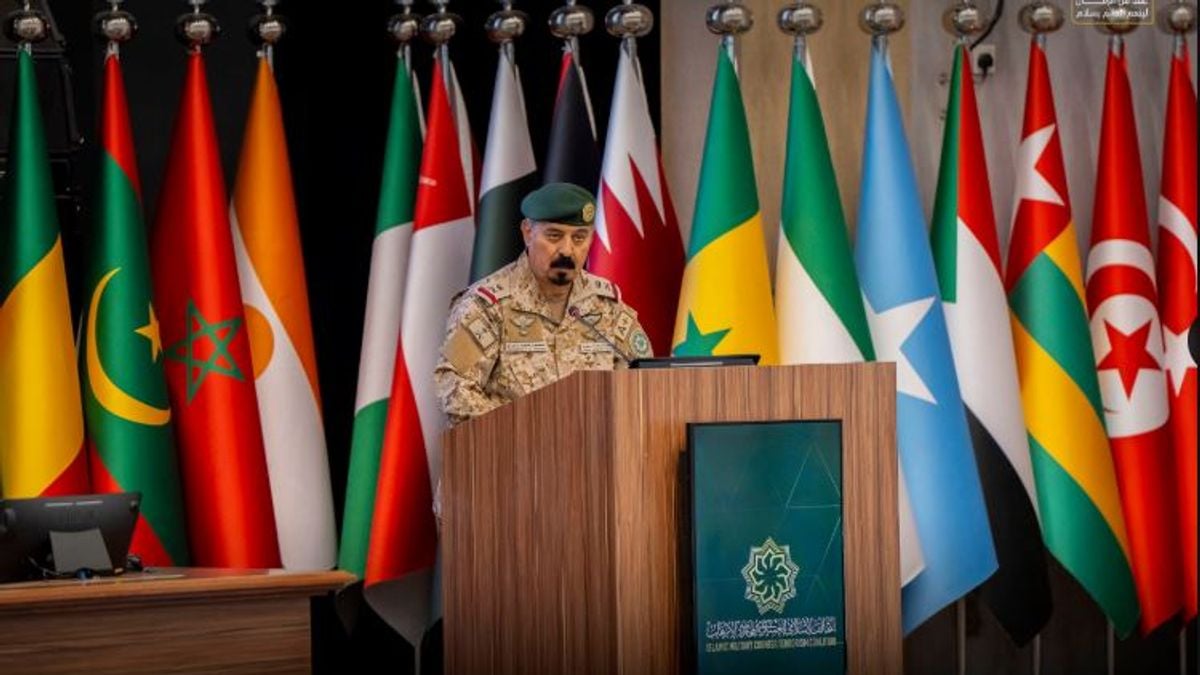
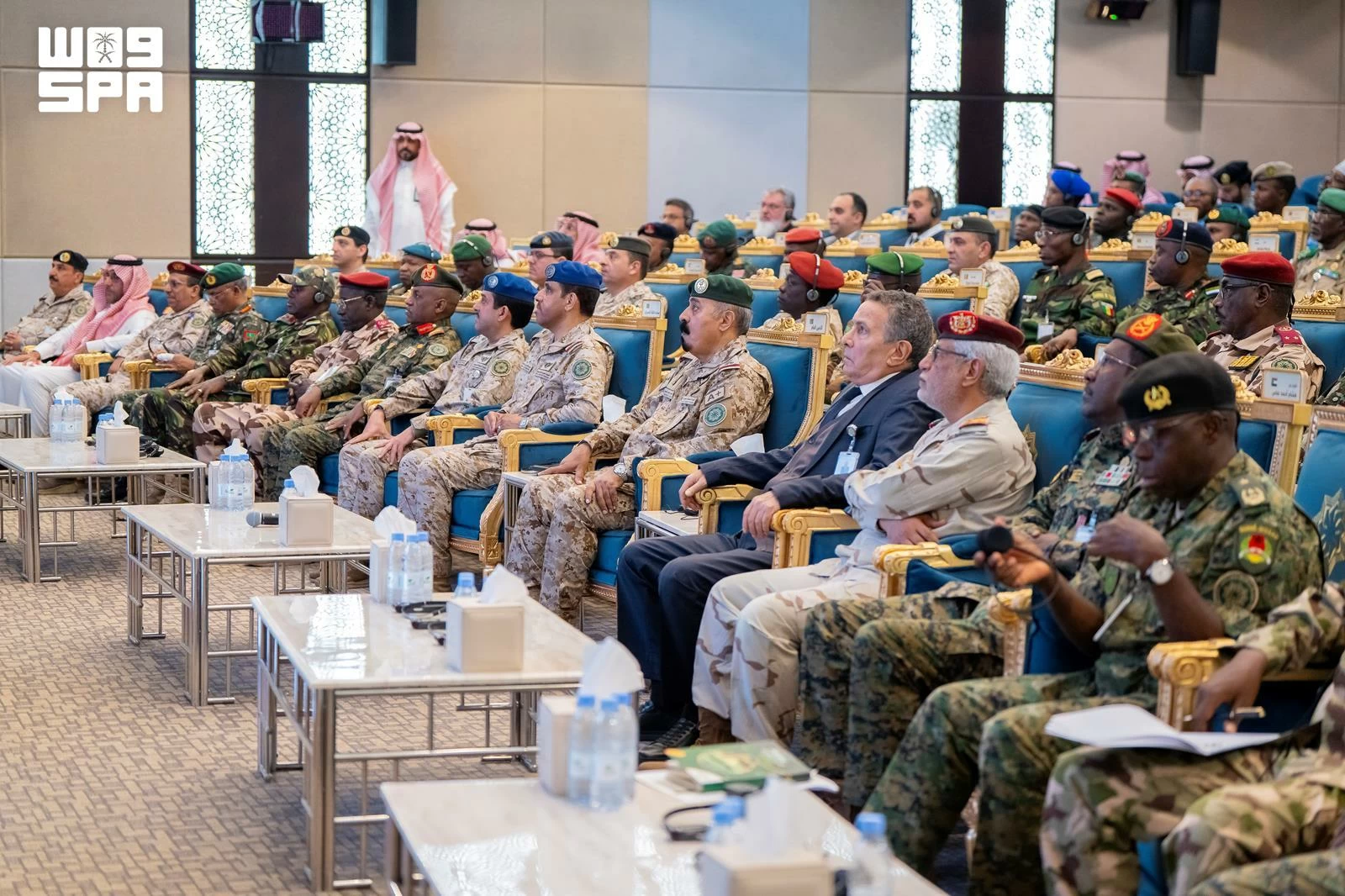
The Islamic Military Alliance to Combat Terrorism launched today the Legal Training Program in the Field of Combating Terrorist Financing (Guide), in cooperation with the United Nations Counter-Terrorism Centre (UNCCT).
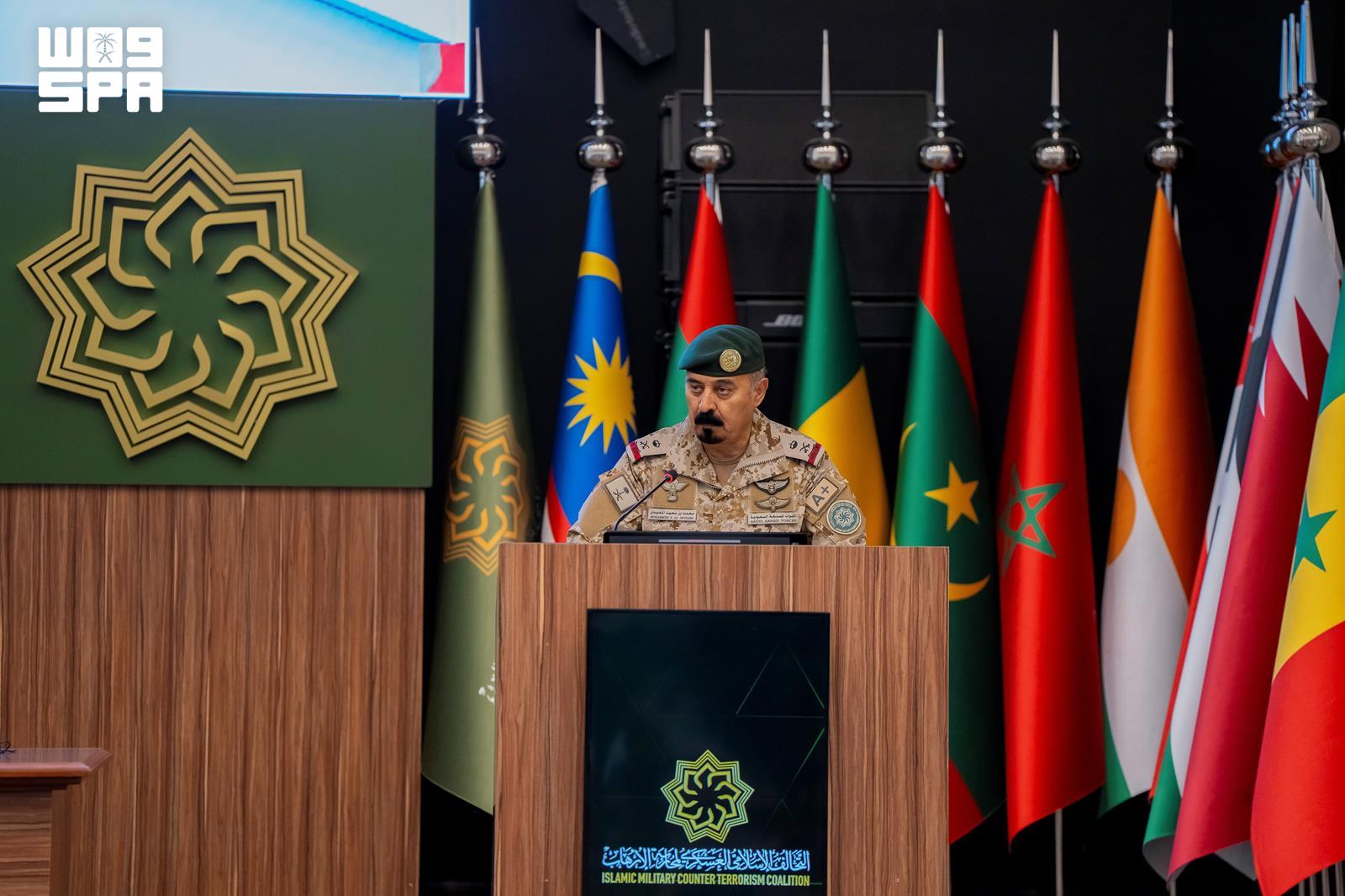
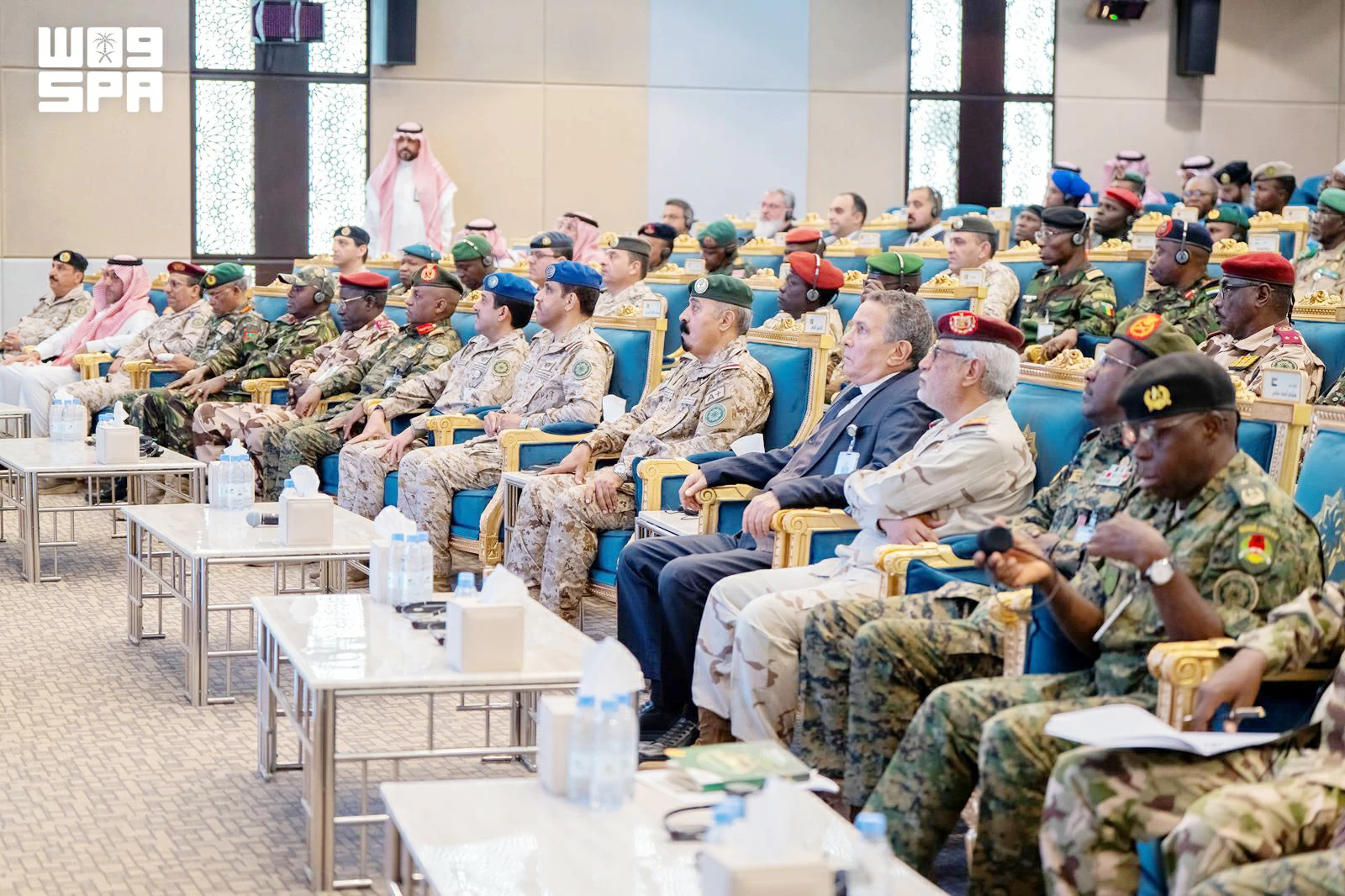
According to a statement by the Islamic Alliance on its official account on platform X, this came in the presence of the Secretary-General of the Islamic Alliance, Major General Pilot Mohammed bin Saeed Al-Mughidi, representatives of member states, and with the participation of 25 trainees from the State of Palestine and the Republic of Chad.
The program, held from July 19 to 23, represents a new step in the strategic partnership between the Alliance and the United Nations to strengthen the international legal framework against terrorist financing by qualifying national cadres and developing their capabilities according to the latest international standards and practices.
During the opening, Major General Al-Mughidi stressed that building legal capabilities constitutes the first line of defense against terrorist financing crimes, pointing out that developing legislation, raising the efficiency of judicial and security bodies, and enhancing international cooperation are key elements to deprive terrorist organizations of their funding sources and dry up their resources.
He added that the Alliance continues to implement its specialized programs in partnership with international organizations and member states, based on its vision aimed at unifying international efforts to combat terrorism, building national capacities, and enhancing the exchange of expertise and knowledge, in line with evolving security challenges and raising the readiness of national institutions to deal with crimes related to terrorist financing efficiently and effectively.
The program aims to develop the legal, institutional, and operational capabilities of workers in law enforcement agencies, financial investigation units, public prosecutions, and relevant authorities, enhancing their ability to detect, investigate, and prosecute terrorist financing crimes in accordance with international obligations and best practices.
The program also focuses on developing national legal frameworks, enhancing the implementation of relevant international conventions and Security Council resolutions, and the recommendations of the Financial Action Task Force (FATF), in addition to supporting international cooperation mechanisms, including mutual legal assistance, extradition of wanted persons, joint investigations, and information exchange.
Show the tweet on platform X
Discuss the news with artificial intelligence
Original source: Ajel.sa


Comments (0)
Be the first to comment.